

 Global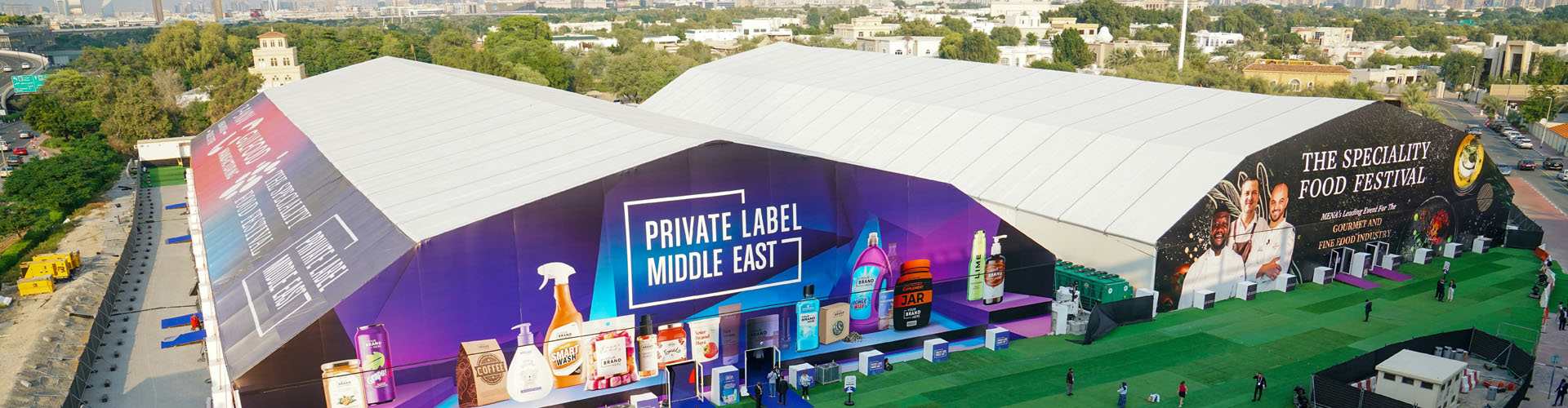
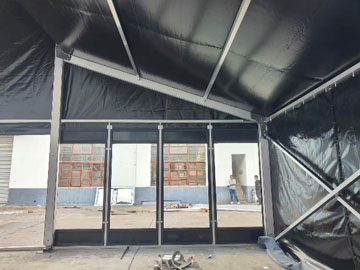
Now let's take a look at the live photos:
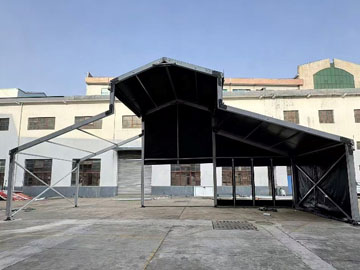
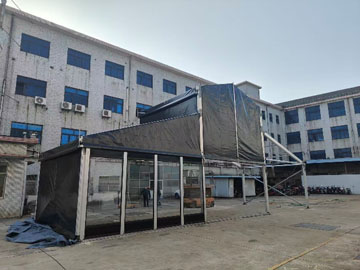
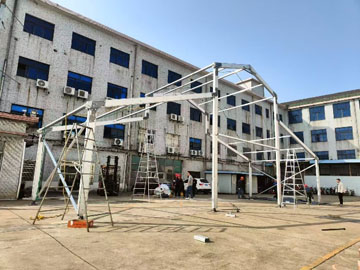
An atrium marquee is a temporary or semi-permanent covering structure designed for building atriums, open courtyards, or indoor void spaces. It is primarily used to expand usable space, provide shelter from sun and rain, and enhance aesthetic appeal. Below is a detailed overview of its features, applications, and advantages.
I. Key Features
1. Excellent Light Transmission
The roof is often made of high-strength PVC tarpaulin or polycarbonate (PC) panels, allowing ample natural light and reducing the need for artificial lighting.
2. Customizable Design
Tailored to fit the shape of the atrium (square, round, polygonal, etc.), with spans ranging from 5 to 50 meters to suit various architectural layouts.
3. Quick Installation & Dismantling
Modular components enable fast assembly and disassembly without disrupting existing building functions. >4. Climate Adaptability
Provides wind, rain, and sun protection. Some models include insulation layers for year-round comfort.
5. Aesthetic Integration
Modern designs with transparent or semi-transparent materials blend seamlessly with building styles, enhancing visual openness.
II. Typical Applications
· Hotel/Shopping Mall Atriums
Covering open areas to create all-weather spaces for events (e.g., weddings, exhibitions, cafés).
· Corporate/School Courtyards
Extending indoor areas for meetings, lounges, or sports facilities.
· Heritage Building Protection
Providing non-intrusive shelter for historical courtyards, balancing preservation and utility.
· Temporary Exhibitions/Events
Quickly setting up pop-up venues in museums, art centers, or public spaces.
III. Core Advantages
1. Cost-Effectiveness
Up to 50% lower cost than traditional glass roofs, with minimal regulatory approvals required.
2. Energy Efficiency & Eco-Friendliness
Natural lighting reduces artificial illumination; some fabrics reflect UV rays, lowering cooling costs.
3. Functional Expansion
Transforms underutilized courtyards into functional spaces, increasing site utility and commercial value.
4. Mobility & Adaptability
Non-permanent structures allow easy relocation, ideal for rentals or short-term needs.
IV. Optional Features & Considerations
· Enhanced Configurations
Sidewall systems (glass, mesh), HVAC integration, intelligent shading, lighting systems.
· Safety Compliance
Must meet local wind/snow load standards; larger marquees require drainage and fire safety measures.
· Maintenance Requirements
Regular cleaning of fabric, inspection of steel connections, and reinforcement before extreme weather
V. Comparison with Traditional Fixed Structures
Aspect Atrium Marquee Traditional Glass Roof
Construction Time 1–4 weeks 3–12 months
Cost Low to moderate High
Flexibility Relocatable & expandable Permanent
Lighting Effect Soft, diffused light Strong glare, may need shading
· Commercial: Shopping malls, hotels, restaurants
· Cultural & Educational: Schools, museums, libraries
· Corporate: Office buildings, R&D centers, campuses
· Public Spaces: Community centers, transportation hubs
Atrium marquees offer a "lightweight transformation" solution for modern architectural spaces. When selecting a marquee, collaborate with professional suppliers to ensure structural design, materials, and compliance meet safety and practicality requirements.
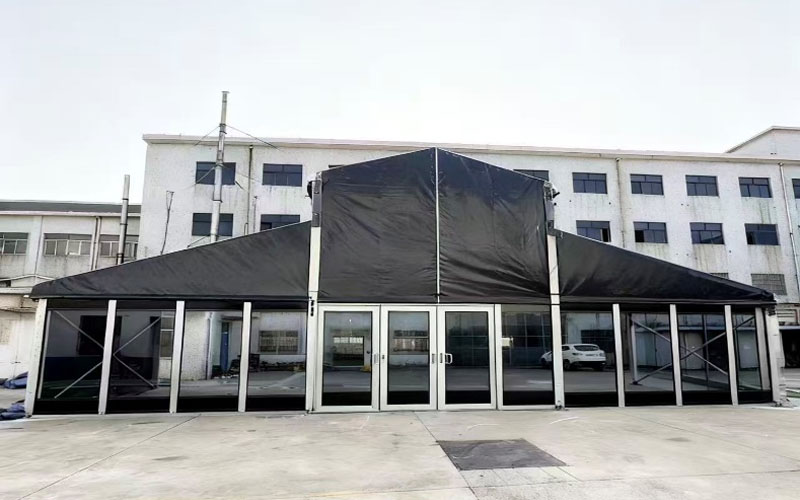
Final rendering of the assembled structure:
If you're interested, feel free to contact us.


