
 Global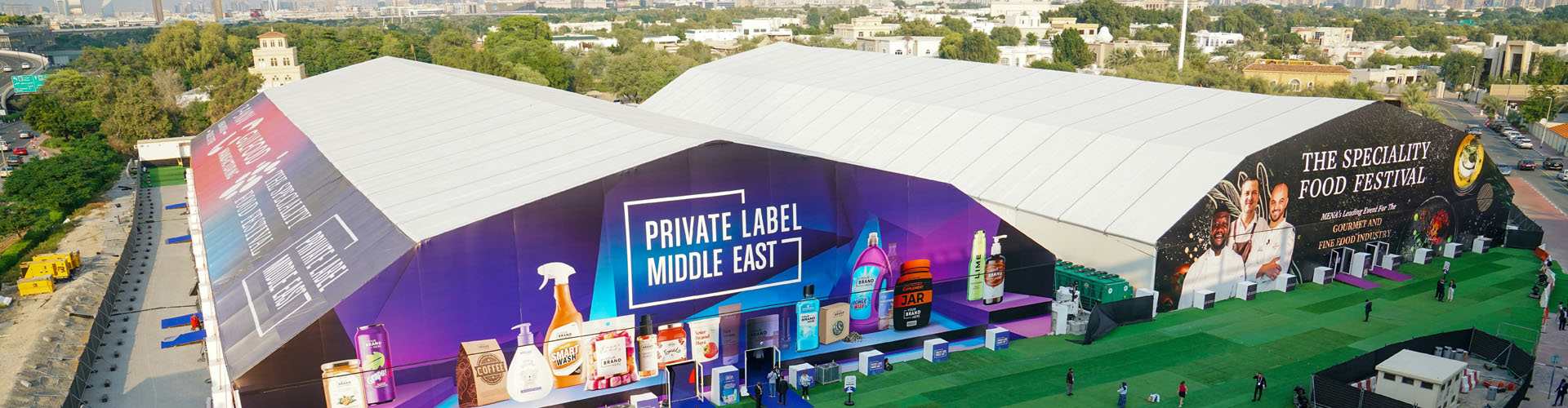
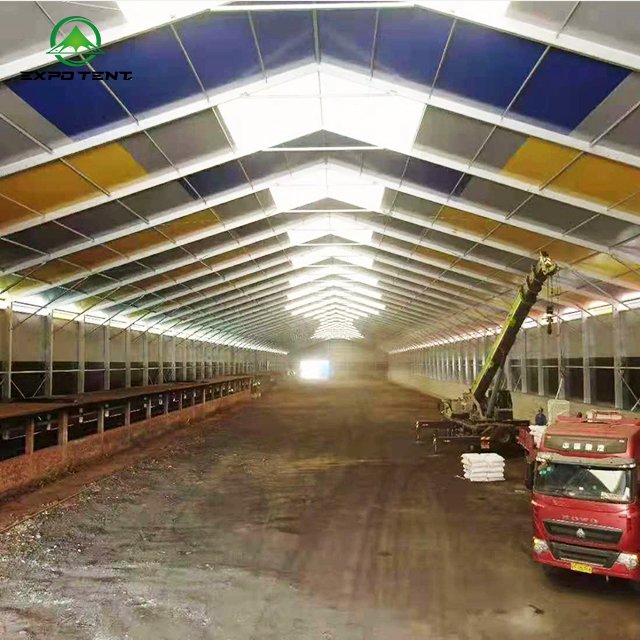
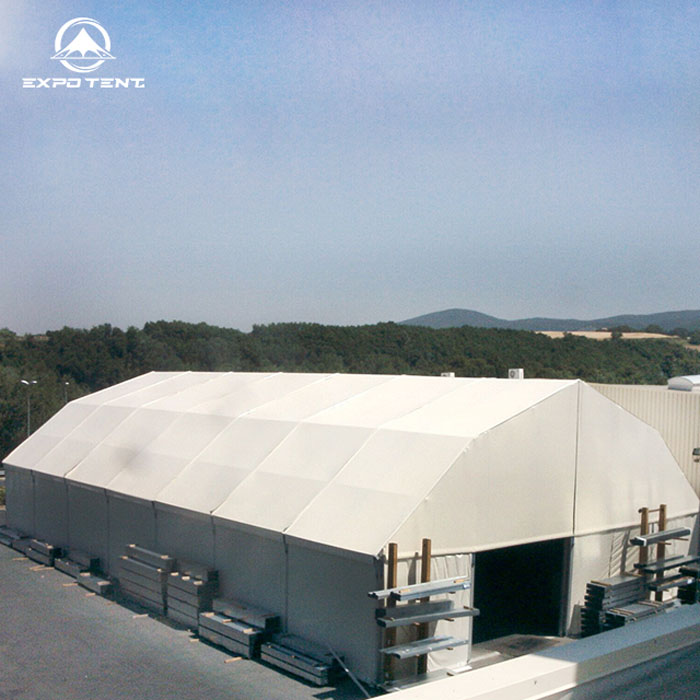
Aluminum tents have emerged as a leading outdoor shelter solution, striking an ideal balance of lightweight portability, robust structural strength, and long-term durability that sets them apart from traditional fabric, steel, and fiberglass tent alternatives. Designed for versatile outdoor use, these tents feature high-quality aluminum alloy frames paired with premium weather-resistant canopy materials, delivering reliable protection across diverse environmental conditions and application scenarios. Unlike bulky, easily corrodible traditional tents, aluminum tent frames boast natural anti-rust and anti-corrosion properties, maintaining stable performance after long-term outdoor exposure. Their modular structural design enables quick assembly, disassembly, and transportation, making them suitable for casual outdoor activities, large-scale commercial events, temporary outdoor workspaces, and emergency shelter needs. Combining practical functionality with excellent adaptability, aluminum tents have become a mainstream choice for modern outdoor shelter, catering to the growing demand for flexible, durable, and reusable outdoor space solutions.
The core competitiveness of aluminum tents stems from the superior physical properties of aluminum alloy frame materials, which lay a solid foundation for their outstanding overall performance. Aluminum alloy materials feature a unique high strength-to-weight ratio, which is the key advantage that distinguishes them from steel and fiberglass frames. Steel frames are sturdy but excessively heavy, increasing transportation and layout burdens, while fiberglass frames are lightweight yet prone to cracking and deformation under external force. In contrast, aluminum alloy frames maintain remarkable structural toughness and bearing capacity while keeping the overall tent weight controllable. This lightweight characteristic greatly reduces manual carrying pressure, allowing users to complete tent transportation and layout without professional mechanical equipment. Beyond weight advantages, aluminum alloy naturally forms a dense oxide film on its surface, which effectively isolates air, moisture, and corrosive substances in the external environment. This inherent anti-corrosion and anti-rust ability enables the frame to avoid rusting, oxidation, and structural loosening even after long-term exposure to humid, rainy, or saline outdoor environments. The material also exhibits excellent temperature adaptability, without brittle deformation in low-temperature winter environments or softening and structural instability in high-temperature summer conditions, ensuring consistent structural reliability throughout all seasons.
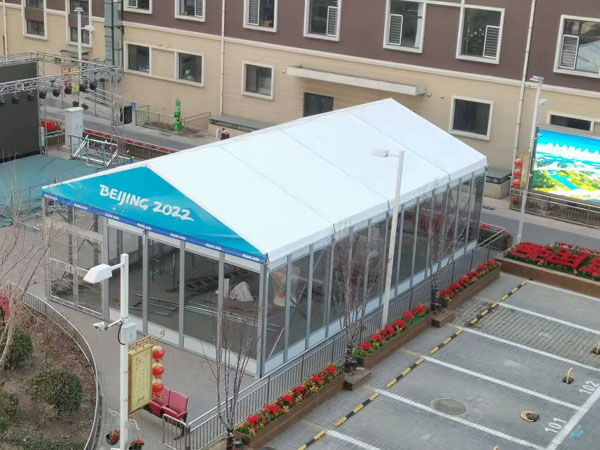
The modular structural design of aluminum tents further amplifies their practicality and flexibility in diverse usage scenarios. Every component of the aluminum tent frame is standardized and modularized, including support legs, cross beams, connecting joints, and fixed brackets, all of which adopt unified docking structures. This standardized design eliminates complicated matching processes, allowing operators to quickly assemble or disassemble the tent through simple splicing and locking operations. The assembly process requires no professional welding, drilling, or adhesive fixing, effectively shortening the overall layout time and reducing technical threshold for users. Meanwhile, the modular structure supports flexible combination and size adjustment, enabling the tent to be expanded or reduced according to actual space demands. Users can splice multiple single tent units to form large-area continuous shelter spaces for crowded events, or split the units into small independent tents for scattered outdoor activities. The connecting parts of the frame are designed with anti-loosening structures, which can effectively resist slight shaking caused by external wind force or human activity, ensuring the overall stability of the spliced structure. This flexible and scalable design makes aluminum tents adaptable to space requirements ranging from small personal outdoor rest areas to large public activity venues.
Weather resistance is a critical functional advantage of aluminum tents, enabling them to provide stable and reliable shelter in complex and changeable outdoor weather. The tent’s dual protection system composed of aluminum frame and high-performance canopy material achieves comprehensive defense against wind, rain, strong sunlight, and dust. In terms of wind resistance, the aluminum frame adopts a scientific truss structural layout, which disperses external wind pressure evenly through triangular mechanical structures, avoiding local stress concentration and structural collapse. The lightweight frame design also reduces wind lifting force, while matched fixed accessories enhance ground grip stability, allowing the tent to withstand continuous natural wind interference in open outdoor spaces. For rain protection, the canopy material adopts integrated waterproof coating treatment with tightly sealed stitching gaps, which can effectively block rainwater penetration and prevent water accumulation inside the tent. The tent’s curved roof design optimizes rainwater drainage routes, enabling rainwater to slide down quickly without forming water pockets that may damage the canopy. In addition, the canopy has excellent UV resistance, which can isolate most harmful ultraviolet rays in strong sunlight, prevent internal space overheating, and protect users from sunburn while avoiding canopy aging and fading caused by long-term sun exposure.
Aluminum tents excel in portability and reusability, making them an economical and environmentally friendly outdoor shelter option. Thanks to the lightweight aluminum frame and detachable modular structure, the entire tent can be disassembled into scattered small components after use, which occupy minimal storage space and are easy to store in conventional warehouses or transport vehicles. Compared with integrated fixed tents that are difficult to move and disposable temporary shelters that can only be used once, aluminum tents support repeated disassembly, transportation, and assembly, realizing long-term cyclic use. The durable aluminum frame has a long service life, with no obvious structural damage or performance attenuation after hundreds of assembly and disassembly cycles. The canopy material also has good wear resistance and aging resistance, which can maintain intact appearance and functional performance after multiple uses and cleanings. This reusable characteristic not only reduces the frequent replacement cost of outdoor shelter equipment but also avoids a large amount of waste generated by disposable products, conforming to the environmental protection concept of sustainable outdoor activities. Whether for short-term temporary use or long-term repeated deployment, aluminum tents can maintain stable use value and bring long-term practical benefits to users.
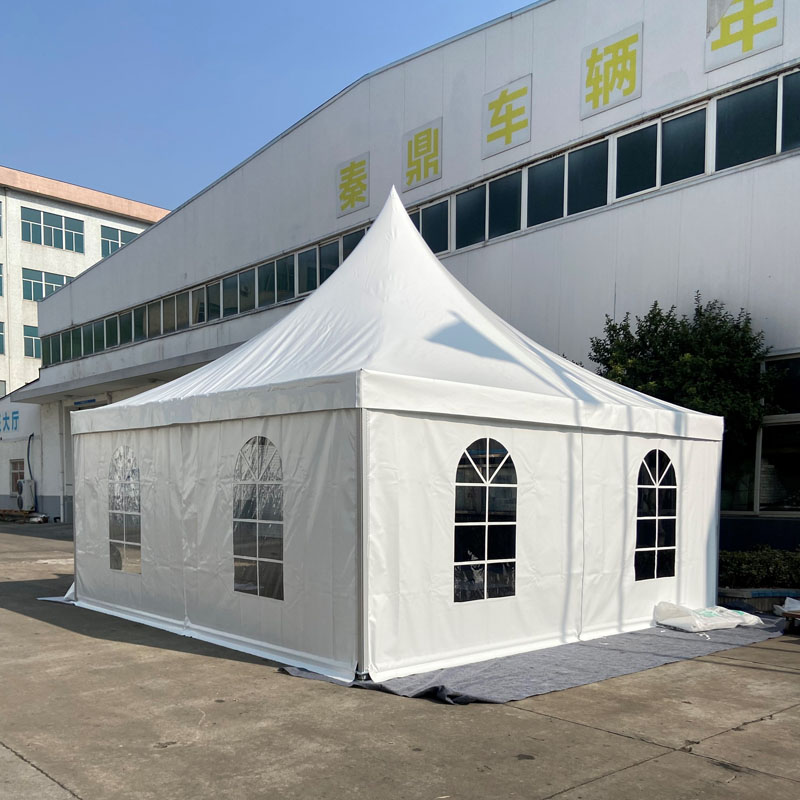
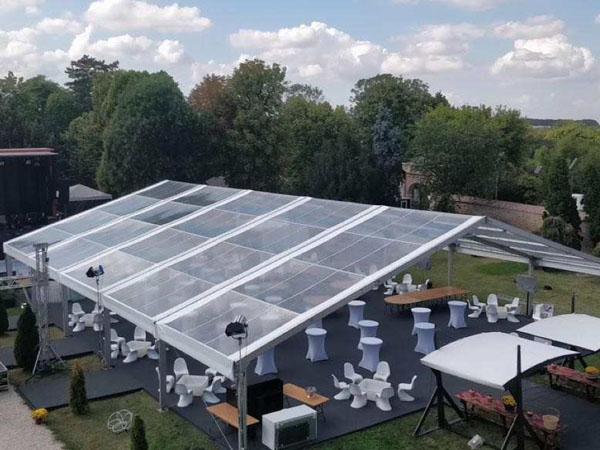
The interior and exterior expandable functions of aluminum tents greatly enrich their application scenarios and improve outdoor space comfort. The basic shelter function can be upgraded through a variety of optional matching accessories and structural transformations to meet diversified usage needs. In terms of space optimization, users can install different types of side wall panels according to environmental requirements, including transparent light-transmitting panels that retain natural light and opaque privacy panels that block external sight and wind. Adjustable ventilation windows can be added to the side walls to realize air circulation inside the tent, effectively solving the problem of stuffiness in closed outdoor spaces and maintaining fresh indoor air. For functional expansion, the tent frame can be matched with professional lighting, sound equipment, and display brackets to build complete outdoor activity spaces suitable for cultural performances and promotional exhibitions. In cold weather, thermal insulation accessories can be installed inside the tent to block external low temperature and improve indoor warmth; in hot weather, sunshade and cooling accessories can be added to optimize the internal temperature environment. Meanwhile, the tent can be equipped with non-slip ground facilities to flatten uneven outdoor ground, providing a safe and flat activity space for users.
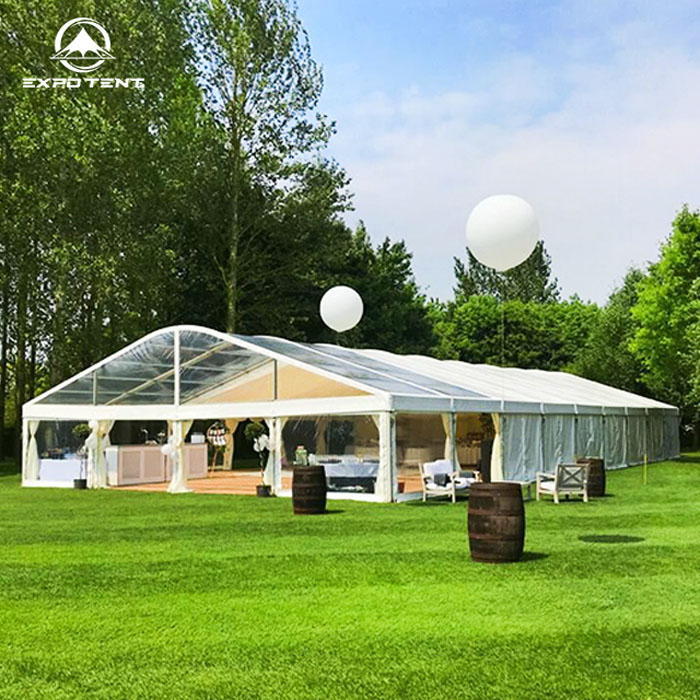
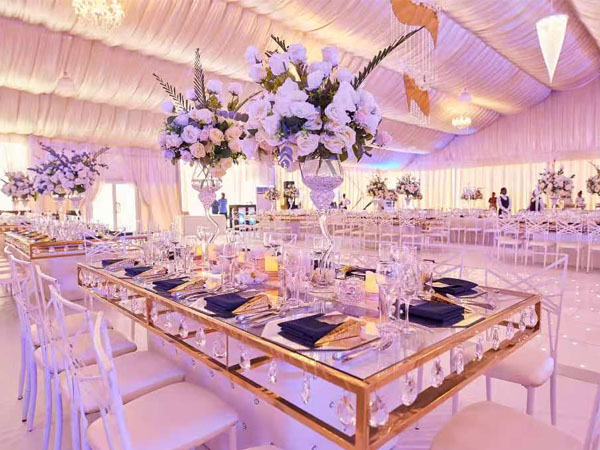
Aluminum tents show extremely high adaptability in commercial event scenarios and have become a common facility for modern outdoor commercial activities. Various outdoor commercial scenes such as outdoor exhibitions, brand promotion activities, catering banquets, and market fairs have high requirements for temporary space flexibility and on-site presentation effects, and aluminum tents can fully meet these demands. Large-area spliced aluminum tents can build spacious and neat outdoor exhibition halls, providing standardized display spaces for exhibitors. The smooth and tidy tent appearance can be matched with personalized exterior decoration, posters, and color layout to create a high-end and unified event atmosphere, enhancing the overall image of commercial activities. The quick assembly feature of the tents can adapt to the short construction cycle of temporary commercial events, realizing rapid site layout before activities and efficient site cleaning after activities. In outdoor catering and banquet scenarios, the closed and clean tent space can isolate external dust, wind, and sudden rainwater, providing a comfortable and safe dining environment for guests. The stable structural performance also ensures that various catering equipment and dining facilities can be placed safely inside the tent, fully meeting the functional needs of commercial catering services.
In public welfare and emergency scenarios, aluminum tents play an irreplaceable role as efficient temporary shelter facilities. In sudden natural disasters and public emergency situations, rapid deployment of safe and reliable temporary shelter spaces is crucial for resettlement of affected personnel and development of rescue work. Aluminum tents can be transported to disaster-stricken areas quickly due to their lightweight and easy-to-carry features, and professional operators can complete rapid assembly in a short time to provide temporary rest, refuge, and material storage spaces. The stable structure and good weather resistance enable the tents to resist complex disaster weather, providing safe temporary living and working environments for rescue workers and affected people. In addition, aluminum tents can be used as temporary medical stations, epidemic prevention inspection points, and command and dispatch centers in public emergency work. The expandable internal space can reasonably place medical equipment, rescue materials, and office supplies, and the good ventilation and lighting conditions inside the tent also meet the basic working environment requirements of public service work. Their reusable performance also supports long-term standby and repeated emergency deployment, improving the utilization rate of public emergency equipment.
Outdoor sports and leisure scenarios are another important application field of aluminum tents, which bring convenient and comfortable experience to outdoor enthusiasts and sports event organizers. For personal and team outdoor leisure activities such as camping, hiking, and picnic, small and medium-sized aluminum tents are easy to carry and build, providing users with temporary rest, sunshade, and rainproof spaces in wild outdoor environments. The stable frame structure can resist slight outdoor wind and rain, ensuring the safety of personnel and stored items inside the tent. For large-scale outdoor sports events such as outdoor competitions, sports training, and fitness activities, large aluminum tents can be used as player rest areas, referee workstations, equipment storage areas, and audience temporary viewing areas. The tents can isolate strong sunlight and sudden rainfall, ensuring the smooth progress of sports events without being affected by weather changes. Meanwhile, the breathable and comfortable internal environment of the tents can relieve physical fatigue of participants and staff during long-term outdoor activities. The wear-resistant and durable material performance also adapts to frequent outdoor sports scene switching and long-term open-air use, maintaining stable use effect in various wild and open-air environments.
The maintenance and upkeep of aluminum tents is simple and convenient, which greatly reduces the daily use cost and threshold for users. Different from steel tents that require regular rust removal and paint maintenance and fabric tents that are easy to mildew and damage, aluminum tents have low daily maintenance requirements. The aluminum alloy frame’s natural anti-corrosion and anti-rust properties mean users only need to simply wipe the frame surface with clean water or neutral cleaning agents after use to remove surface dust and stains, without special anti-rust and anti-oxidation treatment. The smooth surface of the aluminum frame is not easy to adhere to dirt and stains, and will not breed mold and bacteria in humid environments. For the canopy part, regular cleaning of surface dust and residual stains can maintain its waterproof and UV-resistant performance. If the canopy is partially stained, it can be cleaned with conventional soft cleaning tools without causing damage to the coating. In terms of storage, disassembled aluminum frame components and folded canopies only need to be placed in dry and ventilated environments to avoid long-term damp stacking. No complicated maintenance equipment and professional technology are required in the whole process, and ordinary users can complete daily maintenance independently. Simple maintenance operations effectively extend the overall service life of aluminum tents and ensure stable performance in each use.
With the continuous upgrading of outdoor activity forms and space use demands, aluminum tent technology and design are constantly optimized to adapt to diversified modern use needs. Modern aluminum tent manufacturing processes continue to improve, and frame precision processing technology makes the splicing of various components more precise and compact, further improving the overall structural stability and assembly efficiency. The optimization of alloy material formulas enhances the toughness and pressure resistance of the frame, enabling the tent to adapt to more extreme outdoor environmental conditions. Canopy materials are also continuously upgraded, with new composite materials integrating higher waterproof, UV-resistant, flame-retardant, and wear-resistant functions, improving the comprehensive safety performance of the tent. In terms of design, humanized optimization is carried out continuously, including more ergonomic connecting structures that reduce assembly labor intensity, adjustable support legs that adapt to uneven ground, and silent anti-wind structures that reduce wind vibration noise. Meanwhile, personalized design solutions are increasingly rich, which can meet the differentiated needs of different scenarios in terms of space size, light transmittance, privacy, and supporting functions. The continuous technological innovation and design optimization make aluminum tents more adaptable to modern outdoor use scenarios and maintain strong market vitality.
As a multifunctional, durable, and flexible outdoor shelter facility, aluminum tents have broken through the limitations of traditional outdoor tents and become an indispensable part of modern outdoor space construction. Their excellent material performance, flexible modular structure, comprehensive weather resistance, and wide scenario adaptability enable them to cover commercial activities, public emergency services, outdoor sports leisure, and many other fields. Compared with traditional fixed buildings and disposable temporary facilities, aluminum tents have obvious advantages in flexibility, economy, environmental protection, and practicability, which can efficiently solve various temporary space use demands. With the continuous development of outdoor economy and the increasing diversification of public outdoor activity forms, the market demand for high-performance aluminum tents will continue to grow. Relying on continuous technological iteration and design optimization, aluminum tents will further expand their application boundaries, provide more high-quality solutions for modern outdoor space construction, and become a core choice for temporary outdoor shelter in various fields.
Expo Tent is a marquee manufacturer from china, marquee tents have become indispensable temporary shelter solutions for various outdoor activities, featuring diverse types, flexible customization, and outstanding practical advantages. Fully customizable to meet personalized demands, these tents support adjustable sizes, diverse color schemes, printed brand logos, and matched functional accessories like transparent windows, insulated linings, and waterproof sidewalls, perfectly adapting to weddings, trade shows, sports events, and corporate gatherings. Beyond flexible design, they boast remarkable strengths: premium waterproof, UV-resistant and flame-retardant materials ensure stable performance in changing weather, while lightweight aluminum frames enable quick assembly, disassembly and convenient transportation. With spacious unobstructed interior, excellent durability and cost-effectiveness, marquee tent delivers reliable, flexible and economical temporary space solutions for both commercial and personal outdoor scenarios.