

 Global
Wedding tents have evolved into an indispensable core element of modern outdoor wedding celebrations, blending functional practicality with romantic aesthetic expression to redefine the possibilities of open-air nuptial events. Unlike fixed indoor wedding venues, wedding tents offer unparalleled flexibility, allowing couples to host their dream weddings in diverse natural settings including lush gardens, quiet lawns, coastal beaches, and open pastoral lands. They serve as a perfect transitional space that connects the freedom of outdoor environments with the warmth and ritual sense of indoor banquets, effectively shielding the wedding ceremony and reception from unpredictable weather disturbances such as intense sunlight, sudden rainfall, and gentle wind. Beyond basic weather protection, these customizable spatial structures create an exclusive, intimate atmosphere for wedding rituals, accommodating varying guest scales and personalized wedding themes. With diverse styles, flexible layouts, and rich decorative compatibility, wedding tents have become the preferred choice for contemporary couples pursuing unique, natural, and customized wedding experiences.

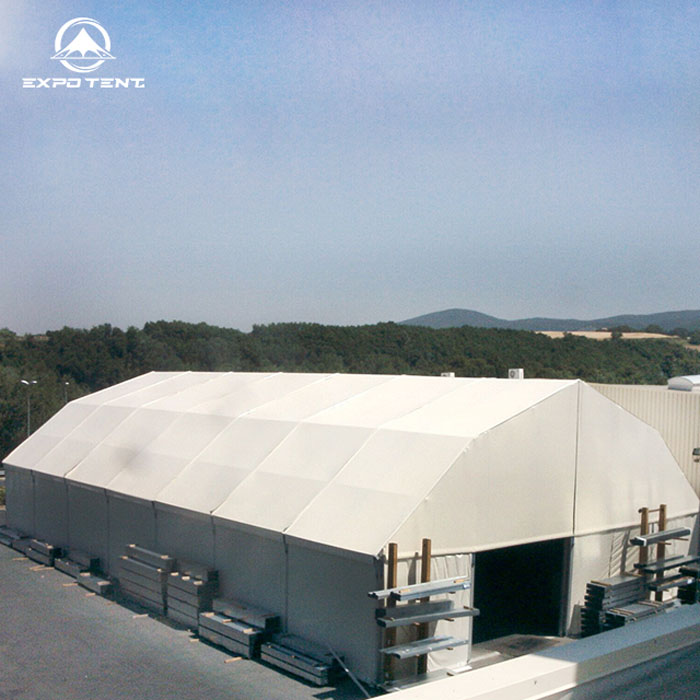
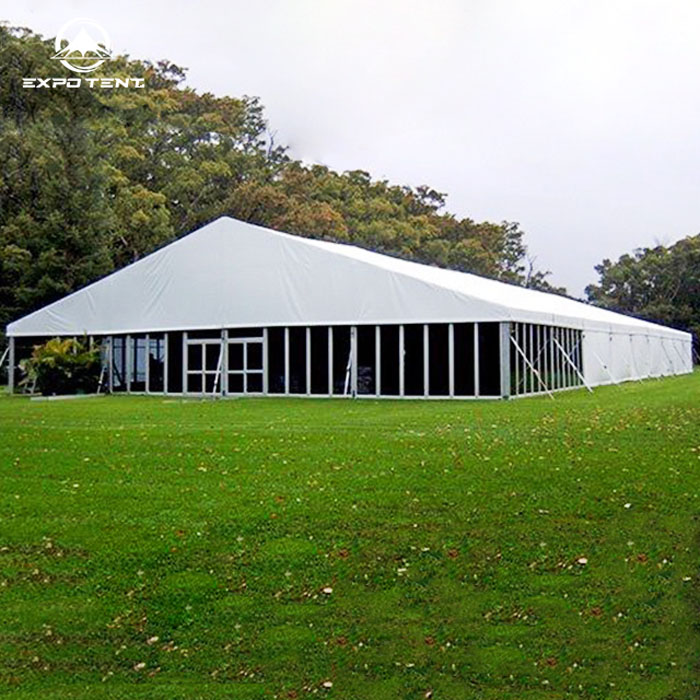
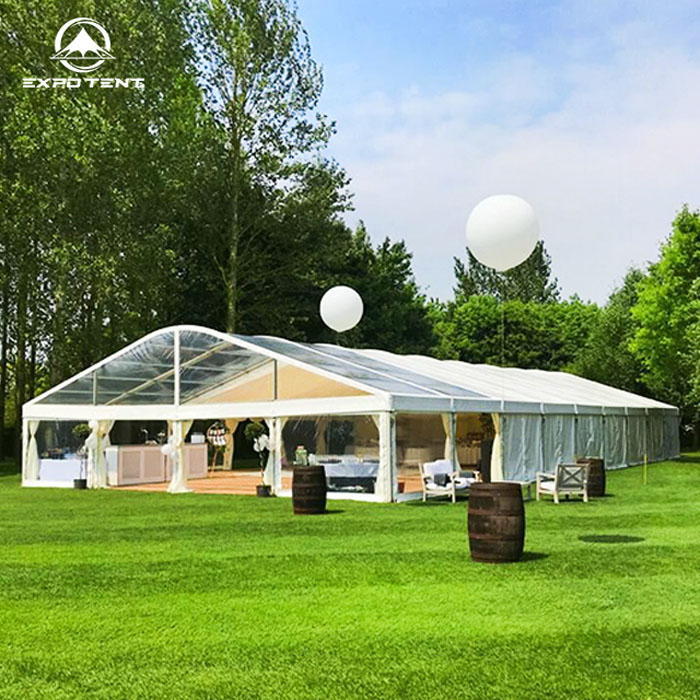

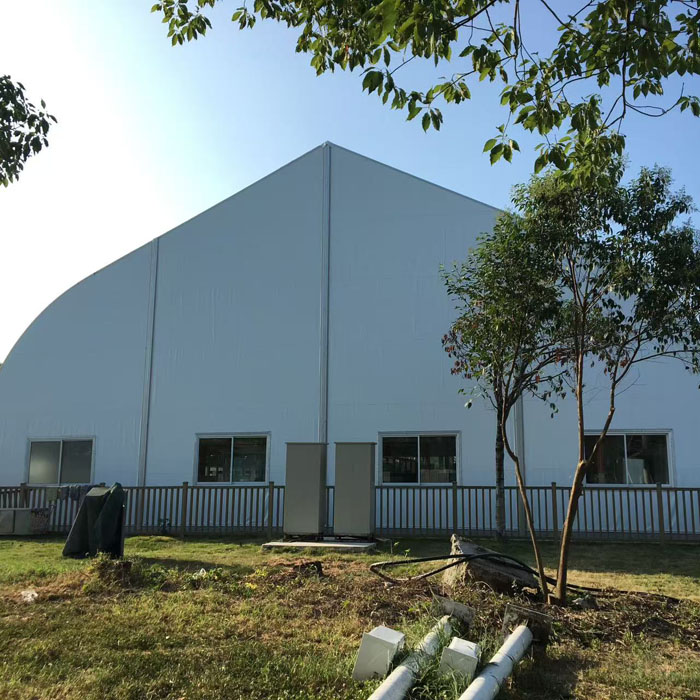
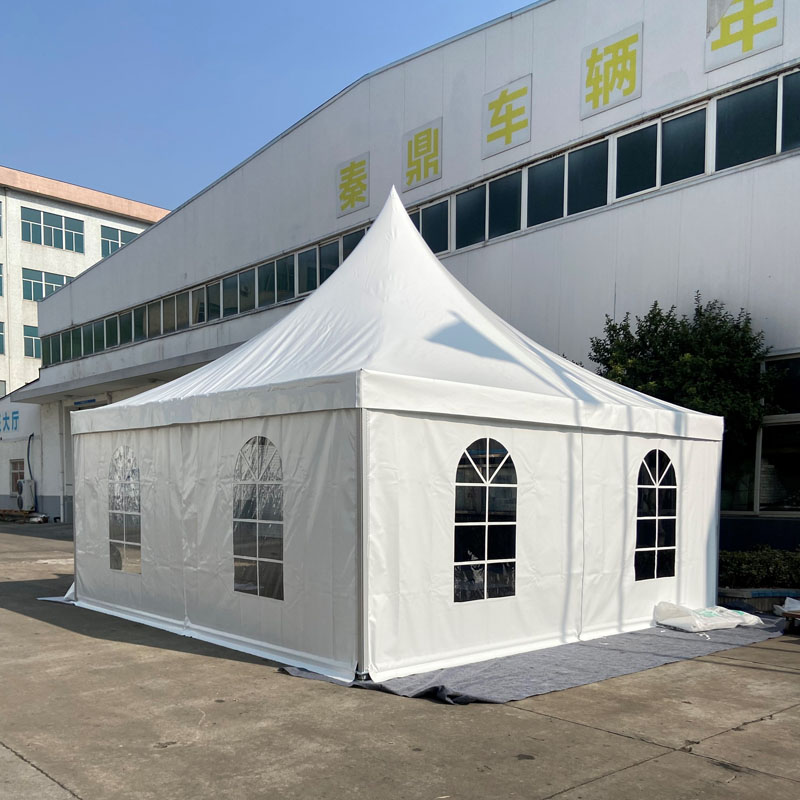
The diverse structural styles of wedding tents lay a solid foundation for adapting to different wedding scales and aesthetic preferences, with each type boasting unique spatial characteristics and stylistic charm. Traditional pole tents remain a timeless classic in wedding scenarios, featuring elegant peaked tops and soft curved outlines that exude a classic and romantic temperament. Supported by orderly arranged internal poles, these tents create a layered visual effect, and their soft silhouette blends seamlessly with natural outdoor landscapes, making them ideal for medium-sized romantic garden and lawn weddings. Frame tents, by contrast, adopt a fully integrated metal frame structure without any central supporting poles, delivering a completely unobstructed internal space. This structural advantage allows for arbitrary layout of wedding stages, guest seating areas, dining zones, and performance spaces, perfectly suiting large-scale grand weddings with complex functional partition needs. In recent years, clear-top tents have gained soaring popularity among young couples. Their transparent top panels retain the immersive experience of outdoor weddings, allowing guests to enjoy the blue sky, sunset, and starry sky while staying in a comfortable sheltered space, perfectly interpreting the integration of nature and romance. Additionally, sailcloth tents with soft draped lines and pagoda-style tents with neat symmetrical shapes further enrich the stylistic diversity, meeting the personalized aesthetic demands of casual minimalist, luxury elegant, and exotic themed weddings respectively.
The material selection of wedding tents directly determines their durability, visual texture, and practical performance, with high-quality materials balancing structural stability, aesthetic presentation, and user comfort. The frame parts of mainstream wedding tents are mostly made of lightweight and high-strength aluminum alloy materials, which feature excellent corrosion resistance, oxidation resistance, and pressure resistance. This material can maintain stable structural performance in different seasonal environments, avoiding deformation, rust, or damage during long-term use, while its lightweight property facilitates convenient transportation and quick assembly and disassembly. The tent cover fabric is mainly composed of high-density polyester and premium vinyl materials, which are specially treated to possess excellent waterproof, sun-proof, and wind-resistant properties. The thickened fabric can effectively block ultraviolet rays and isolate rainwater, creating a dry and comfortable internal environment even in light rainy or strong sunlight conditions. Moreover, the surface of the tent fabric is smooth and delicate, with pure and soft color tones that are easy to match with various wedding color schemes. Some high-end tent fabrics also have good light transmittance and soft light performance, which can soften the harsh external light, make the internal light uniform and gentle, and create a warm and romantic wedding atmosphere. The connecting accessories of the tent are made of reinforced metal and high-strength plastic materials, which enhance the overall structural firmness, ensuring that the tent can resist moderate wind pressure and maintain stable and safe operation throughout the wedding event.
The flexible spatial scalability of wedding tents is one of their most prominent advantages, enabling them to fully adapt to wedding events of different sizes and functional needs. Wedding tents support free combination and splicing of multiple single units, realizing arbitrary expansion of indoor space from small intimate gatherings to large-scale grand banquets. For small private weddings with only family and close friends, small-sized independent tents can create a warm and intimate ritual space, avoiding the empty and scattered sense of large venues. For medium-sized weddings with hundreds of guests, moderately expanded tent spaces can reasonably divide the ceremony area, guest seating area, buffet area, and rest area to ensure orderly and smooth on-site flow. For large-scale grand weddings, multi-unit spliced super-large tents can accommodate hundreds of guests, while reserving sufficient space for stage performances, wedding photography, and interactive activities. In addition to horizontal space expansion, wedding tents also have adjustable vertical height designs. Reasonable ceiling height can accommodate large-scale suspended decorations such as flower arches, chandeliers, and gauze curtains, avoiding the cramped and depressed feeling of low spaces. The flexible spatial design also allows on-site planners to adjust the internal layout according to personalized wedding processes and activity links, realizing exclusive space customization for each wedding.
Wedding tents excel in creating exclusive romantic atmospheres, with their simple and versatile structural features providing unlimited possibilities for wedding decoration and theme creation. The pure and elegant appearance of standard wedding tents is like a blank canvas, which can be freely matched with various decorative elements to shape different wedding styles. For fresh and natural garden-style weddings, the tent interior can be decorated with a large number of green plants, fresh flower clusters, and vine drapes, with floral ribbons winding along the tent frame and green leaves embellishing the ceiling, perfectly integrating the vitality of nature with the warm wedding atmosphere. For luxurious and elegant light luxury weddings, delicate crystal chandeliers, metal decorative lines, and white gauze drapes can be used. The soft light reflected by the tent’s smooth fabric cooperates with the twinkling lights to create a gorgeous and romantic high-end texture. For minimalist and ins-style weddings, simple color matching, streamlined decorative structures, and soft ambient lights can be adopted, making the whole space clean, advanced, and warm. Moreover, the closed and independent space of the tent can effectively gather light and sound effects, making the wedding stage lighting, audio, and projection effects more outstanding. Whether it is soft warm light for daytime weddings or brilliant starry light effects for evening weddings, the tent space can perfectly present the preset thematic atmosphere, making the wedding scene more layered and ceremonial.
Weather adaptability is a core practical function of wedding tents, solving the biggest pain point of outdoor weddings affected by uncertain weather changes. Outdoor wedding events are easily disturbed by sudden bad weather, which may interrupt the wedding process and even ruin the carefully arranged wedding layout, while wedding tents provide reliable all-weather protection. In hot summer weather, the thickened tent cover can effectively block strong ultraviolet rays and isolate external high temperature, reducing the internal temperature of the tent and avoiding discomfort such as sunburn and stuffiness for guests. The breathable fabric design also ensures air circulation inside the tent, maintaining a fresh and comfortable environment. In rainy weather, the fully sealed waterproof structure of the tent can completely block rainwater penetration, and the reasonable edge diversion design can quickly drain rainwater to avoid water accumulation around the venue, ensuring that the indoor wedding layout, floral decorations, and dining facilities remain intact. In windy weather, the reinforced frame structure and fixed ground accessories can effectively resist moderate wind pressure, preventing the tent from shaking or deforming and ensuring the safety and stability of the on-site environment. In cool autumn and winter seasons, the tent can be matched with thermal insulation auxiliary facilities to block cold wind and lock internal temperature, creating a warm and comfortable celebration space for guests, realizing the stable holding of outdoor weddings in all seasons.
The assembly and layout characteristics of wedding tents make them highly adaptable to different venue environments, breaking the geographical restrictions of traditional wedding venues. Unlike fixed indoor wedding halls that are limited by building structure and spatial pattern, wedding tents can be built on flat lawns, gentle slope terraces, coastal beaches, and open pastoral lands, as long as the site meets basic flat and stable conditions. This feature allows couples to choose their favorite natural scenery as the wedding background, realizing the dream of holding weddings in unique and meaningful scenic spots. The overall assembly process of wedding tents is standardized and efficient, with modular components that can be quickly spliced and fixed. The whole construction process will not cause damage to the original venue environment, and the ground can be fully restored after disassembly, which is environmentally friendly and convenient. In terms of on-site layout, the unobstructed internal space of frame tents allows planners to freely design the wedding route, stage position, guest seating arrangement, and functional area division according to the wedding process and aesthetic needs. There is no fixed spatial partition restriction, which greatly improves the flexibility and creativity of wedding scene layout, making each wedding scene unique and personalized.
Wedding tents support diversified functional partition design, which can reasonably plan multiple activity areas to meet the whole-process needs of wedding ceremonies and receptions. A complete wedding event includes multiple links such as ceremony worship, guest seating, dining reception, rest communication, and interactive entertainment, and the flexible space of wedding tents can perfectly realize independent partitioning of each functional area. The core area of the tent is usually set as the wedding ceremony area, with a customized stage and flower arch as the visual focus, reserving enough space for the wedding march, oath-taking, and ring exchange links. The surrounding area is divided into orderly guest seating areas, with reasonable spacing between seats to ensure guest comfort and viewing experience. The independent side area can be arranged as a buffet dining area and bar area, with exquisite dining tables and dessert display racks to provide catering services for guests. In addition, the tent can also reserve exclusive rest areas for new couples, elders, and children, equipped with soft seats and decorative ornaments to provide a relaxed resting space. Some large tents can also be divided into photo interaction areas and performance areas, matching wedding activities such as guest photo punching and on-site performances. The independent and closed functional partitions can avoid mutual interference between different links, ensuring that the whole wedding process is orderly, smooth, and hierarchical, taking into account both ritual sense and guest experience.
The light and shadow presentation effect inside wedding tents greatly enhances the romantic texture and ceremonial sense of wedding scenes, becoming a key factor in improving the wedding grade. The special fabric and structural design of wedding tents have unique light transmission and light gathering characteristics, which can perfectly cooperate with various wedding lighting equipment to create rich and layered light and shadow effects. During daytime weddings, the soft light-transmitting tent cover can filter harsh strong sunlight, convert it into uniform and soft natural light, avoid strong light reflection and shadow overlap, and make the whole space warm and bright. The transparent top tent can also introduce natural light in all directions, making the indoor light natural and transparent, and integrating the outdoor sky and scenery into the wedding scene. For evening weddings, the closed tent space can effectively gather artificial light sources such as warm-colored ambient lights, crystal chandeliers, and starry sky lights. The light shines evenly on the floral decorations, gauze curtains, and dining facilities inside the tent, creating a dreamy and romantic night scene atmosphere. At the same time, the independent space of the tent can avoid the interference of external night light, making the stage lighting and effect lights more concentrated and outstanding. Whether it is soft warm light suitable for fresh weddings or gorgeous dynamic light suitable for luxurious weddings, wedding tents can perfectly present diverse light and shadow aesthetics, enriching the visual layering of the wedding.
Wedding tents have excellent safety and stability performance, fully meeting the safety guarantee needs of large-scale wedding gatherings. The structural design of regular wedding tents follows rigorous mechanical principles, with the aluminum alloy frame forming a stable triangular force-bearing structure through scientific splicing and connection. This structural design can evenly disperse external pressure and wind force, effectively improving the overall stability and load-bearing capacity of the tent. All connecting parts of the tent are equipped with reinforced fixing devices to prevent looseness or falling off during use, eliminating potential safety hazards. The tent fabric adopts flame-retardant and high-temperature-resistant materials, which have good fire resistance and can effectively avoid safety risks caused by accidental open fire. In terms of ground fixation, wedding tents are equipped with professional ground anchors and tensioning accessories, which can firmly fix the tent on different ground surfaces such as lawns, cement floors, and beach surfaces, preventing displacement or shaking caused by external force. In addition, the internal space of the tent is open and smooth, with no sharp structural corners, and the passage layout is reasonable, which is convenient for guest evacuation and on-site emergency response. The reliable safety performance enables wedding tents to safely accommodate crowds of different scales, providing stable and trustworthy safety guarantees for wedding events and allowing new couples and guests to participate in the wedding with peace of mind.
With the continuous upgrading of wedding aesthetics, the personalized customization of wedding tents has become an important trend in modern wedding design, meeting the exclusive aesthetic needs of different couples. Traditional single-style tents can no longer meet the diversified and personalized pursuit of young people for weddings, so customized tent design has become increasingly popular. In terms of appearance color, in addition to the classic pure white and ivory white that symbolize romance, tents can be customized with soft pink, elegant champagne, fresh mint green, and other theme colors according to the wedding tone, matching different wedding styles. In terms of shape design, irregular arc tops, double-layer spliced tops, and asymmetrical structural shapes can be customized to break the limitations of traditional regular tents and create a unique visual sense. In terms of detail matching, the tent’s edge gauze, curtain style, and suspended accessories can be customized in a targeted manner. For vintage-style weddings, retro lace curtains and wooden decorative accessories can be matched; for fairy-tale weddings, layered tulle drapes and floating flower decorations can be added. Meanwhile, the internal space height, functional area size, and lighting matching scheme can also be adjusted according to personalized wedding processes and scene design, realizing one-to-one exclusive customization and making each tent wedding have unique romantic memories.
As a flexible and diversified wedding carrier, wedding tents carry the romantic expectations of new couples and redefine the new trend of modern outdoor weddings. They break the rigid spatial limitations of traditional fixed wedding venues, perfectly combining the freedom and natural beauty of outdoor scenes with the ritual sense and comfort of indoor weddings. With diverse structural styles, reliable practical performance, rich decorative compatibility, and highly personalized customization space, wedding tents can adapt to various venue environments, wedding scales, and thematic styles, meeting the diverse needs of different couples for wedding scenes. Whether it is a small and warm private wedding or a grand and luxurious large-scale wedding, whether it is a fresh natural style, a luxurious elegant style, or a dreamy fairy-tale style, wedding tents can create a unique and exclusive romantic space. In the future, with the continuous innovation of material technology and design concepts, wedding tents will be more diversified, refined, and humanized, continuing to bring more unique and touching romantic experiences to wedding celebrations and becoming an indispensable classic choice for modern outdoor weddings.


