

 Global
Event tents have evolved into indispensable temporary spatial solutions for modern outdoor activities, serving as versatile shelters that balance practical functionality and aesthetic presentation for various gatherings. Unlike traditional fixed architectural structures, these portable enclosures feature flexible modular designs, adaptable layouts, and easy assembly and disassembly, making them suitable for diverse scenarios ranging from small private celebrations to large-scale public exhibitions and cultural festivals. Crafted with high-performance structural frames and weather-resistant covering materials, modern event tents effectively shield participants from harsh sunlight, sudden rainfall, and strong winds, creating comfortable and safe semi-outdoor or fully enclosed activity spaces. Beyond basic protective functions, they also act as flexible venue shaping tools, allowing organizers to customize space size, interior layout, and decorative styles according to event themes and scale. With the growing popularity of outdoor events in recent years, event tents have gradually become a core auxiliary facility in the event industry, continuously optimizing in structural stability, environmental adaptability, and user experience to meet the increasingly diversified demands of modern event planning.

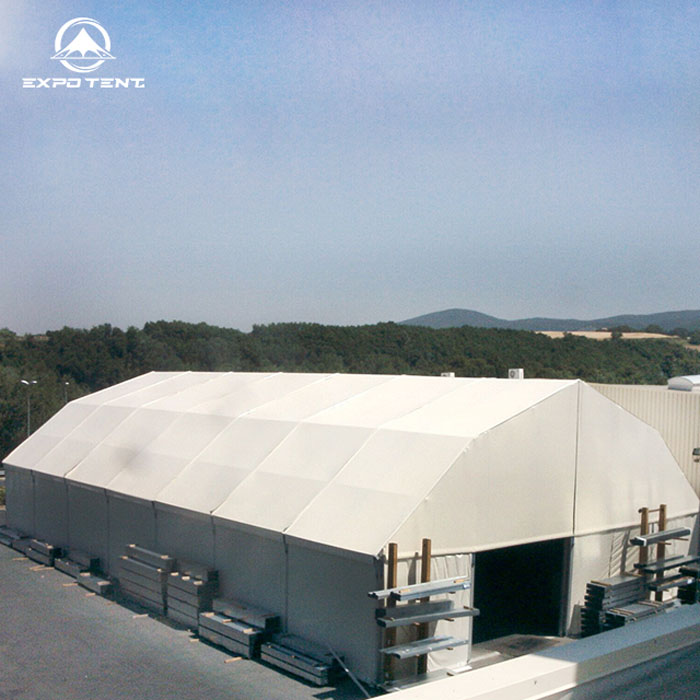
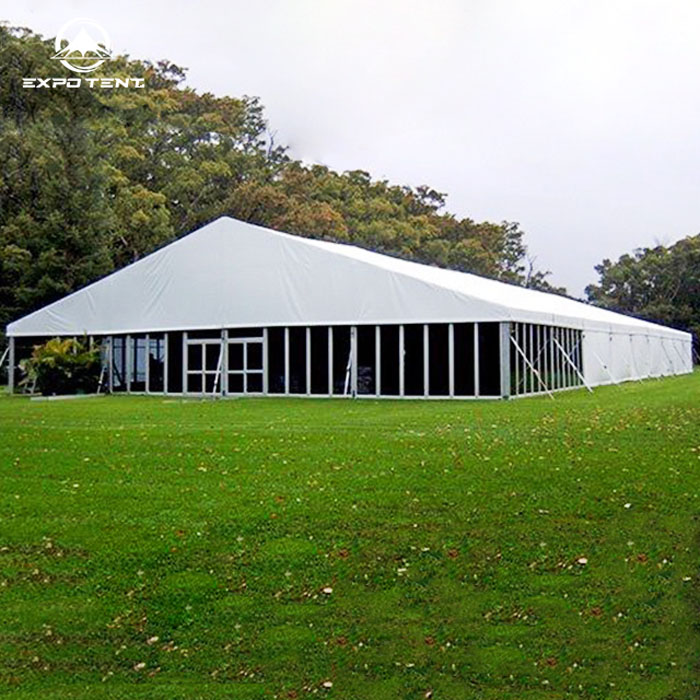
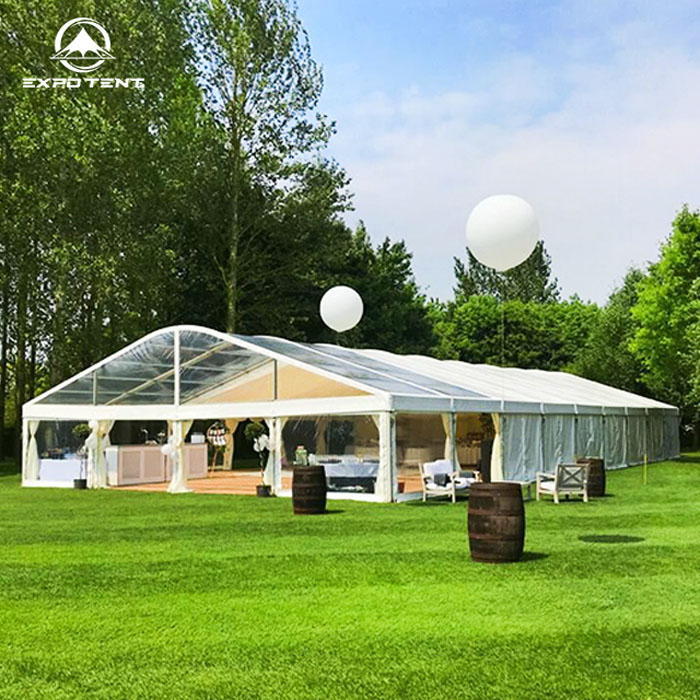

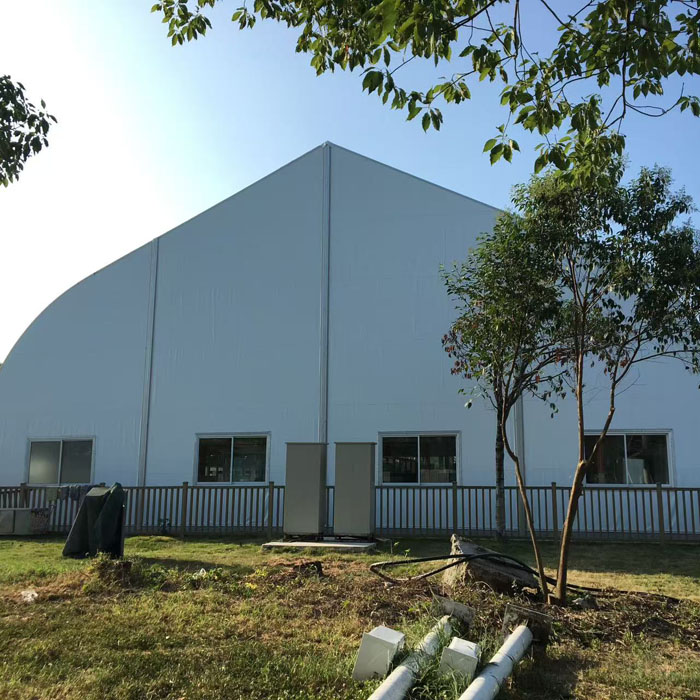
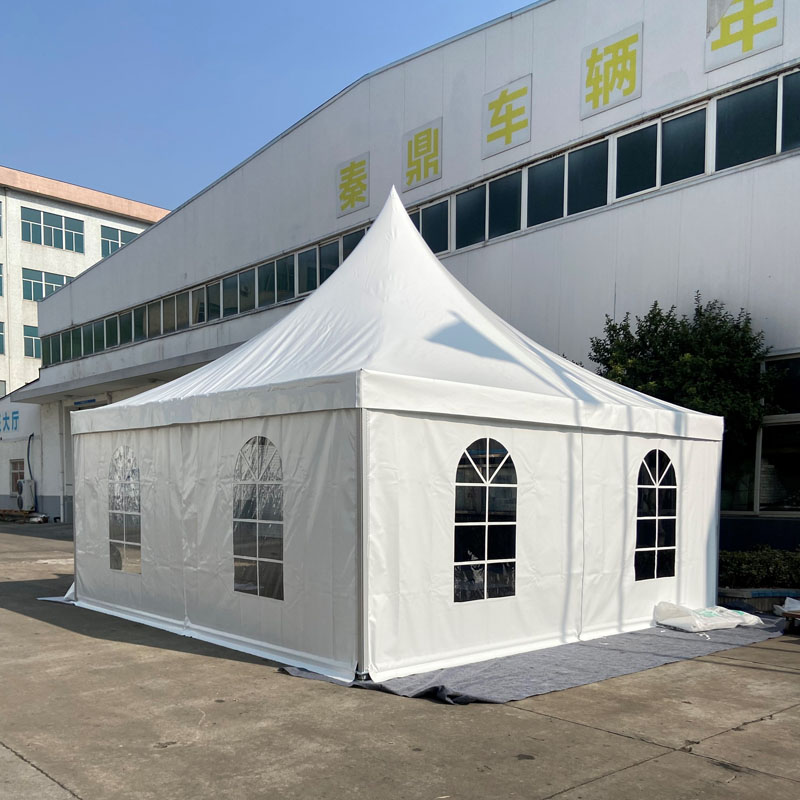
The core value of event tents lies in their exceptional spatial flexibility, which breaks the limitations of fixed indoor venues and rigid outdoor layouts. Traditional event venues often suffer from fixed space sizes, single structural forms, and high usage restrictions, failing to adapt to personalized and large-scale event demands. In contrast, event tents adopt a mature modular splicing design, where basic structural units can be freely combined, expanded, or reduced according to actual activity needs. This flexible combination mode supports the construction of small independent spaces for intimate gatherings and ultra-large continuous venues for thousands of people’s exhibitions and galas. The clear-span structural design adopted by most high-quality event tents eliminates intermediate supporting columns, maximizing the utilization rate of internal space and providing unobstructed viewing and activity areas for audiences and participants. Whether it is arranging neat dining tables for banquets, building exhibition booths for trade shows, or reserving performance stages and interactive areas for cultural events, the internal space of event tents can be freely partitioned and arranged without structural constraints. This unparalleled spatial adjustability enables event organizers to create exclusive venue layouts for different event types, greatly improving the creativity and diversity of outdoor event planning.
Material selection is the fundamental guarantee for the durability and practicality of event tents, directly determining their weather resistance, stability, and service life. Modern high-quality event tents are mainly composed of two core parts: structural frames and covering fabrics, both of which adopt upgraded high-performance materials. The supporting frames are mostly made of lightweight and high-strength alloy materials, which feature low density, strong bearing capacity, and excellent corrosion resistance. This kind of frame material can maintain stable structural performance in long-term outdoor environments, avoiding deformation, rust, or fracture caused by temperature changes, humid air, or wind erosion. Meanwhile, the alloy frame has outstanding toughness, which can buffer and disperse external wind pressure and gravity, ensuring the overall stability of the tent. The outer covering fabrics are professionally processed composite materials with integrated functions of waterproofing, ultraviolet resistance, and tear resistance. The compact fabric structure can effectively block rainwater penetration and prevent moisture accumulation inside the tent. The special surface coating can resist strong solar ultraviolet radiation, avoid fabric aging and fading caused by long-term sun exposure, and protect indoor personnel and equipment from ultraviolet damage. In addition, the fabric has good tensile and tear strength, which can resist accidental scratching and external impact, maintaining the integrity of the tent in complex outdoor environments.
Weather adaptability is a key advantage that makes event tents widely applicable in all seasons and various outdoor environments. Outdoor activities are easily affected by unpredictable weather changes, and sudden rain, intense sunlight, strong wind, or low temperature will seriously interfere with the progress of events and affect the experience of participants. Event tents are professionally designed to cope with diverse weather conditions, forming a stable and comfortable microclimate space inside. In hot summer weather, the thickened and insulated covering fabric can block external heat radiation, reduce the penetration of high temperature, and effectively lower the internal temperature of the tent. The reasonable hollow structural design and detachable side walls can promote air circulation inside and outside the tent, avoid stuffiness, and maintain a fresh and cool indoor environment. In rainy seasons, the tight splicing structure and waterproof fabric can completely isolate rainwater, and the reserved water guide grooves and inclined top design can quickly drain accumulated rainwater on the top, preventing water leakage and water accumulation. In windy weather, the matched ground fixing accessories and stable frame structure can firmly fix the tent on the ground, resisting the impact of moderate and strong winds. In cold seasons, closed side walls and thickened thermal insulation accessories can block cold wind invasion and reduce internal heat loss, providing a warm and enclosed activity space. This all-weather environmental adaptability enables event tents to support normal holding of outdoor events throughout the year.
The convenient assembly and disassembly performance of event tents greatly improves the efficiency of event venue layout and reduces operational costs. Different from fixed buildings that require long-term construction and professional construction teams, modern event tents are designed with simplified assembly logic, adopting standardized modular accessories and quick connection structures. All structural parts are lightweight and standardized, with unified interfaces and simple connection methods, which do not require complex professional tools or high technical thresholds. A small team can complete the assembly of medium and large-sized tents in a short time, including frame splicing, fabric covering, ground fixing, and overall debugging. The disassembly process is equally efficient, following the reverse steps of assembly to quickly split the tent into independent small parts. All disassembled accessories are easy to stack and store, occupying very little storage space, which is convenient for daily storage and repeated use. This efficient assembly and disassembly mode greatly shortens the venue preparation cycle of outdoor events, enables rapid layout and flexible adjustment of venues according to event schedules, and meets the urgent layout demands of temporary events. At the same time, the reusable characteristics of tents avoid the resource waste caused by one-time venue construction, reducing the overall operation cost of event activities and improving economic benefits.
Event tents have extremely rich application scenarios, covering almost all types of outdoor commercial, cultural, and private activity needs. In commercial fields, they are widely used for outdoor trade exhibitions, brand promotion activities, product launch conferences, and corporate outdoor meetings. The independent and standardized tent space can provide neat and unified exhibition areas and activity venues for commercial activities, helping brands build professional display images and create good communication and interaction environments. In cultural and public welfare activities, event tents are used for outdoor music festivals, art exhibitions, community cultural activities, and public welfare publicity events, providing stable activity spaces for crowds and ensuring the smooth progress of various cultural performances and interactive links. In private celebration scenarios, they are the preferred venues for outdoor weddings, birthday banquets, family gatherings, and holiday parties. The flexible space and adjustable decorative styles can create warm, romantic, or lively atmosphere effects according to different celebration themes. In addition, event tents can also serve as temporary rest areas, service booths, and equipment storage areas for sports events, outdoor competitions, and scenic spot activities, providing comprehensive auxiliary support for various outdoor activities.
The customizable design of event tents meets the personalized and differentiated aesthetic and functional demands of modern events. With the continuous improvement of event aesthetic standards, single and unified venue forms can no longer meet the diverse creative needs of event planners. Event tents break through the limitations of fixed venue styles and support all-round personalized customization in terms of size, shape, color, and supporting facilities. In terms of size, tents can be customized from small independent spaces suitable for several people’s gatherings to large-span super venues that can accommodate thousands of people, meeting the space demands of different scale events. In terms of shape, in addition to conventional square and rectangular structures, there are diversified shapes such as arched top, pointed top, and special-shaped top, which can create unique spatial visual effects. The outer fabric colors and surface patterns can also be freely customized. Planners can match tent colors and print exclusive patterns, brand logos, or thematic patterns according to event themes, brand styles, and activity tones, making the tent venue highly integrated with the event atmosphere. In terms of functions, supporting facilities such as closed transparent side walls, ventilation windows, lighting systems, and partition walls can be selectively configured according to demands, realizing the personalized transformation of tent functions and making the venue more in line with the precise positioning of different events.
Safety performance is the core design focus of modern event tents, with multiple protective designs to ensure the safety of personnel and equipment in the venue. In structural safety, the overall frame of the tent adopts a scientific force-bearing design, with uniform stress distribution and strong wind and pressure resistance, which can maintain structural stability in complex outdoor weather and avoid collapse or deformation accidents. All connecting parts of the frame are equipped with locking and fixing devices to prevent loose falling off caused by vibration and external force impact during use. In terms of fire safety, the covering fabrics and internal auxiliary materials of high-quality event tents are treated with special flame-retardant processes, which can effectively inhibit flame spread, reduce fire risks, and gain sufficient escape time for personnel in case of accidents. In terms of anti-slip and anti-fall safety, the matched ground fixing accessories can firmly fix the tent on various ground environments such as lawns, cement roads, and square floors, preventing the tent from shifting or tilting. The internal supporting facilities can also be equipped with anti-slip ground mats and safety guardrails to avoid personnel slipping and collision accidents. In addition, the tent’s internal space is open and transparent with smooth passage lines, which is convenient for personnel evacuation and emergency rescue, fully meeting the safety management requirements of large crowd activities.
The comfort optimization design of event tents continuously improves the experience of indoor personnel and creates a high-quality activity environment. Modern event tents no longer only focus on basic protection functions, but pay more attention to the refinement of internal environmental comfort. In terms of ventilation, most tents are equipped with adjustable ventilation windows and detachable side walls. Users can freely adjust the ventilation area according to indoor temperature and crowd density to ensure smooth air circulation inside the tent, avoid sultry and stuffy air, and keep the indoor air fresh. In terms of light environment, the tent can be matched with transparent lighting fabrics and professional internal lighting systems. During the day, natural light can be introduced to make the indoor space bright and transparent; at night, uniform and soft artificial lighting can be created to meet the lighting demands of dinners, performances, and conferences. In terms of noise reduction, the high-density covering fabrics have good sound insulation and noise reduction effects, which can effectively isolate external wind noise, crowd noise, and environmental noise, creating a quiet and comfortable indoor environment suitable for communication and meetings. In addition, the tent can be equipped with thermal insulation, dust-proof, and moisture-proof accessories to further optimize the indoor microenvironment, avoid the interference of external dust and humid air, and provide participants with a comfortable and clean activity space.
Event tents have outstanding environmental protection and economic advantages, conforming to the sustainable development concept of modern event industry. In terms of environmental protection, different from traditional temporary venue construction that requires a large amount of building materials and produces construction waste, event tents can be reused for many times. The durable frame and fabric materials have a long service life, which can adapt to repeated assembly and disassembly and long-term outdoor use, greatly reducing the waste of building materials and the generation of construction garbage. The whole use process of the tent produces no pollution and no damage to the site environment. After the event, the site can be quickly restored to its original state without leaving permanent traces, which is very suitable for scenic spots, parks, and urban public spaces with high environmental protection requirements. In terms of economy, the reusable characteristics of event tents greatly reduce the repeated investment cost of venue construction. Compared with building temporary fixed venues for each activity, the use of event tents can save a lot of time, labor, and material costs. Meanwhile, the flexible matching performance of tents avoids the resource idle waste caused by mismatched venue size and event scale, maximizing the utilization efficiency of venue resources and bringing higher economic benefits for event activities.
With the continuous progress of material technology and design concepts, event tents are showing more diversified development trends and innovative application values. In terms of technological innovation, more new lightweight high-strength composite materials are being applied to tent manufacturing, further improving the structural stability and weather resistance of tents while reducing overall weight and improving assembly efficiency. Intelligent auxiliary systems are gradually integrated into tent design, including intelligent temperature adjustment, automatic ventilation, and intelligent lighting control systems, which can automatically adjust the internal environment according to external weather changes and indoor conditions, realizing more precise and humanized environmental control. In terms of design innovation, event tents are developing towards more artistic and modular integrated directions. The diversified structural shapes and personalized appearance designs can better integrate with natural landscapes and urban architectural styles, improving the overall aesthetic grade of outdoor venues. In terms of application innovation, event tents are no longer limited to traditional activity venues, but are gradually expanded to temporary office spaces, emergency shelter spaces, and mobile service stations, showing broader market application prospects. Continuous technological and design innovation makes event tents more adaptable to the diverse and high-quality development demands of modern social activities.
As an important flexible venue facility in the modern event industry, event tents have completely changed the operation mode of outdoor activities with their flexibility, practicability, and diversity. They break through the spatial and environmental limitations of traditional event venues, provide reliable, efficient, and personalized venue solutions for various outdoor activities, and greatly promote the prosperity and development of outdoor event economy. From small private gatherings to large public events, from commercial exhibitions to cultural and public welfare activities, event tents can always adapt to different scenario demands and create safe, comfortable, and high-quality activity spaces. With the continuous upgrading of public outdoor activity demands and the continuous innovation of tent manufacturing technology, event tents will further optimize structural performance, enrich functional design, and expand application scenarios. In the future, they will become a more indispensable core supporting facility in the event industry, continuously injecting new vitality into the diversified and high-quality development of modern outdoor activities.


