
 Global
The pricing of large outdoor tents is a multifaceted market variable shaped by a combination of structural design, material quality, functional configuration, service support, and market demand dynamics, rather than a fixed numerical standard. As essential infrastructure for large-scale outdoor activities including commercial exhibitions, wedding ceremonies, cultural festivals, and corporate gatherings, big tents feature highly differentiated value attributes that directly drive flexible pricing fluctuations across different scenarios and product tiers. This article comprehensively explores the core factors that reshape big tent pricing logic, analyzes the value gaps between mainstream product configurations, interprets the influence of market cycles and service accessories on overall cost, and summarizes practical judgment dimensions for selecting cost-effective tent solutions. It also clarifies why seemingly similar large tents present distinct market positioning and value returns, helping activity organizers and purchasers accurately grasp pricing rules and avoid unnecessary cost waste in actual deployment.
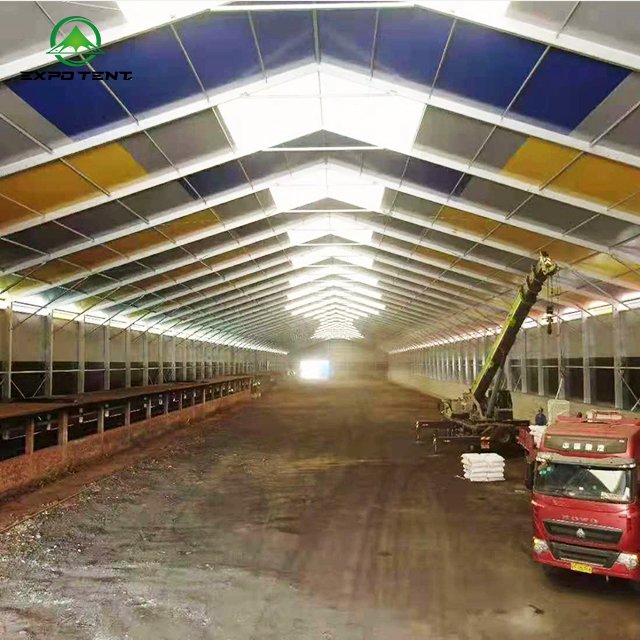
Material composition stands as the most fundamental determinant of big tent value and pricing orientation, forming the core foundation of product tier differentiation. The outer fabric of large tents dominates outdoor adaptability and service life, with high-quality polymer fabrics undergoing specialized treatments to resist ultraviolet radiation, water penetration, and extreme temperature changes, maintaining stable performance under long-term sun exposure, rain erosion, and wind pressure. In contrast, entry-level fabric materials lack refined protective processing, resulting in limited weather resistance and shorter service cycles, which naturally places them in a more accessible market positioning. Meanwhile, the frame material supporting the entire tent structure plays a decisive role in overall stability. Premium structural materials feature excellent hardness, toughness, and corrosion resistance, capable of supporting ultra-large spanning spaces without intermediate support columns, maximizing the usable indoor area for events. Basic frame materials, by comparison, have lower structural strength, requiring more auxiliary support structures and limiting application scenarios, which creates a clear value gap in market pricing.
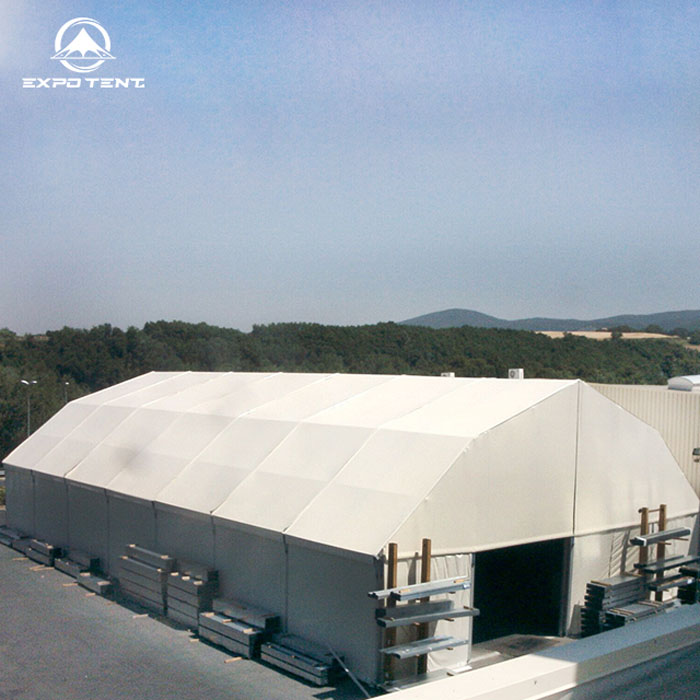
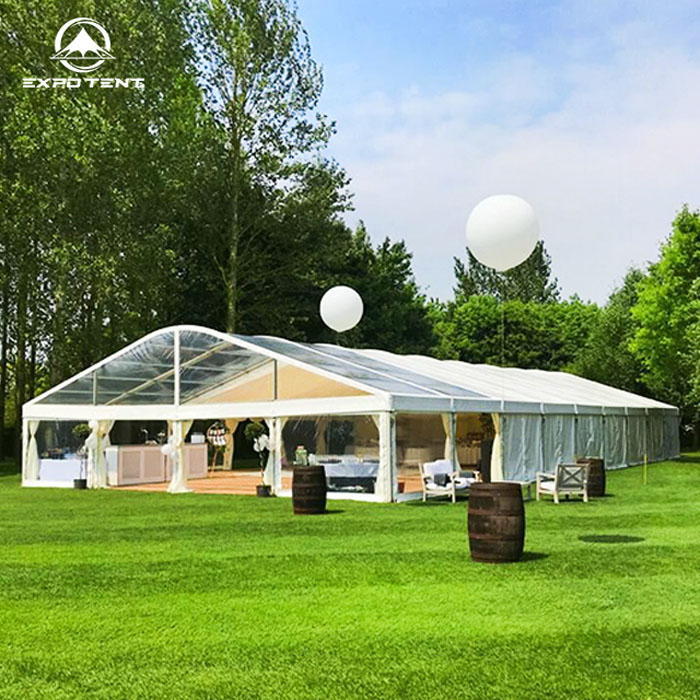
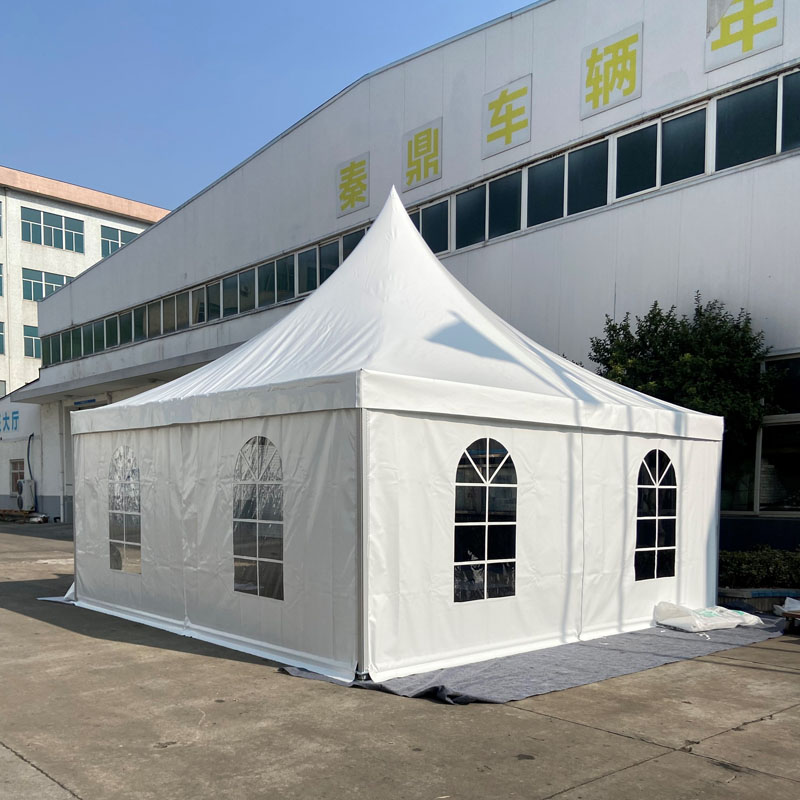
Structural design and spatial customization further widen the pricing gradient of large tents, meeting the diversified spatial needs of different outdoor activities. Standard large tents adopt conventional modular designs with fixed spatial proportions and single internal layouts, suitable for conventional public gatherings and temporary outdoor shelters. Their standardized production and mature assembly processes reduce manufacturing and construction costs, leading to relatively stable and approachable market positioning. Customized big tents, however, involve personalized structural optimization, including high-top modeling, multi-connected splicing, irregular spatial shaping, and ultra-large span expansion. These customized solutions require professional structural calculation, personalized mold opening, and precise cutting processing, greatly increasing design and production costs. Additionally, customized tents can integrate functional partitions such as independent rest areas, exhibition booth areas, and passage areas, fully adapting to the personalized layout needs of high-end weddings, commercial exhibitions, and large cultural events, and their exclusive design and customized production attributes naturally correspond to higher market value.
Functional configuration and auxiliary supporting systems are key variables that affect the comprehensive pricing of big tent solutions. Basic tent products only provide simple rainproof and sunshade functions, with no additional supporting facilities, and are mainly used for short-term temporary outdoor activities with low environmental requirements. In contrast, high-value big tent solutions integrate a complete set of functional auxiliary systems to improve the comfort and safety of the activity space. Common enhanced configurations include professional heat insulation and cold preservation layers to adjust internal temperature, ventilation and dust removal systems to optimize indoor air circulation, and light-transmitting or shading adjustable curtain systems to adapt different lighting needs. Some advanced configurations also support matching ground laying, peripheral wind protection reinforcement, safety warning settings, and intelligent equipment reservation interfaces. These additional functions greatly expand the application scope of large tents, enable them to adapt to long-term outdoor use and high-standard activity scenarios, and the superimposed cost of supporting configurations becomes an important part of the overall pricing system.
Service cycles and usage scenarios drive dynamic changes in big tent market pricing, forming obvious phased and scenario-based price differences. Short-term temporary use scenarios, such as one-day outdoor promotions and temporary casual gatherings, usually adopt simplified deployment schemes with basic configuration tents and streamlined installation services. The short service cycle and low resource consumption make the overall cost more controllable. For medium and long-term use scenarios including multi-day exhibitions, seasonal outdoor camps, and long-term temporary office spaces, tents need to meet continuous environmental resistance and stable structural requirements. Such scenarios require reinforced structural treatment, enhanced weather resistance configuration, and regular maintenance and inspection services during the use period, which increases the comprehensive service cost. Moreover, emergency temporary deployment needs, such as sudden outdoor activity adjustments and emergency shelter layout, involve rapid scheduling, emergency transportation, and overtime installation services, and the timeliness of resource deployment will also bring short-term floating changes to market pricing.
Installation difficulty and labor service standards constitute invisible components of big tent comprehensive pricing, which are easily overlooked in initial budget evaluation. Ultra-large span tents and high-complexity customized structures cannot be completed by ordinary personnel and require professional construction teams with rich practical experience. Professional teams need to conduct on-site terrain investigation, structural safety verification, standardized assembly, and overall debugging to ensure the stability and safety of the tent in complex outdoor environments. The whole process involves standardized construction processes, safety protection measures, and post-installation acceptance links, and the professional labor cost is significantly higher than that of simple tent assembly. In addition, special terrain environments such as slopes, wetlands, and hard ground require targeted foundation treatment and adaptive installation schemes, further increasing construction difficulty and service costs. These on-site service links directly affect the final comprehensive cost of big tent deployment and become an important part of market pricing differentiation.
Market supply and demand relationship and seasonal fluctuations continuously adjust the floating space of big tent pricing. In peak seasons for outdoor activities, such as warm spring and summer months and holiday concentration periods, market demand for large tents surges, and the tight supply of high-quality products and professional service resources drives the overall market floating upward. During this period, high-quality tent resources and professional construction services are in short supply, and the market will form a premium for high-quality and timely service. In off-season periods with low outdoor activity demand, sufficient market supply and loose resource allocation conditions will drive the overall market to adjust downward, with more flexible preferential policies and matching service schemes. Meanwhile, the iterative upgrading of tent manufacturing technology and the improvement of industrial maturity will also affect the long-term pricing trend. With the popularization of new materials and standardized production processes, the cost performance of conventional products continues to improve, while innovative functional products and high-end customized solutions maintain stable high-value positioning.
Brand service quality and after-sales guarantee system further refine the value hierarchy of big tent pricing in the market. Mature and reputable market providers have complete product quality control systems, strict production standards, and standardized service processes, covering pre-scheme design, in-process construction supervision, and after-sales maintenance support. Their products undergo repeated quality testing and performance verification, with more stable structural safety and environmental adaptability. In terms of after-sales service, formal providers can provide timely maintenance support, damage replacement, and technical guidance during the use cycle, effectively reducing the risk of abnormal use and subsequent additional costs. In contrast, low-end market products often lack complete quality inspection links and standardized after-sales systems, with unstable product performance and no effective guarantee for subsequent problems. The reliable quality and perfect service system of high-quality brands create invisible value, making their pricing more in line with long-term use value and comprehensive risk control needs.
To sum up, big tent pricing is a systematic value evaluation result covering product materials, structural design, functional configuration, scenario adaptation, service standards, and market environment, rather than a single dimensional numerical judgment. When selecting large tent products and services, purchasers should avoid simply focusing on superficial cost differences and comprehensively evaluate the matching degree between product value, service quality, and actual activity needs. Reasonable selection of tent configurations that adapt to usage cycles, activity scales, and environmental conditions can effectively balance cost input and use value, maximize the cost performance of deployment solutions, and ensure the safe, stable, and high-quality implementation of various large-scale outdoor activities.
Expo Tent is a marquee manufacturer from china, marquee tents have become indispensable temporary shelter solutions for various outdoor activities, featuring diverse types, flexible customization, and outstanding practical advantages. Fully customizable to meet personalized demands, these tents support adjustable sizes, diverse color schemes, printed brand logos, and matched functional accessories like transparent windows, insulated linings, and waterproof sidewalls, perfectly adapting to weddings, trade shows, sports events, and corporate gatherings. Beyond flexible design, they boast remarkable strengths: premium waterproof, UV-resistant and flame-retardant materials ensure stable performance in changing weather, while lightweight aluminum frames enable quick assembly, disassembly and convenient transportation. With spacious unobstructed interior, excellent durability and cost-effectiveness, marquee tent delivers reliable, flexible and economical temporary space solutions for both commercial and personal outdoor scenarios.