
 Global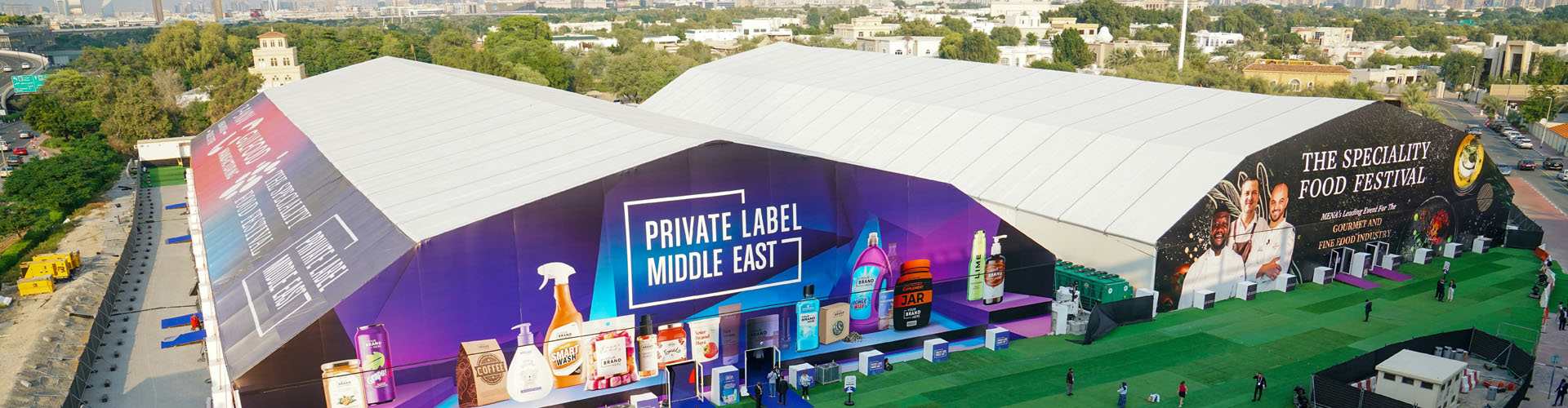
The black tent stands as one of humanity’s most ingenious and time-honored portable shelters, a timeless dwelling deeply intertwined with nomadic lifestyles and harmonious coexistence with nature. For centuries, this distinct dark-hued shelter has served as a core living space for wandering communities, blending practical functionality with profound cultural connotations. Unlike rigid, fixed buildings, the black tent is defined by its remarkable flexibility, durability, and adaptability to diverse harsh natural environments. Crafted primarily from natural animal fibers, it features unique breathable and weather-resistant properties that create a balanced living atmosphere indoors throughout changing seasons. More than a simple physical shelter, it carries the accumulated wisdom of generations of nomadic people, reflecting their minimalist living philosophy, resourceful use of natural materials, and intimate bond with the wild land. It remains a vivid symbol of mobile, sustainable living that continues to inspire modern outdoor design and ecological dwelling concepts.
The unique material composition of the black tent lays the foundation for its outstanding performance and long-standing popularity across generations. Traditional black tents are meticulously woven from high-quality animal hair fibers, a natural material selected and refined through centuries of practical exploration. These thick, dense fibers possess inherent waterproof, windproof, and sun-shielding traits that outperform many primitive shelter materials. The natural oils contained in the animal hair form a subtle protective layer on the fabric surface, effectively repelling rainwater and preventing moisture penetration even during continuous downpours. Meanwhile, the tight weaving structure resists strong winds and cold currents, while the fiber’s natural breathability eliminates the stuffiness common in synthetic shelters. In hot weather, the dense dark fabric blocks intense sunlight and reduces indoor temperature, creating a cool and shaded resting space; in cold seasons, it locks in indoor heat and resists frigid outdoor air, achieving a natural winter-warm and summer-cool effect without any mechanical assistance.
Beyond its superior material advantages, the structural design of the black tent embodies exquisite craftsmanship and pragmatic spatial wisdom tailored for mobile life. The overall structure adopts a lightweight, detachable framework, consisting of woven fabric covers and simple supporting components that are easy to disassemble, transport, and reassemble. Every part of the tent is designed with portability and efficiency in mind, allowing the entire dwelling to be quickly folded and packed into a compact size suitable for long-distance migration. The supporting structure is scientifically distributed to evenly bear external pressure, enabling the tent to maintain stable shape and firmness even in windy, snowy, or stormy weather. The top of the tent is reserved with a reasonable ventilation opening, which facilitates air circulation and smoke discharge while preventing rain and wind from pouring in, perfectly balancing ventilation and weather resistance. The interior space is open and flexible, with no rigid partitions, allowing residents to freely arrange living, resting, and storage areas according to daily needs and group sizes.
The black tent is far more than a functional outdoor shelter; it serves as the core carrier of nomadic daily life and social interaction. For wandering communities, this dark portable dwelling is not merely a temporary resting place but a complete home that accommodates all daily routines. Inside the tent, residents prepare meals, rest, weave handicrafts, and gather for daily communication, forming a warm and independent living microcosm. The relatively enclosed space of the tent fosters a strong sense of security and intimacy, tightening emotional bonds among family and group members. In traditional nomadic culture, the black tent also undertakes simple ritual and gathering functions, hosting small-scale communal activities and casual gatherings that connect individuals to their community. Every corner of the tent bears the traces of daily life, and its repeated assembly and disassembly with seasonal migration have become an integral part of the nomadic way of life, witnessing the cycle of life and the harmony between humans and nature.
The ecological value of the black tent makes it a model of sustainable dwelling that aligns with natural circulation rules. All raw materials used in traditional black tents are purely natural and environmentally friendly, extracted from renewable animal resources without relying on industrial synthetic materials. The production process relies entirely on manual weaving, requiring no complex industrial equipment or polluting processes, causing no damage to the surrounding ecological environment. When the tent reaches the end of its service life, its fiber materials can be naturally degraded or recycled and reused, avoiding the waste and environmental pollution caused by discarded modern shelter products. Moreover, the mobile nature of the black tent allows nomadic groups to avoid over-consumption and over-exploitation of regional land resources. By migrating with seasonal changes and resource distribution, people and shelters coexist gently with grasslands, mountains, and wilderness ecosystems, forming a virtuous circular living mode that adapts to nature rather than transforms it.
With the evolution of times and the diversification of outdoor lifestyles, the connotation and application scenarios of the black tent have been continuously expanded and innovated. While inheriting traditional craftsmanship and core advantages, modern black tent designs have absorbed contemporary outdoor design concepts, optimizing structural stability, portability, and comfort. The classic dark tone and natural material characteristics have been retained, while details such as folding structures, auxiliary windproof devices, and lightweight processing have been upgraded to adapt to modern camping, outdoor exploration, and temporary outdoor activity needs. In addition to traditional nomadic use, black tents are now widely applied in various outdoor scenarios, including wilderness camping, field exploration, outdoor cultural activities, and temporary rest stations. Its unique light-shielding, heat-insulating, and private-space advantages make it increasingly popular among modern outdoor enthusiasts, who value both practical performance and natural aesthetic texture.
The cultural significance of the black tent lies in its embodiment of a simple, resilient, and harmonious living philosophy that transcends time and regions. It represents a lifestyle that advocates adaptation over confrontation, simplicity over extravagance, and mobility over rigidity. For countless generations, people who have lived in black tents have learned to tolerate harsh natural conditions, cherish natural resources, and maintain a humble attitude toward the land. Unlike modern urban dwellings that pursue fixed luxury and functional complexity, the black tent interprets the essence of home as a warm, safe, and adaptable living space, rather than a fixed architectural symbol. This profound living wisdom has important reference value for modern society, reminding people to return to a simple life rhythm, respect natural laws, and seek a balanced coexistence between human life and the ecological environment amid rapid industrial and urban development.
Looking to the future, the black tent will continue to inherit traditional craftsmanship while integrating modern innovation, maintaining its unique vitality in the era of diverse outdoor lifestyles and ecological civilization construction. As people’s awareness of ecological protection and pursuit of natural living continues to rise, the environmentally friendly, sustainable, and high-performance characteristics of the black tent will gain more recognition and attention. Traditional weaving techniques and cultural connotations of the black tent will be better protected and inherited, while modern technological optimization will further expand its application scope and service life. Whether as a cultural heritage carrier recording nomadic civilization or a practical outdoor shelter adapting to modern life, the black tent will always carry the ancient wisdom of human-nature harmony, continuously interpret the diversity and inclusiveness of human dwelling culture, and bring lasting inspiration for future ecological dwelling design and outdoor life exploration.
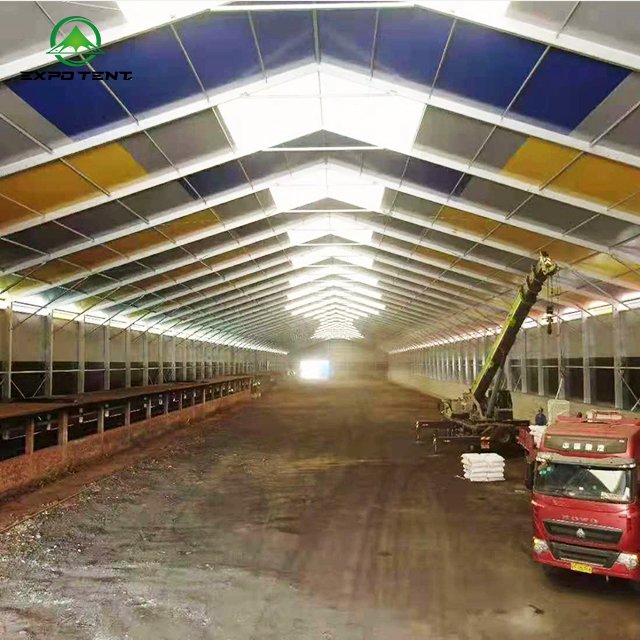
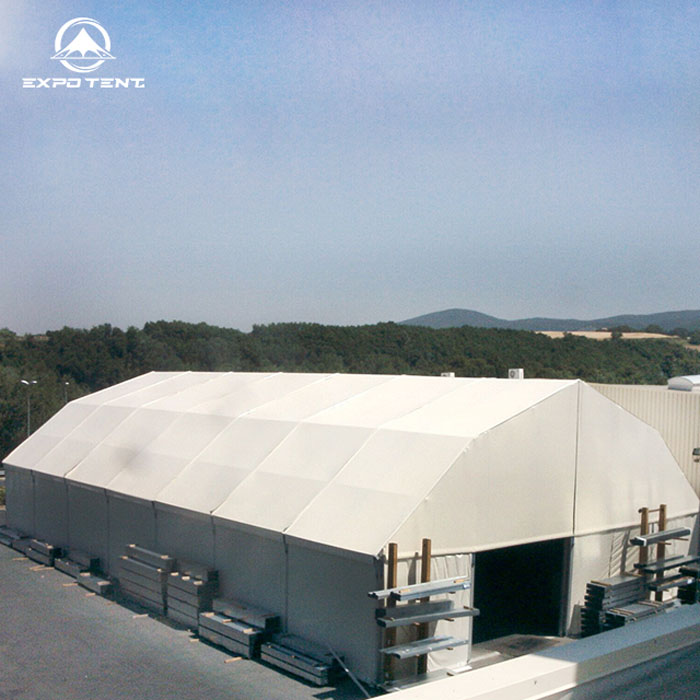
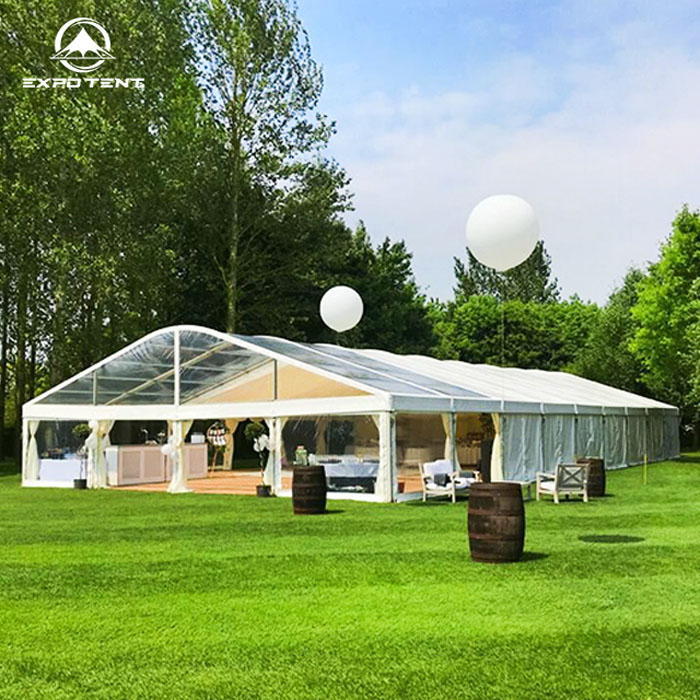
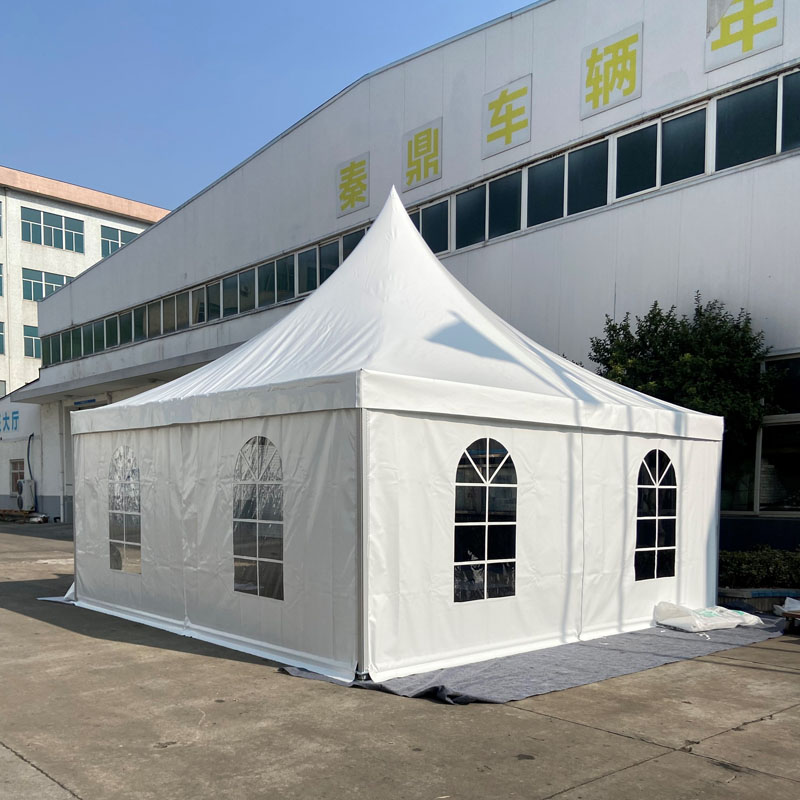
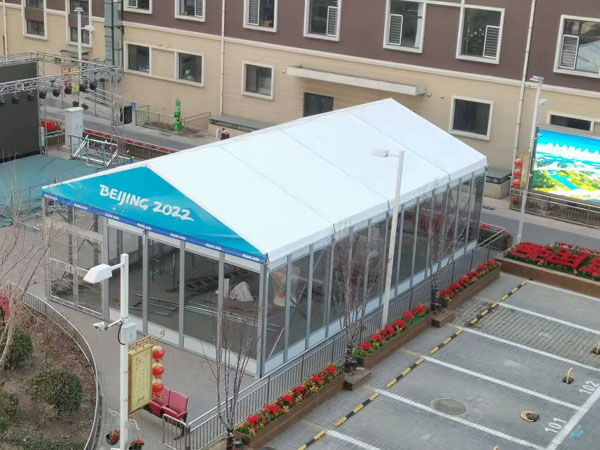
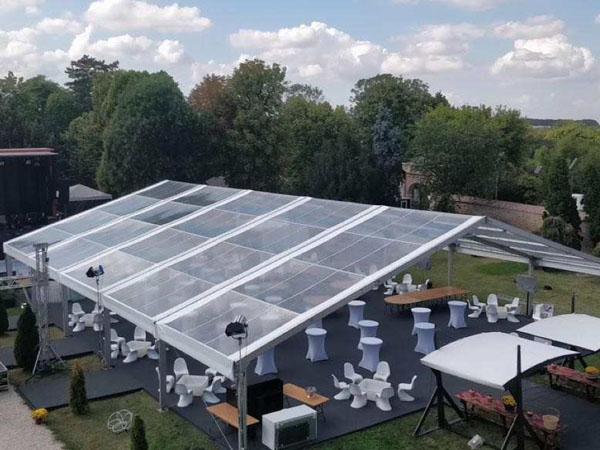
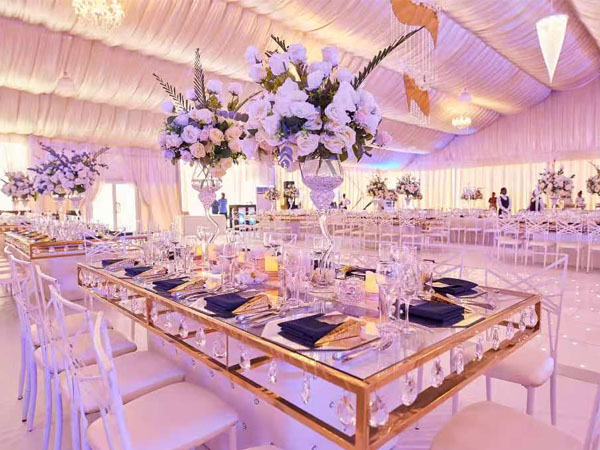
Expo Tent is a marquee manufacturer from china, marquee tents have become indispensable temporary shelter solutions for various outdoor activities, featuring diverse types, flexible customization, and outstanding practical advantages. Fully customizable to meet personalized demands, these tents support adjustable sizes, diverse color schemes, printed brand logos, and matched functional accessories like transparent windows, insulated linings, and waterproof sidewalls, perfectly adapting to weddings, trade shows, sports events, and corporate gatherings. Beyond flexible design, they boast remarkable strengths: premium waterproof, UV-resistant and flame-retardant materials ensure stable performance in changing weather, while lightweight aluminum frames enable quick assembly, disassembly and convenient transportation. With spacious unobstructed interior, excellent durability and cost-effectiveness, marquee tent delivers reliable, flexible and economical temporary space solutions for both commercial and personal outdoor scenarios.