
 Global
Camping Dome Tent – Spacious, waterproof & windproof family tent. Quick easy setup, stable dome shelter for camping, hiking & outdoor trips.
Dome tents stand as one of the most widely adopted shelter choices for outdoor camping, balancing simple operation and stable performance to fit diverse outdoor scenarios. With a curved, rounded silhouette, this type of tent breaks away from the traditional boxy camping shelter layout and has gained popularity among casual campers and outdoor enthusiasts.
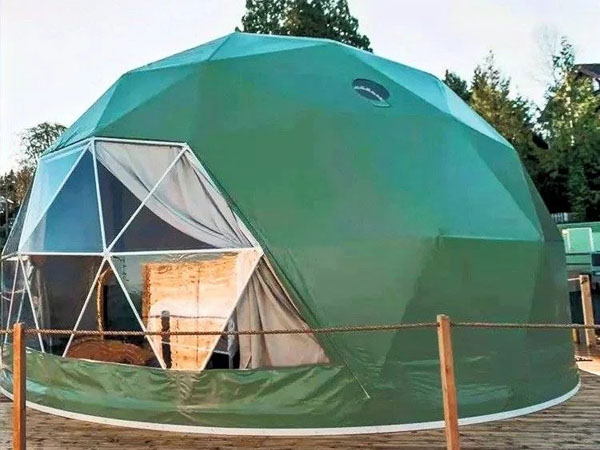
A camping dome tent is a freestanding temporary shelter built with intersecting flexible poles to form a self-supporting dome frame. It gets its name from its distinctive hemispherical or arched shape. Unlike tunnel tents that rely on guy lines for basic shape retention, most dome tents can maintain their core form after the frame is assembled, even before external tension lines are secured. This design trait makes it easy to reposition the tent on flat ground and adjust its orientation against wind or sunlight. Its overall size ranges from compact single-person versions to large multi-room models that accommodate groups.
Camping dome tents can be sorted by capacity, functional positioning and structural layout. By occupancy, there are solo, two-person, family-sized and large group dome tents, which differ in internal floor space and headroom. In terms of functional positioning, lightweight dome tents focus on packing volume and weight for backpacking trips, while robust recreational dome tents prioritize interior space and ventilation for car camping. Based on layout, simple single-dome tents contain only one enclosed space, and combined multi-dome designs connect several dome units to create separate sleeping zones and a shared vestibule for gear storage.
The primary use of a dome tent is to provide a private, wind-resistant resting space during overnight outdoor camping. It serves as a shelter for sleeping, storing personal belongings and escaping sudden rainfall. Lightweight dome versions suit backpacking, hiking and backcountry trips where users need to carry the tent over long distances. Larger dome models work well for car camping, weekend getaways and outdoor gatherings. In mild weather, the tent can also act as a shaded lounge space during daytime, offering protection from direct sun and light breeze. It is designed for temporary outdoor use and is not intended for long-term fixed habitation.
The signature feature of the dome tent is its self-supporting frame structure. The curved dome shape helps deflect wind flow instead of catching wind force, delivering decent wind resistance under normal outdoor conditions. Most dome tents feature multiple mesh panels for cross ventilation, reducing condensation buildup inside the enclosure. The rounded interior maximizes usable headroom near the center, allowing occupants to sit upright comfortably. These tents usually fold down into a compact bundle for transport. Many designs include removable rainflys, so users can choose to use only the inner mesh tent on warm, clear nights or attach the outer fly for rain protection. The setup process is intuitive and can typically be finished by one or two people without complicated tools.
The skeleton of the dome tent consists of flexible crossing poles that arch upward and lock into grommets or pole sleeves at the four corners of the tent floor. Two or more poles intersect at the top peak to form the arched dome contour. The tent floor is a continuous fabric panel sewn to the bottom edge of the inner tent, creating a sealed base to block ground moisture. Pole connectors and fasteners hold the crossing poles firmly at the intersection point to prevent shifting. Some larger dome tents add short support poles around the perimeter to expand side space and prevent fabric sagging. All structural components are engineered to bend evenly under load rather than snapping under moderate pressure.
The enclosure system includes the inner tent fabric and the outer rainfly. The inner tent combines breathable mesh fabric and solid woven fabric. Mesh sections dominate the upper walls and ceiling to promote air circulation, while solid fabric panels are placed at the lower sections to block ground drafts and small insects. The outer rainfly is a separate waterproof fabric cover that drapes over the dome frame. It is sized with a gap between itself and the inner tent to form an air buffer layer, which improves waterproof performance and further cuts down condensation. Stitching seams on both the inner tent and rainfly are treated to limit water penetration. Zippers on the entrance doors run along curved edges matching the dome shape, and zipper flaps cover the seams to stop rain from seeping through zipper gaps.
A complete dome tent set comes with a range of supporting accessories. Tent pegs anchor the tent base and guy lines to the ground. Guy lines attach to designated webbing loops on the rainfly and tent corners; when tightened, they add extra stability in stronger wind. Storage pockets are sewn onto the inner tent walls to hold small items such as phones, headlamps and keys. Some models include a vestibule extension on the rainfly, forming a covered area outside the main entrance for shoes and backpacks. Carry sacks are provided for packing all components after disassembly. Additional accessories may include repair patches for fabric tears and spare pole segments for field replacement.
To install the dome tent, first spread out the tent floor on level ground and clear away sharp stones and branches. Next, thread the flexible poles through the designated sleeves or attach them to the corner fasteners, then arch and cross the poles to lock at the top connector. Once the frame stands up, drape the rainfly over the dome and align its fasteners with the tent body. Drive pegs through the corner webbing loops into the ground, then adjust and tension the guy lines evenly. After use, clean off dirt, sand and debris, and make sure all fabric is fully dry before packing to avoid mildew. Inspect poles, zippers and fabric regularly for damage. If components are broken or defective, replacement parts can be obtained following official support channels. Users are advised to test setup at home before heading into remote outdoor areas and follow proper disassembly steps to avoid forcing or bending poles improperly.
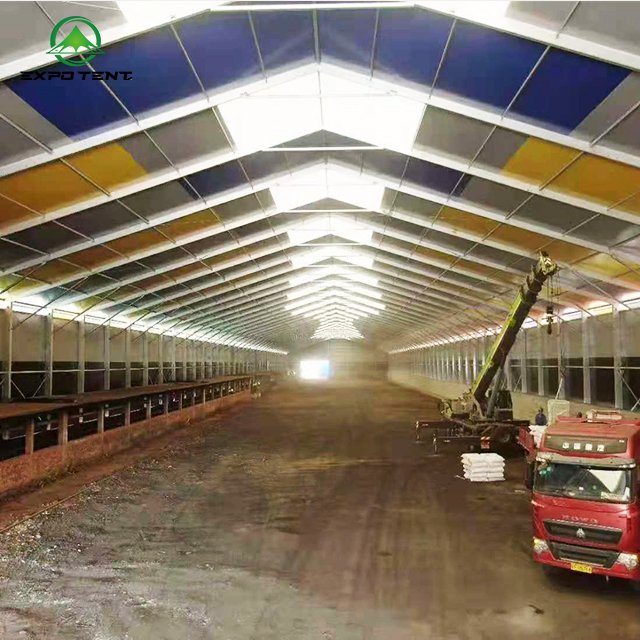
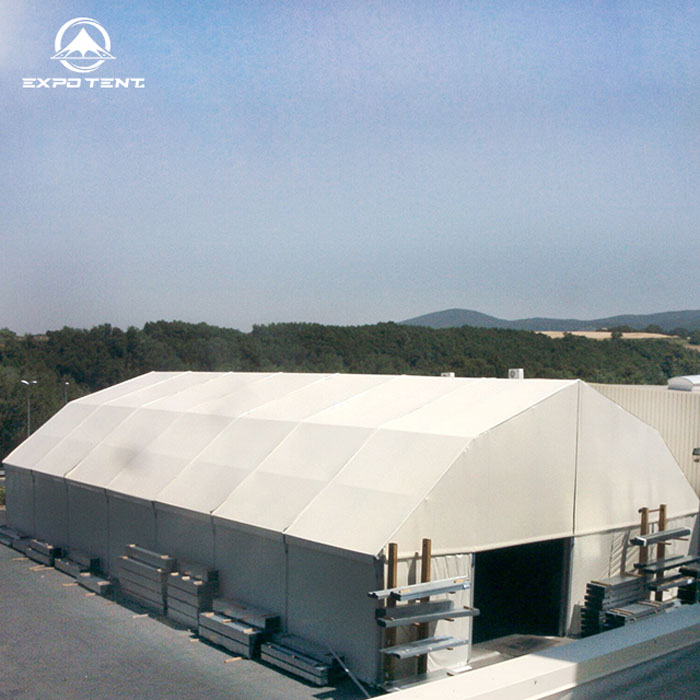
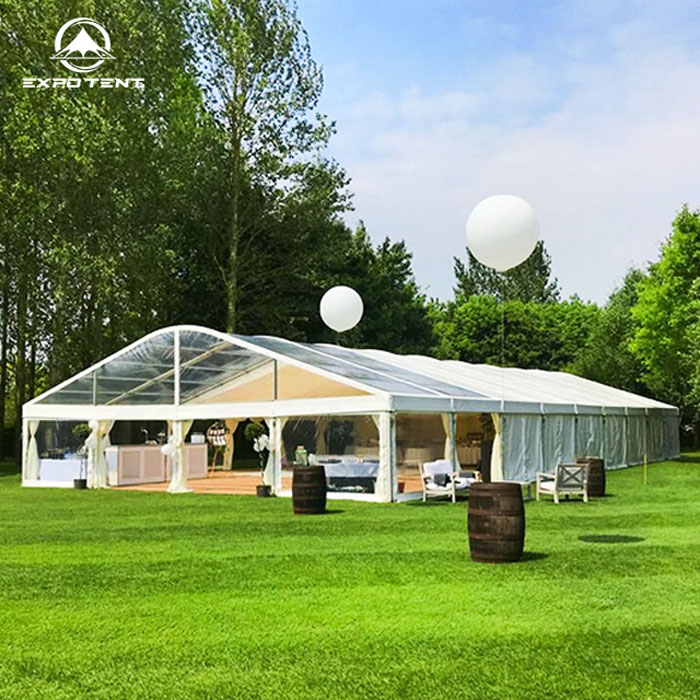
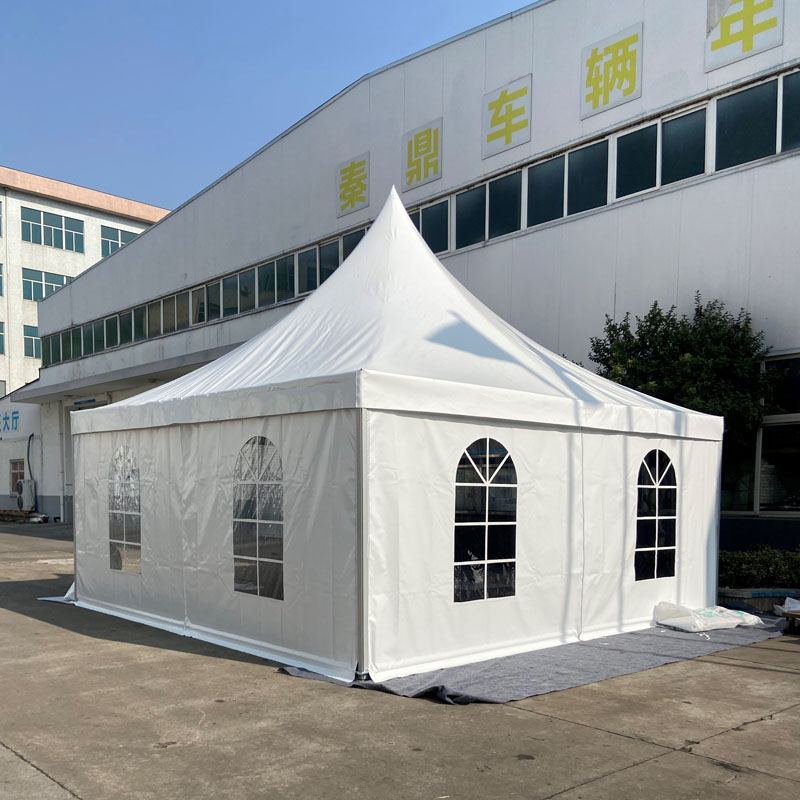
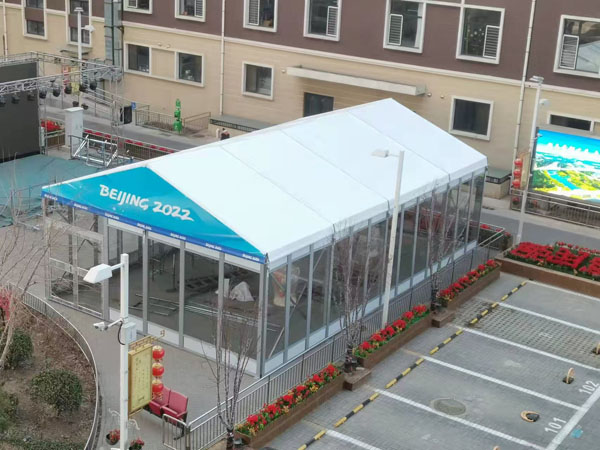
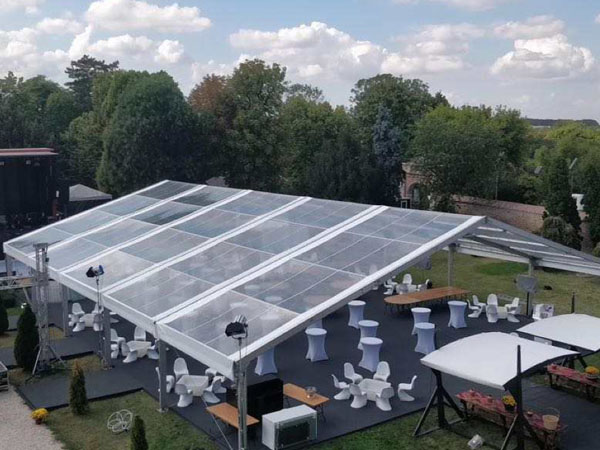
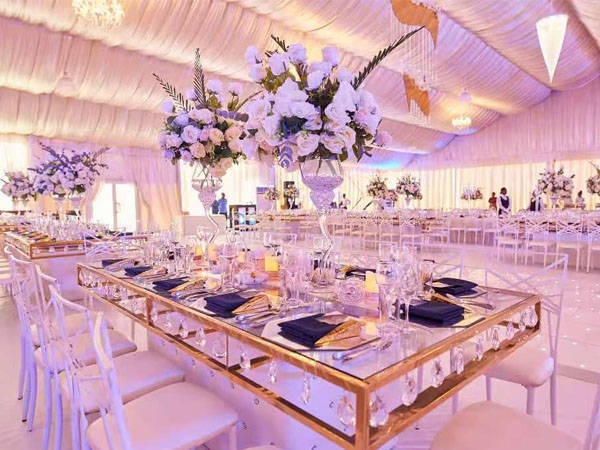
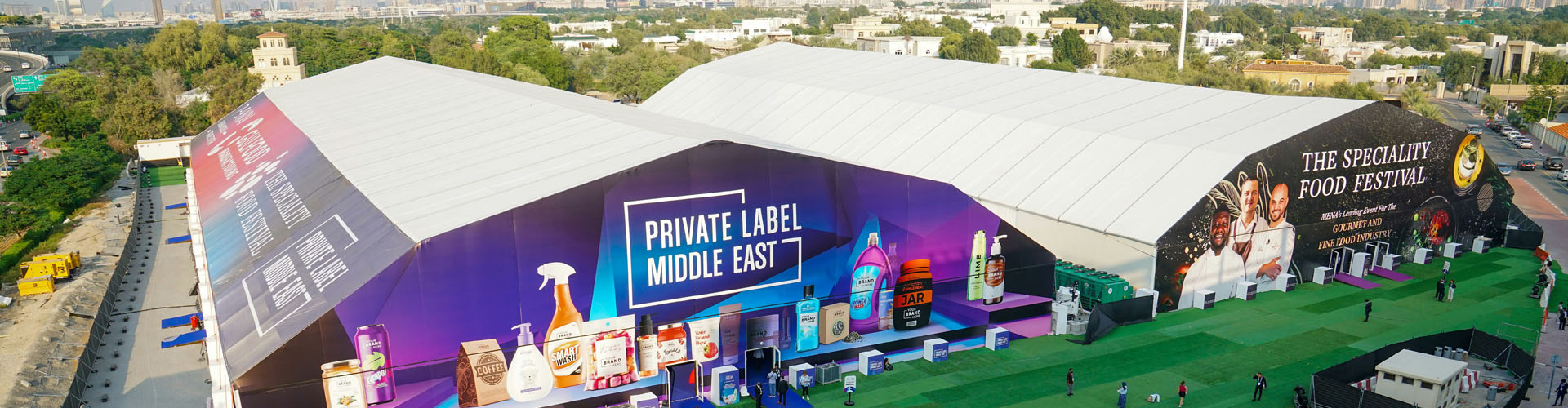
Expo Tent is a marquee manufacturer from china, marquee tents have become indispensable temporary shelter solutions for various outdoor activities, featuring diverse types, flexible customization, and outstanding practical advantages. Fully customizable to meet personalized demands, these tents support adjustable sizes, diverse color schemes, printed brand logos, and matched functional accessories like transparent windows, insulated linings, and waterproof sidewalls, perfectly adapting to weddings, trade shows, sports events, and corporate gatherings. Beyond flexible design, they boast remarkable strengths: premium waterproof, UV-resistant and flame-retardant materials ensure stable performance in changing weather, while lightweight aluminum frames enable quick assembly, disassembly and convenient transportation. With spacious unobstructed interior, excellent durability and cost-effectiveness, marquee tent delivers reliable, flexible and economical temporary space solutions for both commercial and personal outdoor scenarios.