
 Global
Premium canopies for events, weddings & outdoor parties. Waterproof event canopy tents offer shade & shelter in all weather. Multiple sizes available for your next outdoor gathering.
Event canopies are temporary outdoor covering structures widely adopted for a broad range of on-site activities. They offer flexible shelter solutions when fixed buildings cannot satisfy the layout, capacity and mobility requirements of an event. These lightweight assemblies balance practical protection and visual adaptability, making them a staple option for modern outdoor event planning.
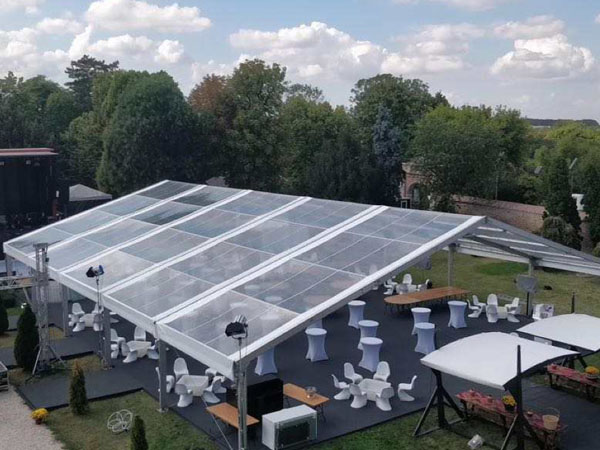
An event canopy refers to a freestanding, relocatable shelter built to create covered space in open-air environments. Unlike permanent buildings, it is designed for short-term or repeated use and can be taken down, transported and reassembled at different venues. The core goal of such canopies is to define usable zones while shielding participants, equipment and furnishings from unpredictable outdoor conditions. They can work independently as standalone covered areas or connect together to form larger continuous spaces to match different event scales.
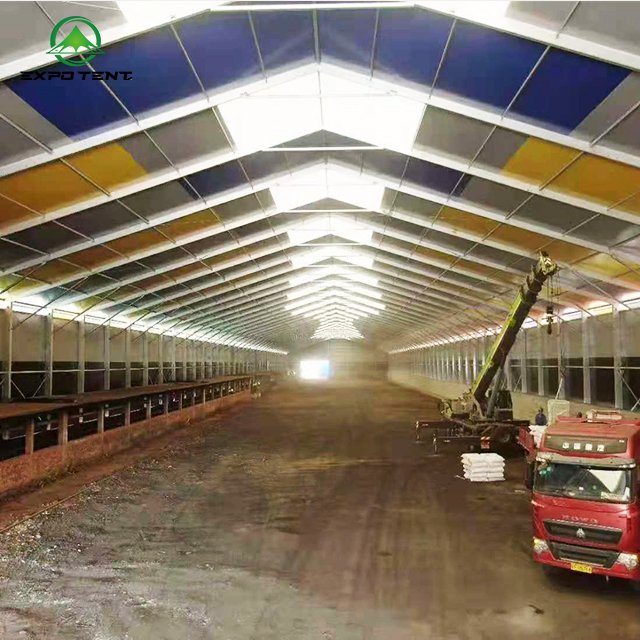
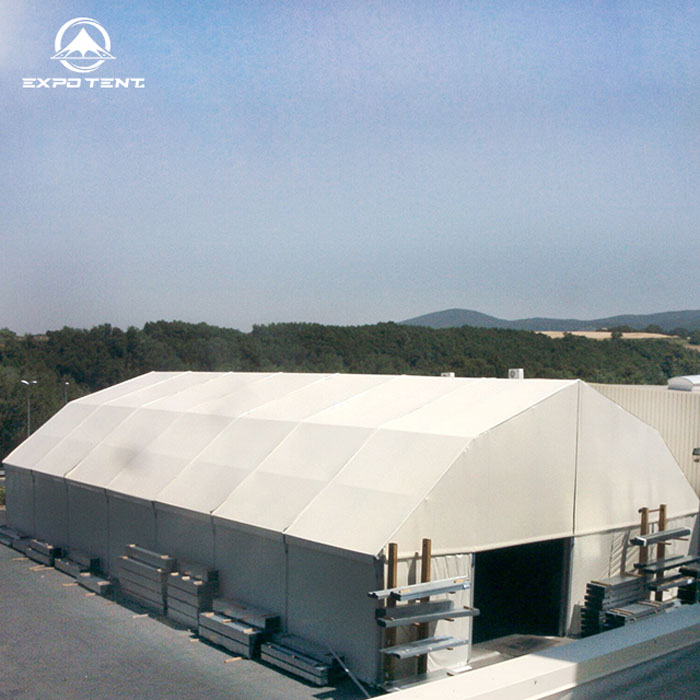
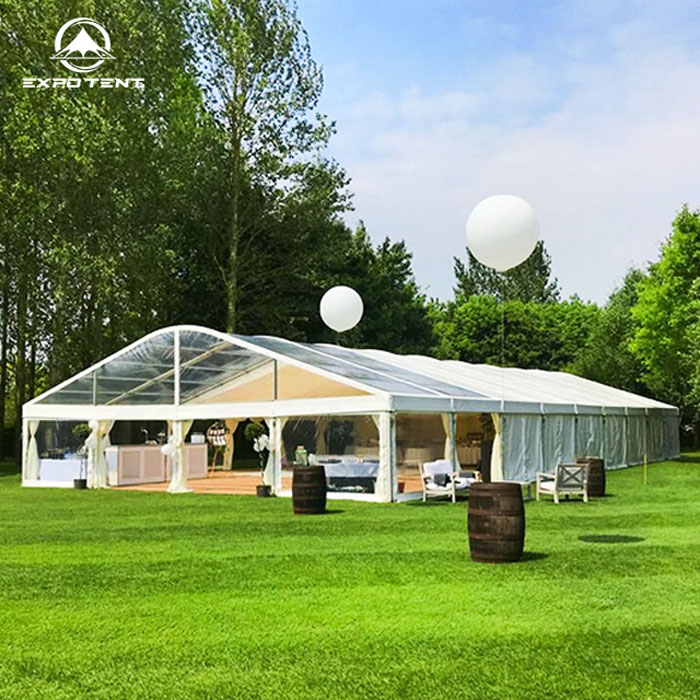
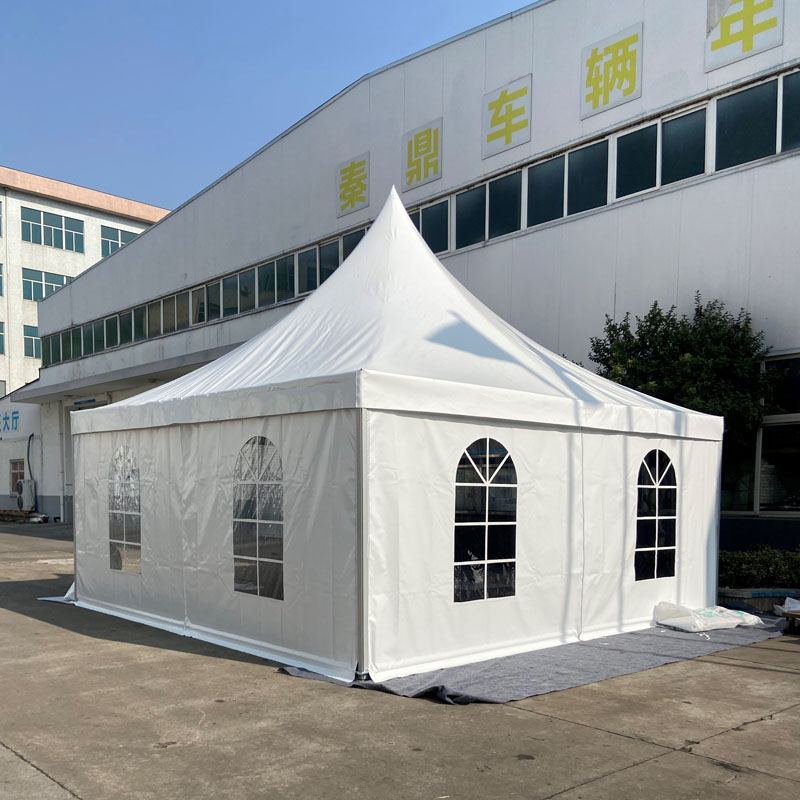
Event canopies can be grouped in several common ways based on shape, frame style and deployment form. Peak roof canopies feature a sloped pointed top and are one of the most popular types for small and medium activity zones. Flat roof canopies create a neat horizontal ceiling and are easier to join side by side to expand coverage. Curved roof canopies carry a soft streamlined outline and deliver a more distinctive visual effect for display or reception areas. From the perspective of assembly mode, modular frame canopies use standard interchangeable components, while pop-up canopies adopt integrated folding frames for ultra-fast setup. Large-span clear-span canopies remove intermediate supporting poles inside the covered area to achieve unobstructed inner space.
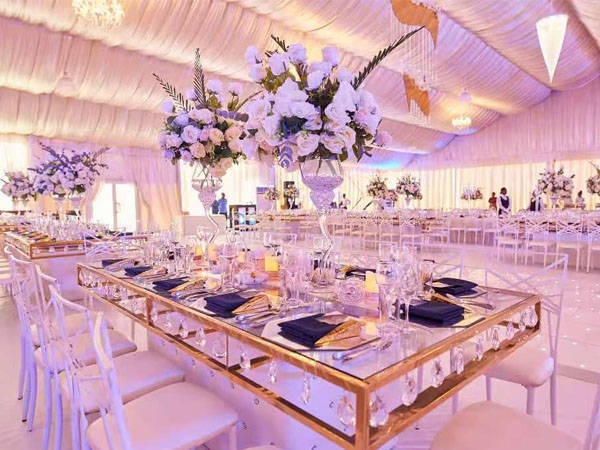
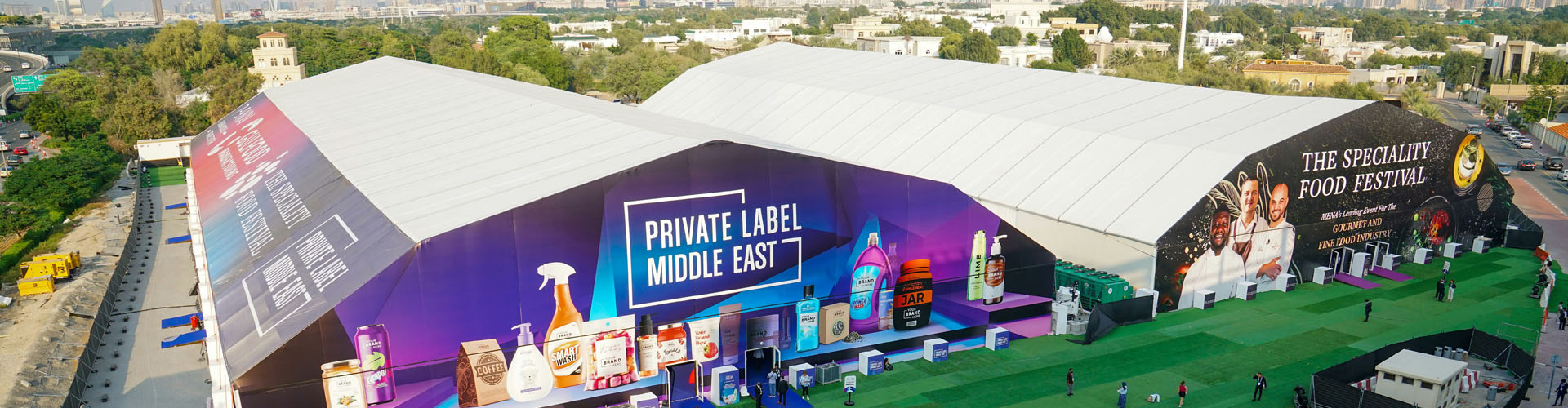
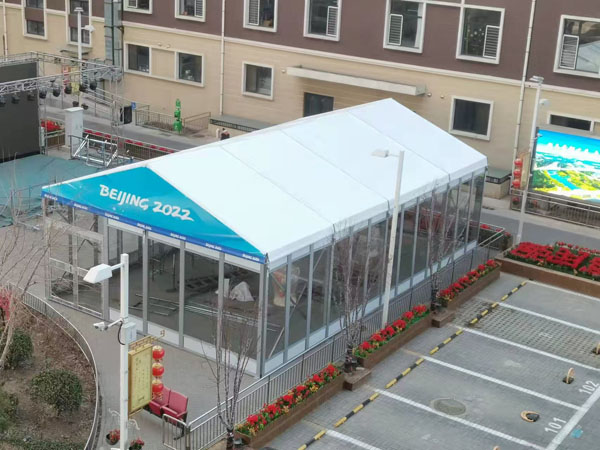
These canopy structures serve diverse functional purposes across event scenarios. They provide shaded and dry gathering zones for guest reception, seating areas and catering stations. Exhibition and display booths often use canopies to mark independent presentation areas for exhibits and promotional displays. They can also act as temporary service hubs for registration, first aid and equipment storage. For performance-related activities, canopies cover stages, audio devices and control stations to keep technical gear stable. Sports and community outdoor activities use them to create rest zones for athletes and spectators. They are also suitable for seasonal markets, pop-up retail zones and ceremonial spaces where temporary boundary and shelter are needed.
Flexibility stands out as the most prominent feature. The size and layout can be adjusted according to site conditions and expected attendance, and the whole structure can be relocated after the event ends. Good weather resistance allows the canopy to block direct sunlight and light precipitation, maintaining a relatively comfortable microclimate underneath. Customisation is another major advantage. The outer surface can be printed with graphics and colour schemes that fit the event theme. The overall weight remains manageable for ground transport, and the design prioritises fast assembly without complicated construction machinery. Meanwhile, the modular design supports expansion, so multiple units can be linked to enlarge the covered space when required.
The main supporting frame forms the load-bearing skeleton of the canopy. It is assembled from separate rigid connecting parts that lock together to form a stable three-dimensional framework. Vertical support posts transfer weight down to the ground, and horizontal beams and roof rafters hold up the top covering material and distribute surface loads evenly. Connection joints are critical for structural safety. Matching connectors lock tubes firmly and prevent loosening under normal usage. For large-span styles, reinforced diagonal bracing parts are added to improve overall rigidity and reduce sway. All structural components are made to be compatible within the same system, so damaged single pieces can be replaced separately instead of replacing the whole frame.
The canopy fabric, also known as the roof covering, is the outer layer that directly faces the outdoor environment. It is engineered to resist ultraviolet radiation and water penetration, with surface treatment to slow dirt accumulation. The fabric is cut and sewn into shapes matching the roof frame, with reinforced seams and edge binding to avoid tearing at stress points. Optional enclosure panels can be fitted around the frame perimeter as needed. Side panels may be solid opaque fabric, semi-transparent material or mesh netting. Solid panels improve wind and temperature isolation, mesh panels maintain airflow while blocking insects and strong direct sunshine. Enclosure panels usually use fasteners that attach quickly to the frame and can be partially opened or fully removed according to on-site ventilation needs.
A complete event canopy solution includes a set of matching auxiliary accessories to enrich functionality. Ground anchoring accessories fix the frame to the site surface and enhance stability against wind. Internal accessories include hanging rails for lighting, cable management clips and mounting points for banners. Ventilation accessories can be installed to promote air circulation inside the covered space. For occasions requiring power supply arrangement, dedicated cable routing accessories help organise wires neatly and reduce tripping risks. Additional accessories such as internal divider curtains allow users to split one large covered area into several smaller independent zones.
Installation follows a standard sequence: site preparation, frame assembly, fabric fitting, anchoring and accessory mounting. The process relies on hand tools and coordinated labour teams, and no permanent modification to the ground is required. Operators check joint tightness, fabric tension and anchoring status before opening the canopy for use. Regular visual checks during long-duration events help spot loose connections or fabric damage at an early stage. When the event finishes, the canopy is dismantled in reverse order. Fabric should be cleaned and fully dried before packing to prevent mould, and frame parts are sorted and stored properly for reuse. After-service support covers guidance for component replacement, maintenance advice for fabric and frames, and troubleshooting for assembly difficulties. Proper routine maintenance can extend the usable life of the whole canopy system for repeated future events.
Expo Tent is a marquee manufacturer from china, marquee tents have become indispensable temporary shelter solutions for various outdoor activities, featuring diverse types, flexible customization, and outstanding practical advantages. Fully customizable to meet personalized demands, these tents support adjustable sizes, diverse color schemes, printed brand logos, and matched functional accessories like transparent windows, insulated linings, and waterproof sidewalls, perfectly adapting to weddings, trade shows, sports events, and corporate gatherings. Beyond flexible design, they boast remarkable strengths: premium waterproof, UV-resistant and flame-retardant materials ensure stable performance in changing weather, while lightweight aluminum frames enable quick assembly, disassembly and convenient transportation. With spacious unobstructed interior, excellent durability and cost-effectiveness, marquee tent delivers reliable, flexible and economical temporary space solutions for both commercial and personal outdoor scenarios.