
 Global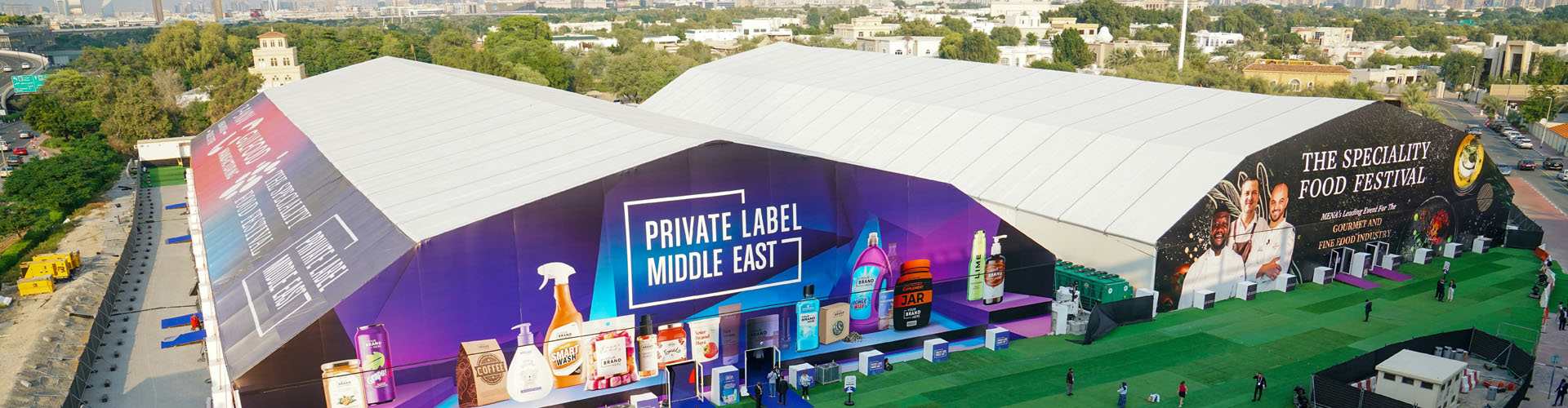
Tent canvas is a core fabric for outdoor shelter construction, evolving from traditional pure cotton weaving to modern blended materials. It balances durability, weather adaptability and comfort, serving diverse outdoor scenarios while retaining classic practical traits optimized for modern camping needs.
Tent canvas has a long-standing connection with outdoor shelter development, tracing back to early simple woven fabrics used for temporary covering in ancient times. Early canvas was mainly woven with natural plant fibers, featuring thick and tight textile structures that laid the foundation for its excellent wear resistance. In the early stages of outdoor activity development, this fabric became the primary choice for making tents because it could withstand basic wind and sun exposure, far outperforming ordinary thin fabrics in stability. With the gradual prosperity of outdoor culture and the diversification of camping demands, traditional single-fiber canvas could no longer meet complex environmental needs. This drove continuous innovation in canvas weaving techniques and fiber matching, forming the multi-type tent canvas system widely used in modern outdoor scenarios. Every upgrade of tent canvas is closely linked to the iteration of outdoor lifestyles, adapting from simple field resting to long-term glamping and all-weather outdoor exploration.
The material composition of modern tent canvas presents a diversified and optimized trend, abandoning the limitation of single pure cotton materials. Traditional pure cotton canvas boasts outstanding natural breathability and temperature regulation performance, with fibers that can slowly absorb and release heat to ease extreme temperature changes inside tents. When encountering humid weather, cotton fibers swell slightly after absorbing water, naturally tightening the fabric gaps to block rainwater infiltration, forming a unique passive waterproof effect. However, pure cotton canvas has obvious drawbacks such as heavy weight, slow drying speed and easy mildew growth in humid environments. To make up for these deficiencies, most mainstream tent canvas now adopts cotton-polyester blended formulas with scientific fiber ratios. This blended structure retains the comfortable breathing and temperature-stabilizing advantages of cotton while introducing the lightweight, quick-drying and mildew-resistant properties of polyester, achieving a perfect balance between traditional practicality and modern applicability.
Weaving density and structural design are key factors determining the comprehensive performance of tent canvas. High-quality tent canvas adopts dense double-layer or cross weaving technology, which greatly improves the tensile strength and tear resistance of the fabric. Different from ordinary loose woven fabrics, the tight weaving structure makes each fiber closely connected, effectively resisting external friction, branch scratching and wind tension in outdoor environments. This structural advantage enables canvas tents to maintain complete fabric integrity during long-term field use, avoiding local damage and tearing caused by accidental external forces. In addition, the uniform weaving gaps of qualified canvas ensure stable air circulation inside the tent. It prevents excessive condensation water from accumulating on the inner wall in cold nights or humid weather, solving the common stuffy and damp problems of ordinary synthetic fiber tents, and significantly improving the indoor comfort of outdoor accommodation.
Functional coating treatment is an indispensable process for modern tent canvas, endowing the fabric with all-round weather resistance. Common high-quality canvas coatings include PU and waxed treatments, each with unique functional advantages and application scenarios. PU coating forms a thin and flexible protective film on the fabric surface, which can effectively block rainwater and dew while maintaining the softness and ductility of the canvas. This treatment will not affect the folding and storage of the tent, and is very suitable for portable camping tents that need frequent disassembly and movement. Waxed canvas adopts traditional paraffin wax treatment, with more stable waterproof and sun-proof performance, and can form a natural aging texture after long-term use. Different from rigid protective layers, these functional coatings are tightly combined with the fabric fibers, not easy to peel or fall off with long-term use, ensuring the lasting stability of the tent’s outdoor protection performance.
The thermal regulation performance of tent canvas makes it uniquely suitable for four-season outdoor activities. In hot summer environments, the tight woven fiber structure of canvas can effectively block direct strong sunlight and reduce heat radiation penetration. Unlike thin synthetic fabrics that heat up rapidly under the sun, canvas absorbs external heat slowly and continuously releases internal air, keeping the tent interior cool and ventilated. In cold seasons, the thick fiber layer of canvas can lock indoor heat and reduce heat loss caused by external cold air invasion. This passive temperature adjustment function does not rely on auxiliary equipment, creating a constant and comfortable living space for outdoor campers. Whether it is summer leisure camping or winter field exploration, canvas tents can adapt to temperature changes and reduce the discomfort caused by extreme weather.
Durability and service life are core advantages that make tent canvas stand out among many tent fabrics. Under standardized use and daily maintenance, high-quality tent canvas can maintain good performance for many years, far exceeding the service cycle of ordinary nylon and thin polyester fabrics. The thick fiber structure and stable weaving process enable the canvas to resist daily wear, ultraviolet aging and mild mold erosion. After multiple folding, unfolding and outdoor wind and rain tests, the fabric is not easy to deform, harden or fade. Even after long-term outdoor placement, it can still maintain basic waterproof and breathable functions. This excellent durability not only reduces the frequent replacement cost of outdoor equipment but also makes canvas tents more suitable for long-term fixed camp layout and repeated outdoor use, meeting the needs of outdoor enthusiasts for durable and reliable equipment.
The breathability advantage of tent canvas solves the core pain point of outdoor tent accommodation. Many lightweight modern tent fabrics adopt fully closed waterproof structures, which easily lead to poor internal air circulation. After a night of rest, the exhaled water vapor cannot be discharged in time, forming a large amount of condensation on the tent inner wall, making the internal bedding damp and stuffy. Tent canvas, with its natural micro-gap weaving structure, allows moist air inside the tent to circulate outward while blocking external rain and wind. This one-way breathable effect keeps the indoor air fresh and dry all the time. Even in closed camping environments, it can avoid stuffy heat and dampness, greatly improving the sleeping experience of outdoor camping, which is also the key reason why canvas tents are widely loved by glamping lovers.
Tent canvas has unique portability and storage adaptability after optimized process improvement. Traditional pure cotton canvas is bulky and heavy, bringing great transportation pressure to outdoor travel. Modern blended canvas effectively reduces the overall weight of the fabric on the premise of retaining core performance advantages. The optimized fiber matching and weaving process make the canvas softer and more foldable, which can be tightly folded into a small volume during storage and transportation, occupying little space in outdoor equipment bags. When unfolded for use, the fabric can quickly rebound and restore a flat and neat state without obvious creases or structural deformation. This improvement balances the heavy-duty performance and portable use demand of canvas, making it applicable not only for fixed scenic spot camping but also for mobile self-driving camping and hiking camping scenarios.
Daily maintenance methods directly affect the service life and performance retention of tent canvas. Although the canvas is durable and weather-resistant, reasonable maintenance can effectively delay fiber aging and maintain stable functional performance. After each outdoor use, it is necessary to fully dry the canvas in a ventilated environment before storage, which can effectively prevent mold growth and fiber corrosion caused by residual moisture. For surface dirt, it is advisable to gently clean with soft water and neutral cleaning supplies, avoiding hard brushing or strong corrosive detergents that may damage the fabric structure and surface coating. During long-term storage, the canvas should be placed in a dry and cool environment, avoiding long-term extrusion and direct ultraviolet irradiation, so as to prevent fabric hardening, fading and performance attenuation.
The application scenarios of tent canvas are constantly expanding with the development of outdoor industry. In addition to the most common leisure camping tents, high-performance canvas is also widely used in glamping fixed tents, field temporary command shelters, outdoor activity sunshade canopies and other equipment. Its stable weather resistance and comfortable use experience meet the high-quality accommodation needs of luxury camping, while its excellent durability can adapt to long-term outdoor fixed placement. In some special outdoor environments such as grasslands, forests and suburban open spaces, canvas tents can better integrate with the natural environment due to their natural texture and color, avoiding the abrupt sense of industrial synthetic materials, and improving the overall aesthetic feeling of outdoor camping scenes.
As outdoor lifestyles continue to upgrade and people’s demand for high-quality outdoor experience grows, tent canvas technology is still in continuous innovation and iteration. Future canvas will further optimize the fiber ratio and weaving process, realizing lighter weight, stronger weather resistance and lower maintenance cost. At the same time, combined with environmental protection development trends, more eco-friendly recycled fibers and green coating processes will be adopted to reduce environmental impact while ensuring performance. Always adhering to the core advantages of comfort, durability and practicality, tent canvas will continue to be the preferred fabric for high-end outdoor shelters, bringing more stable and comfortable accommodation experience for all kinds of outdoor activities.
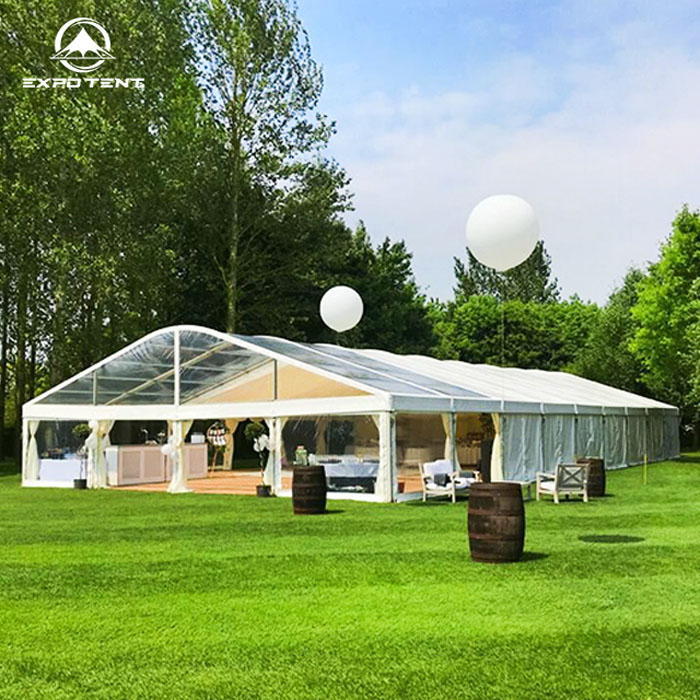
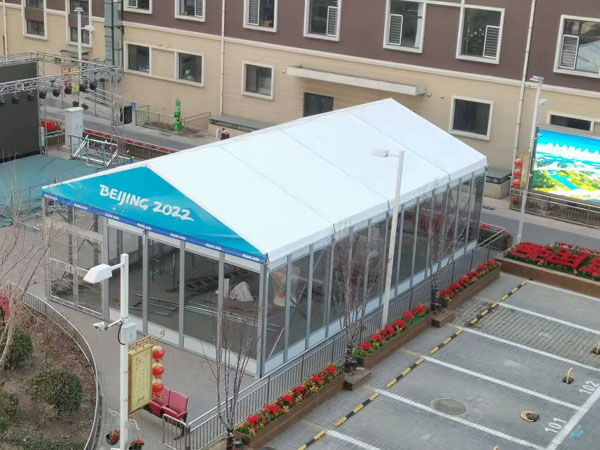
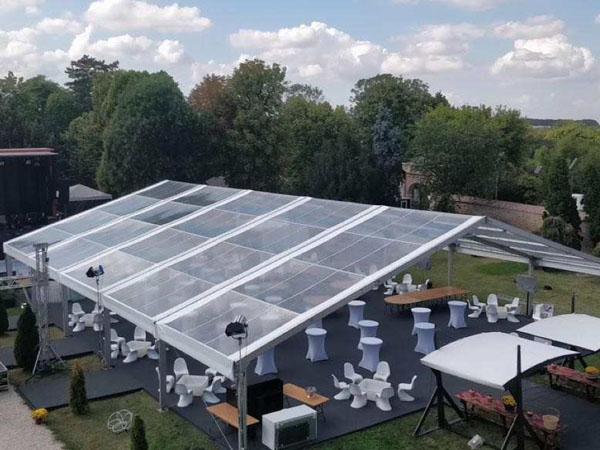
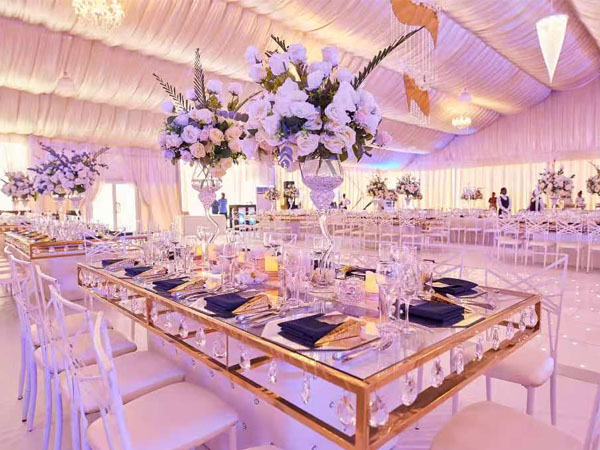
Expo Tent is a marquee manufacturer from china, marquee tents have become indispensable temporary shelter solutions for various outdoor activities, featuring diverse types, flexible customization, and outstanding practical advantages. Fully customizable to meet personalized demands, these tents support adjustable sizes, diverse color schemes, printed brand logos, and matched functional accessories like transparent windows, insulated linings, and waterproof sidewalls, perfectly adapting to weddings, trade shows, sports events, and corporate gatherings. Beyond flexible design, they boast remarkable strengths: premium waterproof, UV-resistant and flame-retardant materials ensure stable performance in changing weather, while lightweight aluminum frames enable quick assembly, disassembly and convenient transportation. With spacious unobstructed interior, excellent durability and cost-effectiveness, marquee tent delivers reliable, flexible and economical temporary space solutions for both commercial and personal outdoor scenarios.