
 Global

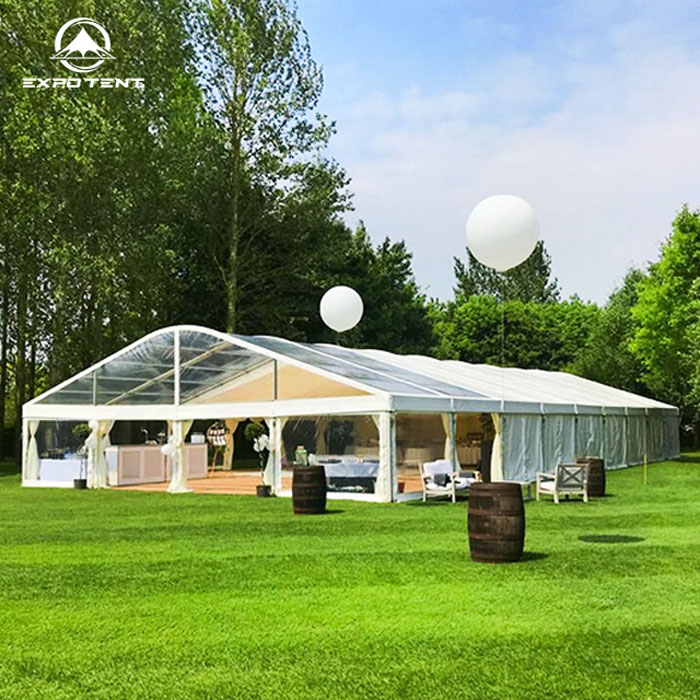
Gathering in the open air carries a special spiritual weight for many faith communities, and a church tent serves as a gentle bridge between the natural world and sacred assembly spaces. Unlike permanent buildings that anchor worship to one fixed location, this kind of temporary shelter lets congregations carry their ministry to fields, parklands, rural clearings, or neighbourhood green spaces where a traditional sanctuary cannot reach. These structures are crafted to hold more than just people; they hold moments of prayer, song, shared testimony, and quiet reflection, all while shielding attendees from unpredictable outdoor conditions. A sudden burst of sunlight, light rain, or cool evening breeze does not need to interrupt a service when a well-built church tent stands ready. The design prioritises open feeling rather than closed confinement, with wide spans that avoid heavy support columns cutting across sightlines, so speakers, worship teams, and congregants can connect easily across the space. Many communities choose these tents for seasonal outreach, holiday celebrations, baptism services, or community meals that draw visitors who might feel intimidated stepping inside a formal church building. The soft, unassuming exterior removes some of the barriers between faith groups and surrounding residents, inviting casual passers-by to pause and join without pressure. Inside, the broad floor area can be arranged flexibly, with seating set in rows for worship, grouped tables for fellowship meals, or open space for children’s ministry activities. This adaptability makes the tent a valuable tool for churches seeking to meet people where they are, rather than requiring everyone to travel to a fixed address. Even small congregations can use the tent to host larger gatherings that their existing facility cannot accommodate, turning limited resources into opportunities for connection and outreach.

The construction of a church tent for outdoor events balances durability with practical ease of handling, a combination essential for volunteer teams who often manage setup and takedown. The outer fabric is engineered to resist the everyday wear of outdoor exposure, standing up to prolonged sun exposure and moisture without rapid degradation. The material is lightweight enough for a group of volunteers to transport and install, yet strong enough to maintain shape through hours of continuous use. Support frames use sturdy tubing that locks securely into place, creating a stable skeleton without requiring specialised heavy machinery. Every connection point is designed for simple assembly, with fittings that align intuitively so volunteers do not need extensive technical training to erect the full structure. Seams are carefully sealed to reduce water penetration, keeping the interior dry during light rainfall, while the fabric retains enough breathability to prevent excessive heat buildup on warm days. Ventilation is built into the overall design, allowing air to circulate and avoid the stuffy atmosphere common in cheaper temporary shelters. Corners and high-tension points feature reinforced sections, as these areas bear the greatest stress during wind gusts. The base edges can be secured firmly to the ground using anchoring systems suited to grass, dirt, or paved surfaces, ensuring the tent stays positioned throughout the event. While the tent is built for temporary deployment, thoughtful craftsmanship means it can be reused many times across seasons and different locations, offering long-term value for recurring ministry events. Care taken in manufacturing reduces the risk of unexpected tears or frame failures that could disrupt a scheduled service or community gathering.
Lighting integration is an important consideration when preparing a church tent for worship events that extend into morning hours or evening gatherings. Since the fabric diffuses natural daylight beautifully, daytime services often benefit from soft, even illumination that feels calm and reverent, without harsh glare. For evening events, lightweight lighting fixtures can be safely hung from the internal frame structure, positioned to light seating areas, stage spaces, and walkways without creating distracting hotspots. Many communities opt for gentle, warm-toned lights that support a peaceful atmosphere, fitting the reflective tone of prayer and worship rather than bright commercial lighting. Cabling can be routed neatly along frame beams and secured away from foot traffic, reducing trip hazards for attendees of all ages. Lighting plans can be adjusted based on the event purpose; a baptism service may require brighter, clear illumination, while a candlelight vigil can rely on dim, subtle overhead lighting paired with personal light sources. It is possible to separate lighting zones within the tent, creating a brighter area for a worship platform and softer lighting in spaces set aside for quiet prayer or children’s activities. When planning lighting inside the tent, teams also account for fabric characteristics, selecting fixtures that maintain safe distance from the tent material to preserve safety throughout use. Simple lighting setups can be managed by volunteer teams, while more elaborate arrangements can be added for special seasonal celebrations. The flexibility to modify lighting transforms the same tent space from a bright daytime fellowship meal venue into a serene evening worship setting, expanding the range of events the church can host outdoors.
Acoustics inside a church tent require intentional planning because open fabric structures behave differently from solid-walled sanctuaries. Sound travels freely across the large open interior, and the fabric surfaces soften sharp echoes that often plague hard-sided temporary buildings. Even so, volunteer teams need to consider speaker placement and sound system arrangement to ensure spoken messages and music reach all corners of the tent clearly. The high, arched roof of many church tent designs helps distribute sound evenly, reducing dead zones where words become muffled. Worship bands, vocal soloists, and guest speakers can use carefully positioned audio equipment so every attendee, whether seated near the front or at the back edges of the space, can hear clearly. Fabric side panels can be partially opened or closed to adjust how sound moves; opening panels allows natural ambient outdoor sound to filter in, while closing panels creates a more contained acoustic environment for focused services. Communities often test sound setups during a practice session before the event begins, walking through every section of the tent to listen for volume inconsistencies. This testing also reveals how background outdoor noise, such as wind or distant traffic, interacts with the sound system. Many churches find that the natural acoustics of the tent lend a warm quality to acoustic music, hymn singing, and group prayer, fostering a communal feeling of shared voice. While a tent cannot perfectly replicate the acoustic qualities of a permanent church sanctuary, thoughtful audio planning creates a space where the spoken word and sacred music can be experienced meaningfully by everyone present.
Space planning inside the church tent opens up countless layout possibilities tailored to different types of outdoor ministry events. For traditional worship services, chairs can be arranged in neat rows facing a simple raised platform, creating a familiar sanctuary style inside the temporary shelter. Fellowship meals and community banquets use round or long tables, encouraging conversation between attendees and turning the tent into a place of connection and hospitality. Separate zones can be created within the same tent by arranging furniture or lightweight portable dividers, allowing multiple activities to happen at once. One section may serve as a prayer station, another as a craft area for children, while the main area remains open for preaching and worship. Wide central aisles are maintained to support easy movement, emergency access, and processions such as baptismal or communion services. Space near tent entrances can be set aside for welcome tables, information displays, and greeting teams who meet guests as they arrive. Storage corners can hold sound equipment, extra seating, supplies for communion, and children’s ministry materials, keeping these items organised without cluttering the main gathering space. Accessibility is central to layout decisions, with clear, level pathways that accommodate wheelchairs, walkers, and families with strollers. The large, unobstructed floor area means layouts can change completely between events; the same tent that hosts a Sunday worship gathering one weekend can be rearranged for a community health fair or youth outreach day the next week. This freedom to reshape the interior space is one of the most compelling benefits of using a tent rather than a fixed building for outdoor church events.
Side panel options add remarkable versatility to a church tent, letting event organisers adjust the boundary between the sheltered interior and the surrounding outdoor landscape. Full solid side panels can be attached for events needing privacy, full weather protection, or reduced outside distractions during prayer and teaching. Mesh side panels offer another choice; they keep insects out while allowing fresh air and views of the surrounding landscape to flow into the gathering space. On pleasant, mild days, some or all side panels can be rolled up and secured open, creating a semi-open pavilion that feels connected to the natural surroundings. Partial panel configurations work well for events where organisers want shade and overhead cover without fully enclosing the group. Panels can be added or removed in sections, so only the windward sides are covered during breezy weather, leaving other sides open to gentle airflow. Zippers built into panel seams create doorways at multiple locations, offering several entry and exit points for crowds of varying sizes. Panels are lightweight and simple for volunteers to attach or detach during setup and takedown, and they can be folded compactly for transport and storage after events end. Many congregations appreciate the ability to shift between fully enclosed and open-air environments during a single event. If weather changes unexpectedly through the day, teams can quickly fasten additional side panels to protect attendees from wind or light rain. This level of control over the tent’s boundaries helps maintain comfort and continuity, even when outdoor weather conditions shift during worship or fellowship activities.
Logistics of transportation, storage, and maintenance are key practical factors for faith communities that use a church tent repeatedly for outdoor ministry. Once fully disassembled, the fabric and frame components pack into manageable bundles that fit inside standard vehicles, eliminating the need for specialised large trucks for transport. Fabric sections are carefully folded to prevent unnecessary creasing or abrasion, while metal frame pieces are bundled and secured to avoid scratches during transit. When not in use, all components can be stored in a dry, covered location, protecting fabric from prolonged dampness that could lead to mildew. Simple cleaning routines preserve the fabric’s appearance and performance; surface dirt can be gently wiped away, and materials are designed to withstand basic cleaning without losing their protective qualities. Before each new event, volunteer teams inspect every component, checking fabric for small tears, examining frame pieces for bends, and testing fasteners and anchors to ensure everything remains in good working order. Any minor issues can be addressed promptly before setup, preventing problems from arising during a gathering. The disassembly process mirrors setup, following a clear sequence so volunteers can take down the tent efficiently once an event concludes. Organising storage with labelled bags for fabric parts and frame segments helps teams quickly locate what they need when preparing for the next outdoor event. With consistent basic care, the tent remains reliable for many gatherings over multiple years, supporting regular outreach, seasonal celebrations, and special worship experiences without excessive ongoing maintenance burden for the congregation.
Safety considerations guide every step of planning and operating a church tent for outdoor events, protecting attendees, volunteers, and equipment through every stage of use. Site selection begins with identifying level ground free of overhead hazards, uneven ground, or obstacles that could create risks once the tent is erected. Ground anchoring is completed carefully, matching anchor methods to the surface type, so the structure remains stable in wind. Clear exit paths are planned and kept unblocked at all times, with multiple exit points visible and accessible to everyone inside the tent. Volunteer teams are briefed on site safety procedures before attendees arrive, understanding how to respond if weather conditions worsen during an event. Equipment placement follows thoughtful rules; heat or electrical devices are kept at safe distances from tent fabric, and all cords are secured to reduce tripping risks. Attendee capacity is respected, ensuring the space is not overcrowded, and organisers keep aware of the number of people present throughout the gathering. Weather monitoring is part of pre-event planning, with teams keeping watch for developing storms or high wind that may require adjusting or postponing activities. First aid supplies are kept in an easily accessible spot near the tent entrance, and at least a few volunteers are familiar with basic first aid practices. Children’s areas inside the tent are positioned to maintain visibility, so adult supervisors can watch young attendees easily. Safety planning does not remove all outdoor risks, but careful preparation ensures that worship and fellowship can proceed in a sheltered environment where risks are recognised and managed thoughtfully.
Community outreach is greatly expanded by the mobility offered by a church tent, allowing faith groups to serve populations who may rarely visit a traditional church building. Many neighbourhood residents feel more comfortable visiting an open outdoor event than stepping inside a formal sanctuary, and the tent creates a welcoming neutral space for connection. Congregations can bring worship, prayer opportunities, meals, and resource distribution to housing developments, community parks, rural towns, or festival grounds, meeting people in spaces they already frequent. Youth ministries use these tents for summer camps, retreat gatherings, and outdoor worship nights, creating memorable spiritual experiences in natural settings. Food distribution events, clothing drives, and community support programs can operate under the tent’s cover, protecting volunteers and guests from sun or rain while aid is shared. These outreach events often combine practical help with gentle spiritual engagement, offering conversation, prayer support, or invitations to future gatherings without pressure. The tent also serves ecumenical events where multiple faith groups gather together for joint worship or community service, offering a shared sacred space that does not belong to a single congregation’s permanent building. As communities see the church present in public spaces under the tent roof, perceptions shift from seeing faith confined to church buildings to understanding ministry as something that moves out into the wider world. Stories of connection formed under these temporary shelters often become cherished memories within congregations, inspiring volunteers to continue planning future outdoor events and outreach opportunities.
The lasting spiritual impact of worship held under a church tent comes from the unique atmosphere created when sacred gathering happens beneath an open, portable roof set within creation. Worship under canvas carries a sense of temporary pilgrimage, reminding attendees that faith community is not defined by stone walls but by people gathered together. The sounds of wind in the fabric, birds in nearby trees, or sunset light filtering over the tent walls blend with hymns, prayers, and testimonies to create a worship experience distinct from indoor services. Many people describe feeling a heightened awareness of the natural world and spiritual presence when they gather in this outdoor shelter. Baptisms, confirmations, wedding blessings, and anniversary celebrations held in these spaces hold special meaning for participants, who remember the day’s setting alongside the sacred moment taking place. Even simple weekly services, held under the tent during pleasant seasons, build shared memories that bind the congregation closer as a community. The tent itself is only fabric and frame, but it becomes a sacred space because of the people who gather there in prayer and fellowship. When the final volunteer team takes down the tent after an event, the physical structure is packed away, yet the moments of connection, comfort, hope, and worship experienced within its shelter remain with those who attended. For churches that seek flexible ways to gather, serve, and worship outside fixed building walls, the outdoor church tent continues to be a meaningful, adaptable tool for living out faith in the communities around them.
Expo Tent is a marquee manufacturer from china, marquee tents have become indispensable temporary shelter solutions for various outdoor activities, featuring diverse types, flexible customization, and outstanding practical advantages. Fully customizable to meet personalized demands, these tents support adjustable sizes, diverse color schemes, printed brand logos, and matched functional accessories like transparent windows, insulated linings, and waterproof sidewalls, perfectly adapting to weddings, trade shows, sports events, and corporate gatherings. Beyond flexible design, they boast remarkable strengths: premium waterproof, UV-resistant and flame-retardant materials ensure stable performance in changing weather, while lightweight aluminum frames enable quick assembly, disassembly and convenient transportation. With spacious unobstructed interior, excellent durability and cost-effectiveness, marquee tent delivers reliable, flexible and economical temporary space solutions for both commercial and personal outdoor scenarios.