
 Global
The circus tent rises from flat ground like a living beast of fabric, its broad curves pushing upward against the soft weight of the sky, turning an ordinary empty field into a realm separated from the everyday world. Long before the first performer steps onto the sawdust floor, the structure itself begins to shape the experience of anyone who draws near. Heavy rolls of woven material, layered to hold back wind and mild sunlight, are stretched over tall supporting poles planted deep into the soil, each cable pulled tight with steady force to keep the great roof balanced and steady. Ropes crisscross outward in wide patterns, anchoring the whole form to stakes hammered firmly into the earth, creating a web of tension that quietly holds thousands of pounds of material suspended above open space. From outside, the surface catches shifting light; in morning glow, it glows pale and gentle, while under afternoon cloud cover, it settles into muted tones that seem to swallow the sharp edges of the surrounding landscape. People walking toward it notice the scale first, how the tent dwarfs trees and small vehicles, yet maintains a rounded, inviting silhouette that does not feel harsh or imposing. There is no solid wall defining its boundary in the same way a permanent building does, and this temporary quality carries its own quiet magic. It exists only for a short while, built to stand for days or weeks before being taken apart, rolled back up, and carried away to another place. This impermanence sets it apart from fixed structures, creating a feeling that everything inside is a fleeting gift, a moment that will vanish once the last audience member leaves. Even from a distance, faint sounds drift through the fabric, muffled hints of music, distant calls, and the low murmur of workers finishing preparations. The air around it carries the faint scent of canvas, damp earth, and fresh sawdust spread across the ground to soften footsteps and absorb spills. Children often run ahead of their families, eyes fixed on the sweeping dome, wondering what wonders lie hidden beyond the closed flaps. Adults slow their pace, pulled back to faint memories from their own childhoods, recalling similar tents they visited years ago. The tent does not merely provide shelter; it marks a threshold, separating routine life from the space where feats of skill, color, and storytelling unfold. Every fold and seam in the fabric tells of careful craftsmanship, designed to flex with gusts of wind rather than fight against them, bending slightly without tearing, resilient in ways that surprise those who only see its massive outer shape.

When visitors pass through the entrance flaps, they step across that invisible threshold and enter a space defined entirely by the curves of the overhead canopy. The vast ceiling arches high above, making the enclosed area feel both protected and endlessly open at the same time. Rows of simple seating stretch outward in broad arcs, following the rounded shape of the tent so every seat faces toward the central performance ring. Sawdust covers the ground beneath every footstep, softening sound so that footsteps and shifting bodies do not ring out sharply as they would on concrete or wood. The air inside holds a distinct temperature, different from the world outside; fabric traps warmth when the day grows cool, yet gentle cross-ventilation through gaps around poles and entryways keeps stagnant air from settling for too long. Light filters through the canvas in diffused streaks, soft and warm rather than harsh direct sunshine. When the performance begins, brighter lights turn toward the ring, creating a sharp contrast between the vividly lit center and the dimmer edges where audience members sit. Shadows stretch across the fabric walls, moving as performers move, making the tent feel alive and responsive to every action taking place beneath its dome. Audience members settle into their seats, adjusting clothing and leaning forward with quiet anticipation. Conversations slowly fade, replaced by quiet rustling and the low hum of expectation. The rounded shape naturally guides all attention inward toward the central space; there are no corners where eyes can easily wander away, no distant doorways competing for focus. Every line of sight curves back toward the ring, designed so viewers can track tumblers, dancers, and animal handlers as they move through their routines. Even small details contribute to the atmosphere, from the subtle creak of support poles under pressure to the faint flutter of canvas stirred by passing breezes. This space is not built for long-term occupation, yet it feels complete, fully formed for this brief purpose. There is a raw simplicity to it, no polished marble or painted murals, relying instead on the grand scale of the tent itself and the energy of the people within to create wonder. Visitors often pause to glance upward at the sweeping overhead fabric, marveling that such a large open space can exist without solid walls and permanent ceilings. This temporary architecture invites people to suspend their usual expectations, ready to accept impossible sights and bold performances within its curved boundaries.
The assembly process of a circus tent demands careful coordination among many people, each with a clear task to complete before the structure can hold its full shape. Work begins early, long before spectators arrive, when the empty field is surveyed and marked to outline the tent’s footprint. Teams drive heavy stakes deep into the ground at measured intervals, creating anchor points for all the tension ropes that will hold the fabric steady. Support poles are moved into position and raised slowly, one after another, guided by hands and simple machinery to stand upright without sudden jolts that might damage the canvas. Once the frame of poles is set, large folded sections of fabric are unrolled across the cleared ground, their edges aligned precisely so seams match when lifted upward. Crew members grip along the borders of the material, pulling and guiding it as it rises over the vertical supports, adjusting tension ropes little by little to distribute weight evenly across the whole surface. This work cannot be rushed; too much pull on one side creates uneven strain that can wear fabric or shift poles out of alignment. Workers move around the perimeter, checking each cable, testing give in the canvas, smoothing wrinkles that might catch wind and create dangerous drag. Every connection point is inspected multiple times, as safety depends on hundreds of small, secure attachments working together. Even minor imperfections in the setup can grow into larger problems when wind picks up, so crews watch the sky closely while building, ready to pause if weather threatens. As the tent takes shape, the empty field transforms step by step; what was grass and dirt becomes a defined arena. Once the main canopy is secured, smaller side canopies and entry tunnels are attached, creating sheltered walkways for performers and storage spaces for props and equipment. Sawdust is spread over bare ground, raked smooth to cover uneven patches and create a forgiving surface for falls and heavy movement. Seating is arranged along curved lines to match the tent’s circular design, planks and supports assembled quickly but sturdily. When all pieces are in place, the crew walks the entire interior and exterior once more, listening for unusual creaks, checking loose knots, and smoothing any areas where fabric might rub against metal poles and wear thin. The whole process relies on shared rhythm and trust; every person must understand their role and communicate clearly, because no single individual could raise such a vast covering alone. When finished, the tent stands ready, quiet and imposing, waiting to hold crowds and performances for the days ahead.
Weather shapes every moment of life within and around the circus tent, for fabric cannot fully separate those inside from the natural world beyond its walls. Gentle breezes bring soft movement to the canvas, making the surface ripple like water, carrying fresh air through openings and stirring faint currents across audience seating. Light rain creates a unique soundscape, tapping steadily across the wide roof in a continuous murmuring rhythm that blends with the performance, adding a natural soundtrack rather than disrupting the show. The layered fabric slows water so it runs down planned channels along seams and ropes, guided away from the central ring and seating areas. Workers inspect drainage paths before storms arrive, clearing debris that might block the flow and allow pools of water to gather on the canopy, which adds dangerous weight. Strong winds require close monitoring; crews stand ready to adjust tension on anchor lines, watching for excessive flapping that can tear fabric at seams. If gusts grow severe, protocols guide the safe evacuation of people inside before conditions become hazardous. Heat also influences the tent environment. On bright, warm days, the canvas absorbs solar energy, raising the temperature inside, so openings along the perimeter are adjusted to encourage airflow, pulling cooler air in from outside. Shaded sections along the tent’s edges offer relief for performers waiting to enter the ring. Cold evenings bring another shift; fabric holds trapped warmth from bodies and lighting equipment, making the interior noticeably milder than the open field, though chill still seeps in near ground level, prompting visitors to pull on jackets and wraps. Humidity can soften canvas fibers, making them more pliable, while extended dry air makes the material stiffer and more prone to cracking along folded edges. Over time, repeated exposure to sun and moisture fades colors and weakens fibers, which is why crews carefully dry and clean the tent before rolling it away after each stop. Weather never truly stays outside the tent; it interacts constantly with the structure, reminding everyone within that this grand shelter remains temporary, connected directly to the sky and earth beneath it. Performers learn to adapt their routines to these shifts, adjusting movements when wind stirs props or lighting glimmers differently through damp canvas, turning natural conditions into part of the live experience.
Within the protected curve of the tent, a hidden network of spaces exists beyond the public seating and central ring, reserved for performers, animals, and crew members preparing for each show. Narrow passageways run between the main canopy and smaller auxiliary sections, lined with stacked props, costume trunks, and containers holding tools for quick repairs. These back areas are dimmer and more utilitarian than the brightly lit ring, filled with quiet focused activity before the performance starts. Performers stretch and warm their muscles here, testing balance and practicing small parts of routines while waiting for their cue to enter. Costumes hang on portable racks, fabrics shimmering softly in low light, ready to be pulled on quickly between acts. Makeup stations are set up on simple tables, holding pigments, brushes, and mirrors where faces are painted into bold, expressive designs that read clearly even from distant seats in the crowd. Animal enclosures sit in quiet side sections, shielded from the noise of the audience until it is time for their appearance. Handlers spend time calming and preparing animals, maintaining steady routines to keep them comfortable amid the unfamiliar sounds and bustle of the tent space. Crew members move through these back zones constantly, carrying equipment, checking fastenings, and fixing small problems before they become visible to spectators. Ropes, poles, spare fabric scraps, and repair supplies are kept close at hand, ready for quick fixes to torn seams or loose fittings. The atmosphere here differs greatly from the excitement of the main audience area; it is concentrated and calm, a place of preparation rather than celebration. People speak in lower voices to preserve focus and reduce stress for both performers and animals. When the signal comes, performers step through curtained openings into the bright ring, leaving this behind-the-scenes world temporarily out of sight. Once their act ends, they return to these quiet spaces to rest, change, and discuss what worked during the performance. This unseen network is essential to every show, a quiet engine operating within the tent’s larger form, invisible to most visitors yet inseparable from the magic they witness under the great canvas dome.
Sound behaves in unique ways inside the curved circus tent, shaped by the soft, absorbent surface of the canvas and the rounded geometry of the space. Unlike hard stone or concrete buildings that bounce sound sharply and create harsh echoes, fabric captures and diffuses vibrations, softening loud noises so they do not ring painfully in listeners’ ears. Music fills the tent with warm, enveloping tones that wrap around every seated person, rather than traveling only in straight lines toward a stage. Notes from instruments drift across the curved ceiling, blending together before reaching audience members sitting near the edges as well as those close to the ring. Voices of performers carry clearly, but without the sharp reverb found in rigid halls, giving spoken lines a natural, alive quality. Applause rises in rolling waves, spreading outward along the tent’s arcs; claps from different sections merge into one collective swell that feels immersive and shared. Smaller sounds also travel in unexpected ways: the thud of a landing tumbler on sawdust, the snap of a whip, the gentle jingle of costume bells, all floating through the air with soft definition. Even audience sounds, laughter and gasps of surprise, move easily across the space, letting everyone feel the shared reaction of the crowd. Yet the fabric also acts as a filter for outside noise, muffling distant traffic or voices from the field beyond the tent walls, helping the audience stay immersed in the world of the performance. Crew members learn to use these acoustic traits, adjusting volume and timing based on how sound moves through the canvas space. Musicians position themselves carefully so their melodies spread evenly across all seating areas. Performers practice projecting their voices to suit the tent’s unique sound environment, learning how much force is needed without straining. At quiet moments between acts, the ambient sound of the tent itself becomes noticeable: the faint creak of wooden poles, the gentle rustle of canvas in a breeze, distant whispers from backstage. When a show ends and the crowd slowly departs, the soundscape gradually empties. The collective hum fades, leaving only the quiet sounds of the structure and the crew beginning cleanup. This acoustic character is part of what makes the circus tent experience distinct; sound is not merely delivered to listeners, but wrapped around them within the soft, curved shell of fabric overhead.
Color plays a vital role in shaping the feeling of the circus tent, from the large patterns printed across the outer canvas to the vivid hues of costumes and props visible inside. The exterior fabric often carries bold, sweeping designs that can be seen from far across the field, drawing attention and signaling that something extraordinary is taking place. These large patterns are made to hold up under strong sunlight and repeated folding, pigments mixed to resist fading through many shows and journeys. Once inside, the softer tones of the canvas backdrop serve as a neutral frame that makes brighter elements stand out dramatically. When stage lights activate, they wash over performers, turning fabric costumes into bursts of saturated color that pop against the muted tones of the tent interior. Every shade is chosen with distance in mind; hues must remain clear and striking even for viewers seated farthest from the ring. Metallic threads and reflective trims catch beams of light, creating flashes that draw eyes toward movements and gestures. Even simple elements like sawdust and wooden poles provide earthy, quiet tones that balance the brightness of performances. Shadows modify colors constantly as lights shift during acts; deep blues can settle in the outer reaches of seating while warm gold covers the central ring. During transitions between performances, lighting dims, softening all colors and creating a moment of pause before the next act begins. Children respond strongly to these bright visuals, their eyes tracking ribbons, feathers, and painted faces as they move through the lit space. Adults notice how color works to guide emotion, warm shades building excitement, cooler tones creating moments of suspense or wonder. After dark, the illuminated tent becomes even more striking from outside, glowing through the canvas in soft diffused patches, a beacon of color in the dark open landscape. Once shows finish and lights shut down, the bold vibrancy fades, leaving the canvas in quiet neutral tones once more. The color scheme is never static; it shifts with lighting, weather, and time of day, changing the tent’s personality hour by hour while remaining recognizable as the same grand temporary structure.
The experience of leaving the circus tent carries its own quiet transition, as visitors move back across the threshold separating the performance realm from ordinary daily life. The heavy fabric flaps fall closed behind each departing guest, muffling the last traces of music and applause as they step out onto the field. Many people pause for a moment, adjusting their vision to the dimmer or brighter light of the outside world after the focused glow of the ring. Conversations restart quickly, filled with excited recounting of favorite moments, describing daring leaps, graceful dances, and surprising tricks they watched unfold. Children carry leftover excitement, mimicking movements they saw performers make, their voices loud with delight. Adults walk more slowly, still processing the collective feeling of wonder that settled over the crowd while they sat beneath the canvas dome. The air outside smells different; the earthy scent of sawdust fades, replaced by grass, wind, or evening coolness. Visitors glance back toward the great rounded tent, now quieter, with only faint lights still glowing inside for crew cleanup. They understand this structure will not remain here for long; soon, teams will begin taking it apart, rolling canvas and loading poles and ropes onto transport vehicles to travel onward. This knowledge adds a gentle poignancy to the memory; the tent and the show existed only in this specific time and place, a temporary encounter that cannot be repeated exactly again. People carry images of the curved ceiling, the bright ring, and shared laughter with them as they walk away, impressions that linger long after leaving the field. Some will store the memory away, to revisit years later when they think of gatherings under large canvas canopies. The tent continues its quiet work even after audiences depart, as crew members clear debris, inspect fabric for damage, and prepare for the dismantling process. The magic is not only in the performances, but in the whole fleeting event: the arrival of the tent, its short life on this field, and its eventual departure to bring similar moments of wonder to new communities elsewhere.
Dismantling the circus tent follows a careful sequence that mirrors the assembly process in reverse, requiring steady hands and precise judgment to protect the large fabric and hardware from harm. Crews first clear the interior, removing seating, props, equipment, and leftover materials from the ring and backstage zones. All loose items are packed and moved away to open up space for working around poles and ropes. Next, auxiliary side canopies and connecting tunnels are detached, their fabric folded gently to avoid sharp creases that can weaken fibers over time. Teams then move around the perimeter to release tension ropes gradually, working in balanced order so the main canopy does not shift suddenly as support pressure lessens. No single section is fully loosened before others; uneven release can cause canvas to sag sharply and catch on metal edges. Once tension is safely reduced, the vertical support poles are lowered one at a time, guided carefully to the ground so they do not strike or tear the fabric spread beneath them. With poles removed, the vast main canopy settles onto the ground, where crew members begin sweeping away dirt, leaves, and sawdust trapped within folds. Any damp sections of canvas must dry fully before rolling, because trapped moisture leads to mold and rot during storage and transport. Workers inspect every seam and surface for rips, worn spots, or frayed edges, marking areas that will need repair before the tent is set up again. They fold and roll the large material into compact bundles, following established patterns to keep folds consistent across the whole sheet. Metal stakes, cables, and hardware are collected, cleaned, sorted, and secured into containers for transport. Once everything is packed onto vehicles, only flattened grass and faint indentations from stakes remain on the field, subtle marks that barely hint at the grand structure that recently occupied the space. The field returns slowly to its usual appearance, while the tent travels onward, bundled and waiting to rise again somewhere new. This closing work is less glamorous than building the tent or watching performances, yet equally essential. It honors the temporary nature of the circus tent, acknowledging that its purpose is to be assembled, used, taken down, and rebuilt repeatedly, moving from place to place to create spaces of wonder for new audiences.
The circus tent persists in human imagination as more than cloth, poles, and rope, representing a space where limits feel temporarily suspended and shared wonder binds strangers together. It is a structure designed for transience, built to appear and disappear across landscapes, yet it leaves deep impressions in the minds of those who pass through its fabric gates. Unlike buildings meant to stand for generations, its power comes from its temporary existence; knowing it will soon vanish makes every moment spent beneath the curved roof feel precious and unique. Within its rounded walls, people from many different backgrounds sit side by side, united by the same sights and sounds unfolding in the central ring. Differences fade for a little while, replaced by collective surprise, joy, and admiration for human skill and grace. The tent does not rely on permanent ornamentation or elaborate construction to inspire awe; its grandeur comes from scale, simple materials, and the atmosphere it creates. It holds not just performers and spectators, but expectation, suspense, laughter, and brief moments of breathless amazement. Each time it is raised in a new field, it carries the weight of all prior shows, yet feels fresh and new to the local crowd that comes to visit. Children who step inside may carry that image for decades, remembering the curve of the overhead canvas, the smell of sawdust, and the thrill of watching feats they once thought impossible. Adults reconnect with a simpler sense of wonder, set free from daily worries for the span of a performance. Even after the tent is packed away and driven off, its idea remains, a symbol of traveling theatre and fleeting magic. It reminds people that extraordinary experiences do not always require fixed, permanent spaces. Wonder can be constructed temporarily from woven fabric, rope, and wood, planted on an ordinary field for a short season, then carried onward to bloom again somewhere else. The circus tent stands as a testament to human ability to build spaces for collective joy, crafting worlds that exist only for a little while yet leave lasting marks on every person who enters beneath its sweeping canvas dome.
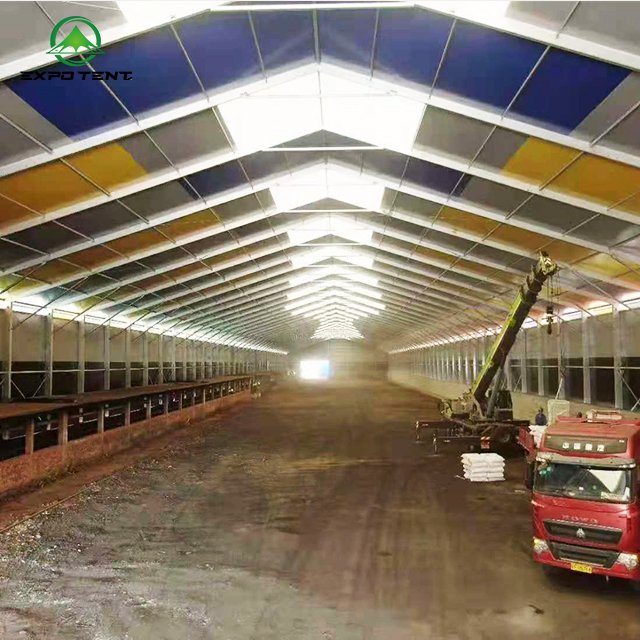
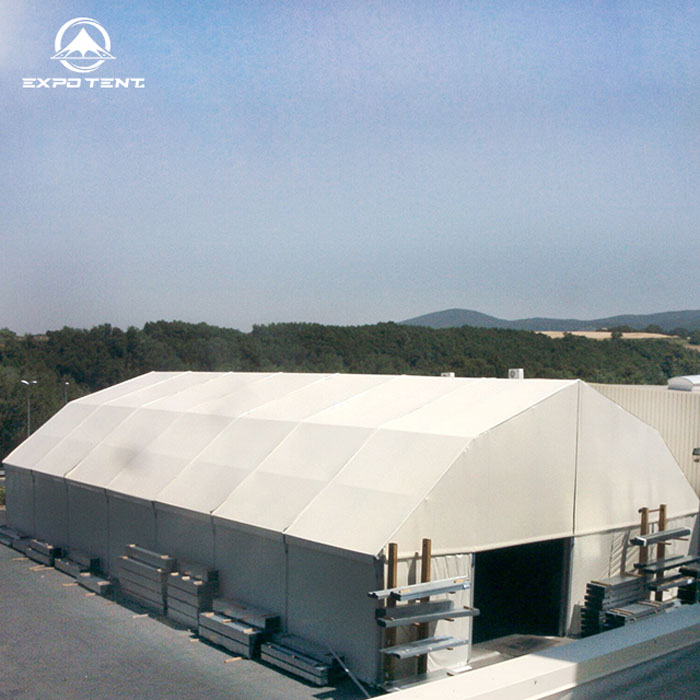
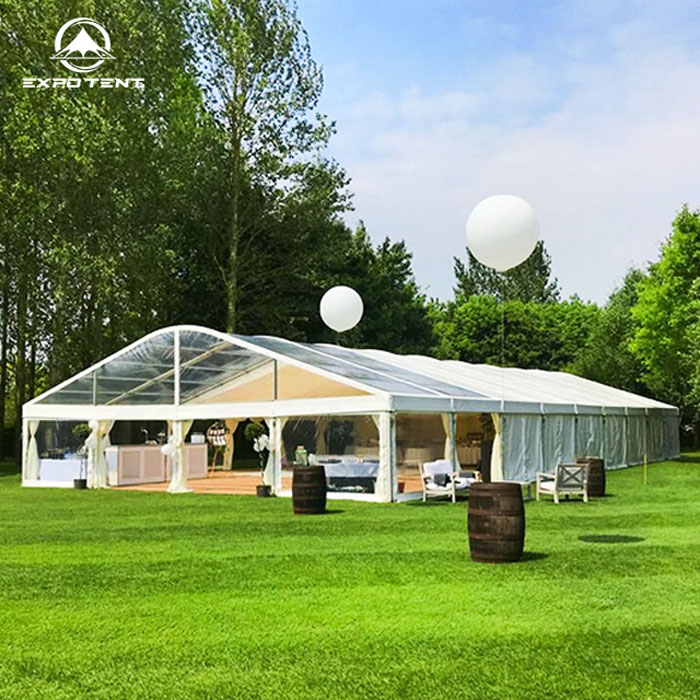
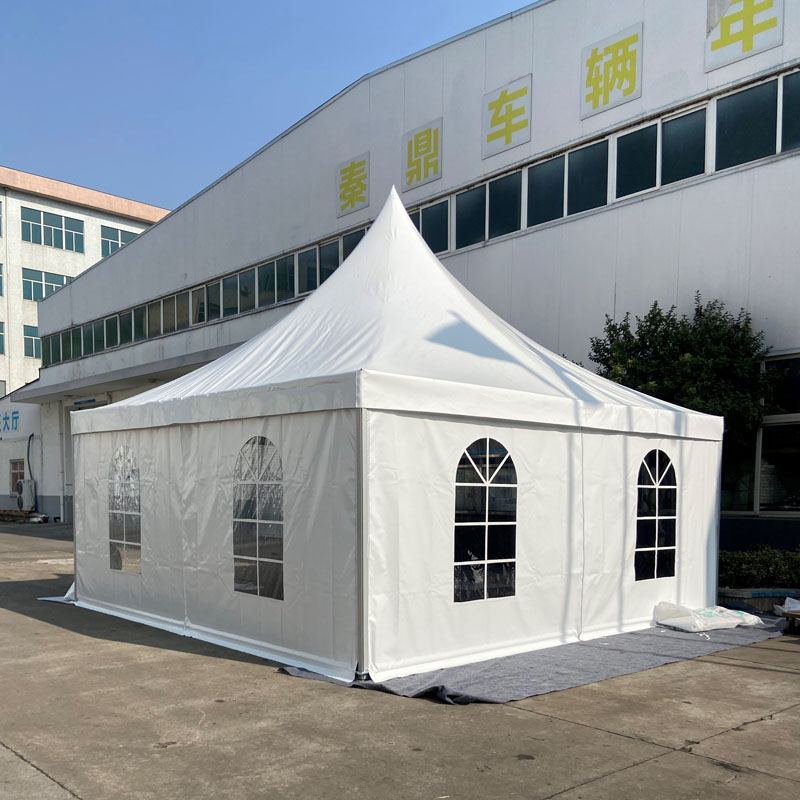
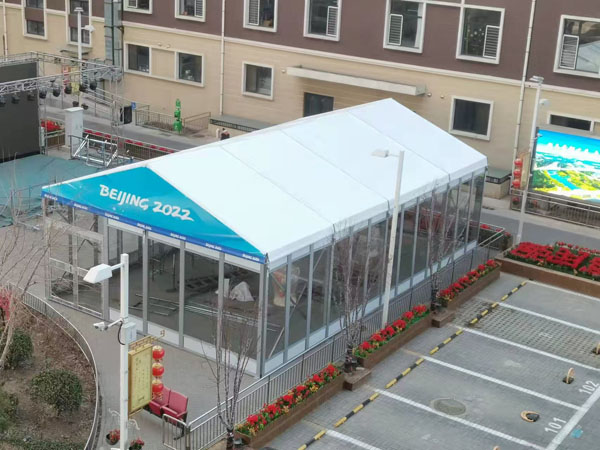
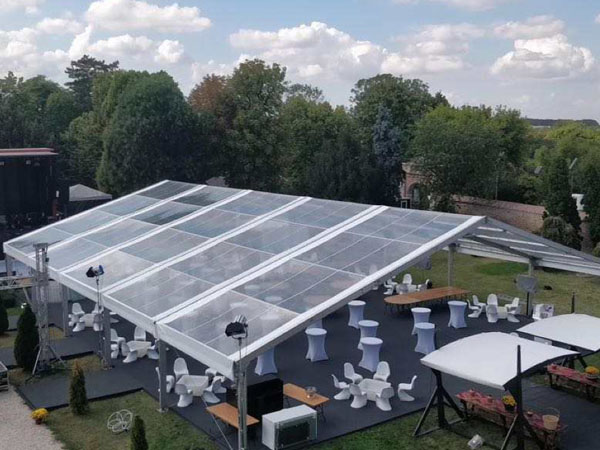
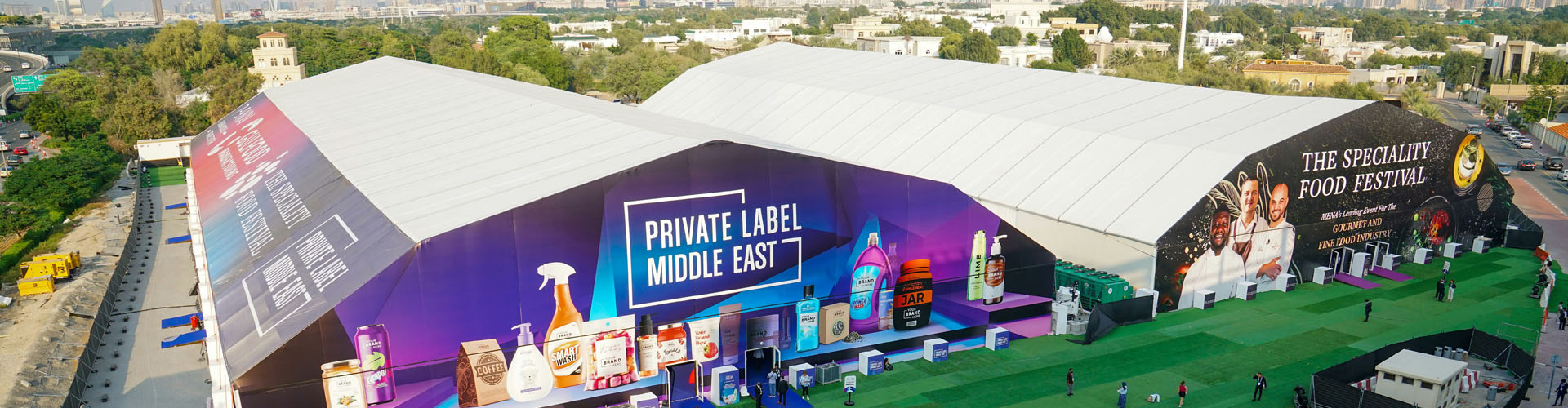
Expo Tent is a marquee manufacturer from china, marquee tents have become indispensable temporary shelter solutions for various outdoor activities, featuring diverse types, flexible customization, and outstanding practical advantages. Fully customizable to meet personalized demands, these tents support adjustable sizes, diverse color schemes, printed brand logos, and matched functional accessories like transparent windows, insulated linings, and waterproof sidewalls, perfectly adapting to weddings, trade shows, sports events, and corporate gatherings. Beyond flexible design, they boast remarkable strengths: premium waterproof, UV-resistant and flame-retardant materials ensure stable performance in changing weather, while lightweight aluminum frames enable quick assembly, disassembly and convenient transportation. With spacious unobstructed interior, excellent durability and cost-effectiveness, marquee tent delivers reliable, flexible and economical temporary space solutions for both commercial and personal outdoor scenarios.