
 Global
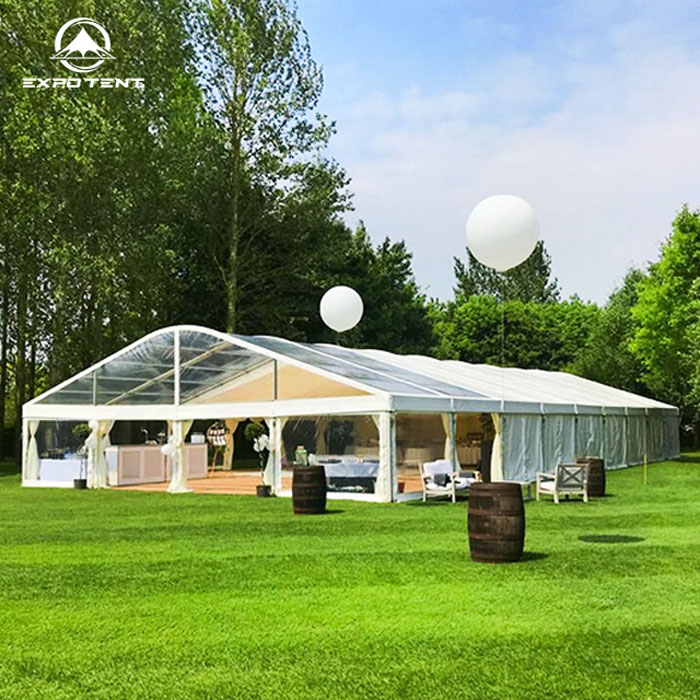
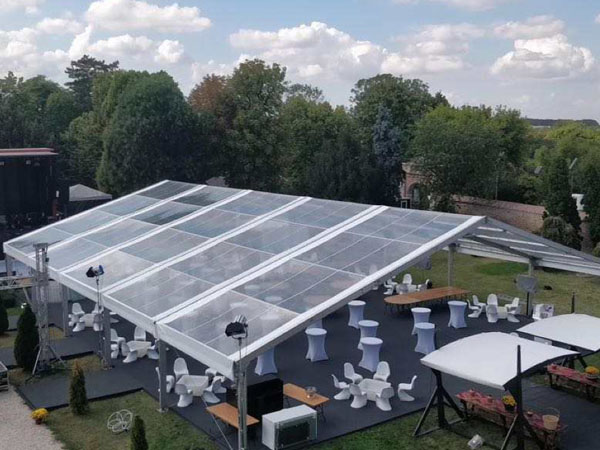
Clear marquee tents for outdoor wedding parties. Luxury transparent marquees with aluminum frame, waterproof & spacious. Stunning garden wedding venue, panoramic views.
Clear marquees and tents have steadily become one of the most beloved choices for couples planning an outdoor wedding party, blending the freedom of an open-air celebration with the reliable shelter that keeps the day steady no matter what weather may bring. Unlike solid-sided tents that create a closed-off room feeling, transparent marquee walls and roofs maintain an unbroken visual connection between guests and the natural landscape surrounding the venue. When set up across a lawn, beside a quiet lake, or tucked between mature trees, these structures frame rolling greenery, blooming flower beds, soft sunset skies, or twinkling evening stars as living, ever-changing backdrops for vows, dinner, and dancing. Guests can sit at their dining tables and watch clouds drift overhead during the meal, then see the first stars emerge once daylight fades, all while staying protected from light rain, gusty wind, or harsh midday sunlight. This seamless merge of indoor comfort and outdoor atmosphere solves one of the biggest worries for anyone hosting events outside. Many couples dream of an outdoor wedding because they want to celebrate within nature, yet fear sudden weather shifts could ruin carefully laid plans. Clear marquees answer that dilemma perfectly. They do not hide the environment; instead, they wrap the celebration within it. The transparent material catches natural light beautifully through every hour of the day. Morning light filters gently through the top without creating the dim, shadowy space common in traditional fabric tents. As the afternoon moves toward evening, golden sunset rays pour across tables, floral arrangements, and guest faces, producing soft, warm tones that shine in photographs. Long after the sun goes down, string lights hung along the internal frame glow through the clear panels, making the tent look like a glowing lantern from outside. Every detail of the wedding decor gains extra depth when paired with this open visual style. Floral installations, drapery, candle centerpieces, and place settings do not compete against heavy tent fabric; they complement the natural view visible all around. Even simple decor choices feel more luxurious when framed by clear walls and roof. The versatility of these tents also extends to layout design, allowing wedding planners to shape the interior space to fit unique party flow. One section can hold the ceremony seating for vows, another can host long dining tables for the reception, and a separate open zone can be reserved for a dance floor, bar station, and lounge seating. Support frames create anchor points for hanging decor, lighting, and greenery, so couples can tailor the interior to match their wedding aesthetic, whether it leans minimalist, romantic, rustic, or glamorous. There is no need to compromise between a spacious party area and the scenic views that drew people to the outdoor location in the first place.
The construction and material quality of clear marquees and tents play a vital role in delivering a secure and pleasant experience for everyone attending an outdoor wedding party. The transparent panels used for walls and roof are designed to withstand typical outdoor conditions, balancing clarity with durability to maintain visibility while holding up against wind and light precipitation. The rigid frame system forms a strong, stable skeleton for the entire structure, distributing weight evenly across each support post and cross beam. This framework is assembled piece by piece on site, adjusted carefully to sit level on uneven ground such as grassy slopes or packed earth, so the finished tent remains secure and stable throughout the whole event. Unlike lightweight pop-up shelters built for short casual gatherings, marquee frames are engineered to stay steady for extended hours, supporting hanging lighting, floral displays, and other decor without sagging or shifting. The clear covering material resists tearing and does not easily cloud over after exposure to sunlight, keeping the bright, open aesthetic consistent from the start of the wedding until the final guest departs. Careful sealing at every seam between panels prevents water from dripping into the interior during light rain, eliminating the risk of puddles forming on the dance floor or dining surfaces. When temperatures rise, partial side panels can be rolled up or fully removed to let fresh cross breezes flow through the space. This adjustable ventilation keeps air circulating and prevents the interior from growing stuffy, even on warm afternoons. On cooler evenings, the side panels can be lowered and secured to trap warmth inside, working well alongside portable heating units placed around the perimeter of the tent. This flexibility makes clear marquees suitable for events held across different seasons. Even on days with mixed weather, hosts retain control over the comfort level inside the venue. Installing these structures requires careful site assessment before assembly begins. The team setting up the marquee will examine the ground surface, check overhead obstacles such as tree branches, and map out access routes to ensure there is enough room for the full footprint of the tent plus extra space for walkways and catering equipment. Ground anchoring methods adapt to the surface type, using stakes for grassy areas and weighted base plates for hard paved surfaces where stakes cannot be driven into the ground. Proper anchoring is essential to maintain stability during unexpected wind bursts. Every connection point is checked and tightened during setup, and a final inspection is completed before any decor or furniture is moved inside. This thorough process reduces the chance of structural issues arising on the wedding day. Guests rarely notice the careful engineering behind the marquee, as their attention stays focused on the scenery, the couple, and the celebration. Yet every element of the build exists to protect the party while preserving the magical open-air feeling that makes outdoor weddings so special.
Decorating within a clear marquee for an outdoor wedding party opens up countless creative possibilities that differ greatly from decorating inside a traditional enclosed venue or fabric tent. Because the walls and roof are transparent, decor choices work in harmony with the natural scenery rather than covering it up. Many couples choose delicate, light-focused decorations that enhance the view without overwhelming it. Strands of fairy lights, pendant lamps, and lanterns hung from the internal frame cast soft, diffused light once dusk arrives. These lights shine outward through the clear panels, turning the marquee into a radiant focal point within the landscape. Greenery installations, including climbing vines, leafy garlands, and suspended floral hoops, can be mounted along the support beams. The leaves and blooms stand out beautifully against the backdrop of sky and trees visible through the roof, blending man-made decor with nature seamlessly. Tabletop arrangements often follow a lighter design approach, using slender vases, loose stemmed flowers, and low candle holders that do not block guests’ sightlines to the surrounding scenery. Heavy, tall centerpieces that would work inside a banquet hall can obstruct views in a clear marquee, so many designers opt for airy arrangements that leave the panoramic view unobstructed. Fabric drapery is another popular decorative element. Soft sheer fabric can be draped between support posts, creating gentle layers that add romance without blocking light or visibility. The drapery flows softly when the breeze passes through open side panels, adding subtle movement to the space. Some couples add custom signage, welcome arches, and lounge furniture near the entrance of the marquee to set the tone as guests arrive. Floor decor can include runner rugs, lanterns lining walkways, and scattered petals that lead guests from the parking area to the main tent space. Colour palettes tend to lean toward soft neutrals, muted earth tones, and gentle pastels that complement natural outdoor colours. Bold, saturated colours can still be used as small accent details, but large blocks of strong colour often compete with the natural scenery seen through the clear walls. Lighting design requires thoughtful planning, because natural daylight changes continuously throughout the wedding. Morning light is bright and cool, afternoon sunlight turns warm and golden, and night relies entirely on artificial lighting. Placing light sources at varying heights creates depth. Low lighting near tables keeps dining areas intimate, while overhead lighting defines the dance floor and bar area. Care is taken to avoid overly bright spotlights that wash out the view of the night sky. Decorators also plan for reflections on the clear panels, positioning candles and lights so their reflections add atmosphere rather than creating distracting glares for guests and photographers. Every decorative decision builds toward one goal: honouring the natural setting while crafting a refined, romantic environment for the wedding celebration.
Guest experience sits at the centre of any wedding planning process, and a clear marquee shapes how attendees feel from the moment they arrive until the end of the outdoor wedding party. Upon approaching the venue, visitors first catch sight of the translucent structure glowing against the landscape, which immediately sets a whimsical, celebratory mood. Walking into the marquee feels different from stepping into a regular hall. Guests still sense they are outside, hearing birds, rustling leaves, and distant natural sounds, while enjoying the comfort of a defined, sheltered space. This unique sensory mix creates memorable moments that guests often talk about long after the wedding ends. Seating arrangements can be laid out in many configurations. Long family-style dining tables encourage conversation between guests, while round tables offer a more traditional reception layout. Wide aisles between tables ensure easy movement for serving staff, guests, and anyone moving toward the dance floor or restroom stations. The open visual space helps prevent the feeling of overcrowding, even when a large number of people are gathered inside. High ceilings within the marquee amplify this sense of spaciousness, so guests do not feel cramped or closed in. Climate control adjustments directly impact comfort. When side panels are rolled up, fresh air circulates freely, reducing stuffiness during warm weather. If the temperature drops after sunset, portable heating elements placed around the edges create pockets of gentle warmth without blocking views. Catering operations can be arranged either within a designated section of the main marquee or in a smaller attached auxiliary tent. Having a dedicated catering zone keeps food preparation, dish storage, and server traffic separate from dining and dancing areas, maintaining a neat atmosphere for guests. Accessibility is also considered when laying out the marquee space. Smooth flooring options can be added over grass or uneven ground to create stable walkways, making movement easier for elderly guests or anyone wearing formal footwear. Entry points are kept wide and clearly defined, so guests can move in and out without congestion. Rest areas with comfortable seating can be placed in quieter corners of the marquee, offering a spot for guests to step away from loud music and conversation for a short break. The sound environment also benefits from the marquee design. While the transparent panels do not fully block ambient outdoor noise, the frame and covering help contain music and speeches within the main celebration zone. Audio teams can adjust speaker placement to ensure vows, toasts, and music are heard clearly inside without overwhelming nearby natural surroundings. Photographers and videographers appreciate the consistent natural light provided by the clear roof, which produces soft, flattering images throughout the day. Guests themselves often enjoy taking photos against the living backdrop visible through the tent walls, capturing pictures that feel immersive and authentic. All these small comfort details combine to make the wedding experience warm, relaxed, and immersive for every attendee.
Weather preparedness is one of the key reasons couples select clear marquees and tents for their outdoor wedding party, as these structures offer flexible protection against common outdoor weather challenges without sacrificing the appeal of an open-air event. Many couples dream of holding their wedding outside, yet unpredictable weather remains the biggest source of anxiety. A sudden light rain shower, strong midday sun, or cool evening breeze can quickly disrupt an unprotected outdoor gathering. Clear marquees create a buffer zone between the celebration and changing weather conditions. The clear roof keeps rain from falling onto guests, tables, food, and delicate floral decor. As rain taps gently on the transparent covering, the sound creates a soothing ambient effect rather than ruining the event. Guests can watch raindrops slide down the panels while remaining dry and comfortable inside. Direct sunlight is also managed well. The transparent material filters harsh direct rays, softening bright sunlight to prevent guests from squinting during the ceremony or becoming overheated at their tables. On intensely sunny days, side panels can be partially closed or sheer linings can be added to reduce glare. Wind management is built into the marquee’s design. The sturdy frame and secure anchoring system resist moderate wind, and side panels can be lowered to block wind gusts that might blow napkins, place cards, or lightweight decor across the space. At the same time, panels can be raised when wind is mild to maintain airflow. Planning for weather means preparing multiple configurations of the tent before the event. Event teams will map out which panels stay open, which can be quickly secured, and where heating or cooling accessories will be positioned if conditions shift. This adaptable setup allows quick adjustments on the day of the wedding. Unlike a fixed building, the marquee can respond to weather in real time. If the morning is calm and sunny, most side panels stay open to embrace the outdoor air. If clouds roll in and rain begins, staff can fasten the loose panels in a short time to seal the space. Temperature changes through the evening are also easy to accommodate. As the sun sets and air cools, heating units can be activated to maintain a pleasant temperature inside. For hotter seasons, portable fans can be positioned near open panel openings to pull fresh outdoor air into the marquee. Even in humid conditions, good ventilation helps prevent condensation from forming heavily on the inner surface of the clear panels. Proper slope of the roof design ensures water runs off the exterior instead of pooling. All these features reduce the risk that weather will spoil carefully planned wedding moments. Couples gain peace of mind knowing their celebration can proceed as scheduled, whether the day brings bright sunshine, scattered showers, or cool evening air, while still retaining the beautiful outdoor atmosphere they imagined for their wedding day.
Lighting strategy within a clear marquee transforms the atmosphere of an outdoor wedding party dramatically as daylight transitions from bright morning sunshine through golden sunset and into deep night. Natural light is the primary light source during daytime hours, pouring through the clear roof and walls to fill the space with soft, even illumination. Unlike fabric tents that absorb light and create darker interiors, transparent marquees let daylight flood the entire area, minimizing the need for artificial lighting during the ceremony and daytime reception. Photographers benefit greatly from this consistent natural light, as it creates gentle shadows and balanced exposure for portraits, group shots, and candid moments between guests. As the sun begins to set, natural light fades gradually, and artificial lighting takes over to craft a romantic mood. String lights are among the most popular choices, strung along the horizontal beams of the marquee frame. Tiny bulbs cast a warm, gentle glow that reflects softly on the clear panels, creating a shimmering effect across the whole space. Pendant lights with fabric or glass shades can hang above dining tables to focus light on place settings and centerpieces, making meals feel intimate. Floor lanterns and uplights placed along the base of support posts add depth by washing soft colour onto the frame and surrounding interior surfaces. Candlelight, whether real flame or battery-operated alternatives, brings subtle warmth to table tops. Care must be taken with open flame sources near fabric decor, so many couples opt for realistic battery candles to capture the same gentle glow without risk. Lighting designers avoid overly bright commercial lighting, which can wash out the view of the night sky visible through the roof. The goal is to balance enough light for guests to eat, talk, dance, and read place cards while keeping the atmosphere soft and magical. One unique feature of clear marquee lighting is the dual effect it creates. Inside, the lights define the wedding space; outside, the glow shines through the transparent walls, turning the tent into a luminous landmark within the landscape. Guests standing outside the marquee can see the celebration glowing from afar, while guests inside can look up to see the moon and stars alongside the hanging lights. Lighting also helps shape different zones within the marquee. The ceremony area can have softer, focused lighting for vows, dining zones use warm moderate lighting, and the dance floor can feature more dynamic lighting options once the party begins. Bar and lounge corners can use dimmer ambient lighting to create relaxed conversation spaces. Reflections on the clear material require careful planning. Strong point light sources can create bright mirrored spots on the panels, so lights are positioned at angles to minimize harsh glare. Lighting plans are usually tested during the setup phase before the wedding day. This trial run allows the team to adjust brightness levels, fix uneven lighting, and check how the lights interact with the natural sunset and night view. A thoughtfully designed lighting scheme turns a simple shelter into an immersive romantic environment, evolving in tone hour by hour to match the rhythm of the wedding celebration.
Logistics and site planning for a clear marquee outdoor wedding party demand careful attention to space, access, and surrounding elements long before the wedding date arrives. Selecting the right location is the first critical step. The ground beneath the marquee needs enough room for the full footprint of the structure, plus extra space around the perimeter for walkways, catering vehicles, storage, portable restrooms, and guest parking. Site planners evaluate terrain carefully. Gentle slopes can be accommodated with levelling adjustments during frame assembly, but steeper inclines may not be suitable. Low-lying areas prone to pooling water after rain are avoided whenever possible, to keep the space dry. Overhead hazards such as low tree branches, power lines, and overhead foliage must be checked, because the marquee frame and hanging decor require unobstructed vertical space. Access routes for delivery vehicles are also assessed. Trucks carrying frame components, panels, furniture, and decor need a clear path to the setup area. Narrow gateways, muddy tracks, or tight turns can slow down delivery and assembly work. Once the location is confirmed, the layout is mapped out to separate functional zones. The main marquee may contain ceremony seating, dining tables, dance floor, and bar. Smaller connected or adjacent tents can be used for catering prep, storage, or a quiet bridal suite for the couple to prepare before the ceremony. Walkways connect these zones, and pathways are marked to guide guests from parking areas to the main entrance. Flooring choices are considered based on ground conditions. Natural grass can remain exposed inside the marquee, but temporary floor panels can be laid to create a smoother surface, protecting lawns from heavy foot traffic and offering more stable footing for guests in formal shoes. Waste management plans are arranged to keep the space tidy throughout the event. Collection points for trash and recycling are placed discreetly outside the main guest area, with scheduled removal to prevent overflow. Power supply is another essential logistical consideration. Lighting, audio equipment, refrigeration for catering, and heating or fan units all require reliable power. Generators are often used for outdoor sites without permanent power connections, and they are positioned far enough from the marquee to reduce noise and keep exhaust away from guests. Cable routes are planned and secured to prevent trip hazards, with cables covered by protective ramps across walkways. Timing for setup and breakdown is scheduled meticulously. Assembly of the marquee, frame installation, panel fitting, anchoring, and flooring work takes a set number of hours or days before the wedding. Decor installation, furniture placement, and lighting testing happen after the marquee structure is complete. After the celebration ends, the space is cleared, furniture removed, panels taken down, frames disassembled, and the site restored to its original condition. This full timeline must account for delays that may arise from wet ground or limited daylight. Good site planning ensures every practical detail works smoothly in the background, so the couple and their guests can focus entirely on celebrating without distraction from logistical issues.
Sustainability considerations are increasingly important for couples planning an outdoor wedding party in a clear marquee, as many wish to reduce the environmental footprint of their celebration while retaining a beautiful, memorable event. The clear marquee itself supports more sustainable choices in several ways. Since the structure is reusable, it avoids the waste created by single-use event structures that are discarded after one gathering. The frame and panels are transported, assembled, disassembled, and reused for many different events over multiple years. This repeated use greatly lowers the material waste compared to disposable event enclosures. The ability to host the wedding in a natural outdoor location can also reduce the need for extensive interior construction or permanent venue modifications. Couples can choose to work with the existing landscape instead of building elaborate permanent backdrops. Natural light maximized by transparent walls and roof cuts down on electricity usage during daytime portions of the wedding. Less artificial lighting is needed while the sun is up, lowering energy consumption for the event. When artificial lighting is required, low-energy light sources can be selected to further reduce power draw. Many couples also align their decor choices with sustainable goals when decorating inside the clear marquee. Locally grown flowers and greenery reduce emissions from long-distance transportation. Seasonal blooms mean floral materials require fewer artificial growing resources. Couples may opt for potted plants that can be replanted after the wedding instead of cut flowers that will quickly wilt. Decor items can be rented rather than purchased new, including furniture, linens, lanterns, and tableware. Rental decor circulates between events and avoids creating waste after the celebration ends. Disposable single-use plastics can be minimized by using reusable glassware, plates, and cutlery for the meal service. Food waste planning is another component. Working closely with caterers to estimate guest numbers accurately reduces excess food. Leftover food can be arranged to be donated where local options allow, rather than thrown away. Site protection is a key part of sustainable marquee weddings. Temporary flooring protects grass and soil from compaction and damage caused by heavy foot traffic. Careful anchoring methods avoid permanent digging or landscape alteration. After the event, the site is cleaned thoroughly, all debris is removed, and the land is returned to its pre-event condition. No permanent changes remain behind. Couples can also reduce travel emissions by selecting a venue that minimizes long journeys for guests, or arranging shared transport options to the marquee site. Even small choices add up. Using digital invitations instead of printed cards, choosing biodegradable confetti or petal alternatives, and avoiding excessive decorative items that serve only one purpose all contribute to lighter environmental impact. A clear marquee does not automatically make a wedding sustainable, but it creates a flexible platform for eco-conscious decisions. It allows couples to celebrate immersed in nature while respecting that natural environment, creating a joyful day that honours both their love and the world around them.
Capturing memories during an outdoor wedding party held within a clear marquee creates unique photographic and video opportunities that stand apart from celebrations in traditional indoor venues. The transparent nature of the marquee removes visual barriers between the couple, guests, and the surrounding landscape, so every image incorporates the beauty of the outdoor setting. During the ceremony, photographers can frame shots of vows with trees, hills, or sunset skies visible through the roof and walls. Candid moments of guests laughing, cheering, and sharing toasts are captured with natural scenery in the background, rather than plain walls or ceiling panels. The shifting natural light throughout the day creates a sequence of distinct looks. Morning light is bright and crisp, ideal for wide shots of the full marquee set against the landscape. Late afternoon golden hour casts warm soft light through the clear panels, creating gentle highlights on skin, wedding dresses, suits, and floral arrangements. Once dusk arrives, the interior lighting glows through the marquee walls, producing striking wide-angle images of the lit tent against darkening skies. Photographers can move between inside and outside the marquee to capture contrasting perspectives. Inside shots focus on intimate moments between the couple and guests, while exterior shots showcase the glowing marquee sitting within the natural landscape. Reflections on the clear panels can be used creatively by skilled image creators. Soft reflections of string lights and candlelight add subtle layers to portraits, though care is taken to avoid harsh reflections that obscure subjects. Video footage also benefits from the immersive environment. The microphone picks up gentle ambient outdoor sounds, such as wind in leaves or distant birds, mixed with speeches, music, and laughter. These natural audio details add texture to wedding films, making the recording feel alive and rooted in the place where the celebration occurred. Different zones inside the marquee offer varied backdrops. The ceremony space with the view of trees works for formal portraits, the dining area with lit tables captures reception atmosphere, and the dance floor with lighting captures lively party moments. Even transitional moments, such as the couple walking from one area of the marquee to another, become beautiful shots framed by the clear walls and outdoor scenery. Photographers often plan shooting schedules around the movement of the sun. They identify the best times for couple portraits, group photos, and detail shots of rings, stationery, and floral decor. Detail photographs of table settings, place cards, and centerpieces gain depth with faint glimpses of the landscape visible in the background. Couples frequently comment that their wedding photos feel immersive and timeless, because the images preserve not just the people at the event, but also the atmosphere and natural beauty of the day. The clear marquee acts as more than shelter; it functions as a living, evolving backdrop for every memory captured during the wedding celebration.
As the final moments of an outdoor wedding party unfold inside a clear marquee, the structure continues to hold the warmth and joy of the celebration, marking the end of a day filled with meaningful moments. After the last dance, final toasts, and goodbyes between guests, the marquee still stands framed by the night landscape, its interior lights glowing softly through the transparent panels. For the couple, the clear marquee represents the space where they exchanged vows, shared a meal with loved ones, and danced beneath a view of stars and hanging lights. It balances the intimacy of a gathered celebration with the vast beauty of the outdoors, making the day feel both personal and grand. Many couples reflect afterward that the ability to see nature all around them while staying sheltered made their wedding feel uniquely theirs. Unlike a fixed banquet hall, the marquee is a temporary space built only for their celebration, placed within a landscape they chose for its personal meaning. Once the guests depart, the process of breaking down the marquee begins. Decor is carefully packed, furniture removed, lighting equipment taken down, and the clear panels unfastened from the frame. The support structure is disassembled piece by piece, anchors are removed, and temporary flooring is lifted. Every part of the marquee is collected to be cleaned, inspected, and stored for future events. Once the site is fully cleared, the landscape returns to its normal appearance, leaving no permanent trace of the wedding. This temporary quality carries a poetic weight. The beautiful space built for one single day vanishes, yet the memories made inside persist in photographs, videos, and the stories shared by everyone who attended. The clear marquee’s greatest strength lies in its ability to bring people together within nature without forcing them to accept the risks and discomforts of a fully open-air event. It offers shelter, flexible layout options, beautiful lighting opportunities, and a seamless connection to the surrounding scenery. It adapts to weather, seasons, decor styles, and guest needs, making it suitable for intimate gatherings and larger wedding parties alike. Couples who choose this style of tent often seek a wedding that feels authentic, romantic, and deeply connected to the natural world. The clear marquee does not compete with that natural world. It simply creates a gentle, temporary boundary where family and friends can gather to witness love, celebrate connection, and enjoy a wedding experience that blends the comfort of a curated event with the breathtaking beauty of the outdoors. Long after the tent is taken down and the day ends, the feeling of celebrating under the open sky, protected within walls of clear material, remains a cherished part of the wedding story for the couple and all who joined their special day.
Expo Tent is a marquee manufacturer from china, marquee tents have become indispensable temporary shelter solutions for various outdoor activities, featuring diverse types, flexible customization, and outstanding practical advantages. Fully customizable to meet personalized demands, these tents support adjustable sizes, diverse color schemes, printed brand logos, and matched functional accessories like transparent windows, insulated linings, and waterproof sidewalls, perfectly adapting to weddings, trade shows, sports events, and corporate gatherings. Beyond flexible design, they boast remarkable strengths: premium waterproof, UV-resistant and flame-retardant materials ensure stable performance in changing weather, while lightweight aluminum frames enable quick assembly, disassembly and convenient transportation. With spacious unobstructed interior, excellent durability and cost-effectiveness, marquee tent delivers reliable, flexible and economical temporary space solutions for both commercial and personal outdoor scenarios.