
 Global
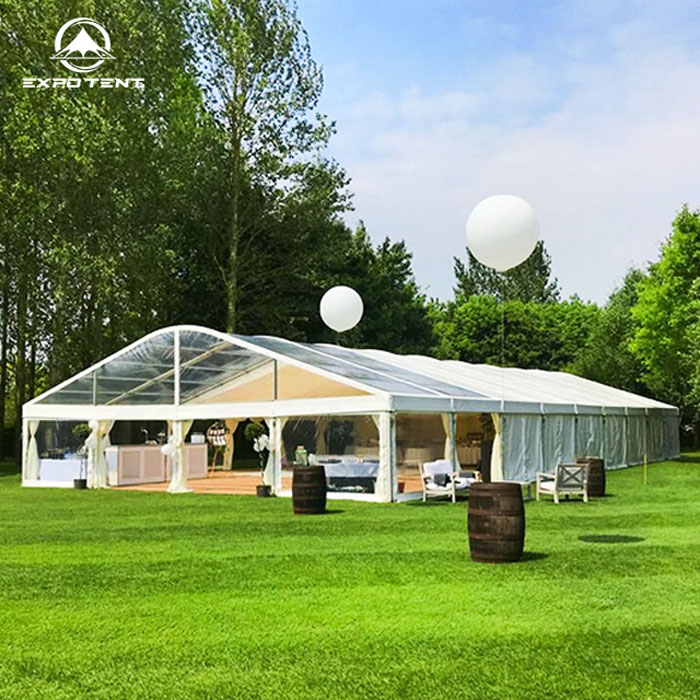
Clear transparent tent designed to blend shelter and scenery. Transparent panels deliver bright interiors, reduced fogging and balanced airflow for relaxing outdoor events and nature-focused experiences.
Clear tent transparent fabric stands apart from conventional tent materials by prioritizing unobstructed sightlines while retaining the basic protective functions people seek from temporary shelter. Unlike opaque canvas or thick synthetic weaves that wrap occupants in a closed, isolated space, this material lets natural light flow through its surface with gentle consistency, softening harsh midday sunlight instead of blocking it entirely. When set up in an open meadow, beside a quiet lake, or beneath a stand of tall trees, the barrier between the people inside the tent and the world outside feels thin and unimposing. Every shift of cloud across the sky, every bird gliding past the treetops, every slow ripple moving across the surface of nearby water remains visible without the need to unzip flaps or push open windows. The sense of confinement that often settles over anyone staying inside a regular tent fades away, replaced by a feeling of being immersed in the surrounding scenery while still holding a defined, private space of one’s own. Even as the light changes through the day, from the warm glow of early morning sunrise to the muted tones of late dusk, the transparent surface diffuses illumination evenly, so shadows do not pool sharply in corners and the interior never feels dim or cramped. It is important to understand that this transparency does not equal full invisibility; the material still carries subtle texture and light refraction, so outlines inside remain partially obscured from outside viewers, preserving a quiet measure of privacy that balances openness and seclusion. Many people first choose this style of tent simply for this unique visual quality, drawn to the chance to rest, eat, or converse while keeping the full landscape continuously in view, rather than only catching glimpses through small mesh screens or narrow door openings.
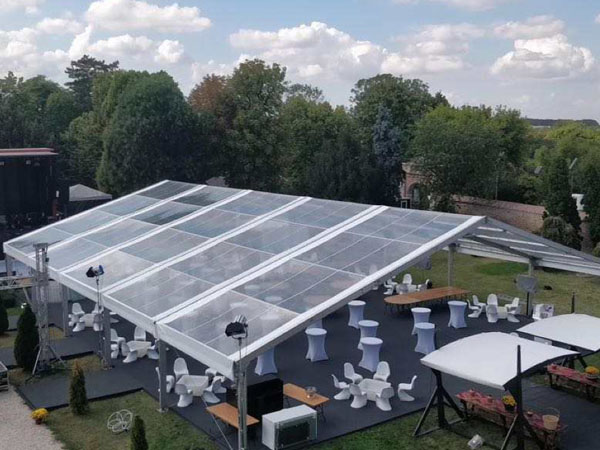
The structural design of a clear transparent tent relies on carefully balanced tension between the fabric panels and the supporting frame, ensuring the see-through material does not sag, warp, or tear under normal environmental pressure. Each panel is cut and joined to distribute stress evenly across the whole surface, avoiding concentrated points where wind or light contact could create rips or permanent creases. The seams that connect separate transparent sections are sealed thoroughly to maintain the material’s core protective traits, and they are positioned thoughtfully so they do not create thick, distracting lines that break the continuous view outward. The supporting frame holds the fabric taut without pulling so tightly that it distorts clarity, a fine balance that makers refine through repeated testing in varied outdoor settings. When light wind presses against the tent walls, the material flexes gently rather than vibrating loudly, which keeps the space inside calmer and less noisy than thinner plastic sheeting that flutters sharply with every breeze. The shape of the tent itself also supports performance; curved surfaces help guide wind around the structure instead of letting it push directly against flat panels, reducing strain on both fabric and frame. The base of the transparent walls connects securely to a solid floor layer, preventing gaps that could let in moisture, dust, or small crawling creatures while keeping the clean, seamless visual flow from ground to roof. Setting up the tent follows familiar tent assembly logic, though extra care is needed during stretching and fastening, because sharp folds or uneven tension can leave lasting marks on the transparent surface that dull its clarity over time. With careful handling, the structure maintains its shape and transparency across many setup and takedown cycles, holding its form reliably as long as users avoid sharp objects and excessive force during installation.
Weather resistance forms a central part of what makes a transparent tent usable across different outdoor conditions, even though its clear surface behaves differently from traditional coated tent fabrics. The material is engineered to repel liquid water, causing rain droplets to bead up and slide down the exterior instead of soaking into the weave and dripping inward. During light to moderate rainfall, the interior stays dry, and the view of raindrops tracing paths across the clear walls creates a quiet, immersive experience that many users find deeply calming. The surface also resists light condensation buildup when ventilation is managed properly, though rapid swings between warm interior air and cool outside air can leave a thin mist across the panels. Simple airflow adjustments, such as opening designated vent points, help reduce this fogging effect and return the fabric to its fully clear state quickly. The outer layer resists fading from prolonged sun exposure, slowing the gradual yellowing or clouding that affects low-grade clear plastics after repeated UV exposure. It does not block all sunlight completely, but it filters out a portion of the harshest radiant heat, keeping the interior from heating up as rapidly as an unshaded open space would. In colder conditions, the transparent barrier slows direct wind chill, trapping a layer of still air between the outside atmosphere and the space within, which helps hold mild warmth inside. Heavy, sustained weather events still present limits, and the tent is not built to withstand prolonged pounding from severe storms, driving hail, or heavy snow accumulation, which can overload the frame and scratch or crack the transparent panels. Understanding these boundaries lets users pick suitable moments and locations to deploy the tent, matching its strengths to gentle and moderate weather for the best experience.
Ventilation systems integrated into clear transparent tents address one of the most common concerns with enclosed see-through structures: trapped air, humidity, and stale atmosphere. Because the main fabric panels limit passive air exchange compared to mesh, intentional vent placements create controlled pathways for fresh air to circulate through the interior. Vents can sit near the roof peak and along lower wall sections, using natural convection to pull cooler outside air in from below and push warmer, moisture-laden air upward and out. This movement cuts down on interior fogging, preserves visibility through the walls, and keeps the air feeling fresh for groups gathered inside. Many vent openings are covered with fine mesh that stops insects from entering while still letting air pass freely, so users do not need to choose between airflow and protection from bugs. The vent covers can be partially or fully closed when wind picks up or rain begins, giving users flexible control over conditions inside the tent. Even with vents closed for a short time, the material itself allows for a tiny amount of gas exchange, enough to prevent fully stagnant air for brief periods, though extended closure will eventually lead to fog and stuffiness. When hosting gatherings, the circulation design matters especially, as multiple people together release more moisture and body heat, which would quickly cloud the transparent walls without steady airflow. Learning to adjust vents according to temperature, humidity, and the number of occupants becomes a small routine for anyone regularly using this tent style. Good ventilation also reduces the chance of mildew forming on surfaces, since trapped dampness is one of the main factors that degrade tent materials over extended storage and use.
Light transmission properties shape nearly every sensory experience inside a transparent tent, changing how people perceive time, space, and the surrounding natural world. The material transmits visible light at a steady rate, creating bright interiors during daytime without the stark, blinding glare that comes from sitting directly in open sunlight. Colors seen from inside remain true to life; green foliage, blue sky, and wildflower hues do not shift into distorted tones behind the clear barrier, unlike tinted or colored tent fabrics that cast everything inside a single uniform shade. At sunrise and sunset, soft golden light spills evenly through the walls, wrapping the interior in gentle warmth while users watch the sun move along the horizon. After darkness falls, the tent transforms again: faint outdoor light from moonlight, distant lanterns, or starlight passes inward, and interior lighting glows outward softly through the walls, creating a luminous, gentle silhouette without harsh brightness spilling in disruptive beams. Users often remark that time feels different inside, because they maintain constant visual contact with the changing sky, rather than losing track of daylight once they step into a dark fabric tent. This consistent connection to natural light cycles supports relaxed moods and reduces the disorientation that can come from spending hours cut off from daylight cues. At the same time, the material diffuses direct light so bright reflections do not bounce sharply into people’s eyes, making it comfortable to sit and gaze outward for long stretches without eye strain. Careful balancing of light flow is baked into the material makeup, avoiding the two extremes of overly dark shelter and unfiltered, uncomfortable direct sun exposure.
Cleaning and maintenance routines for transparent tent fabric differ from those for standard textile tents, because scratches, smudges, and residue show far more obviously on clear surfaces. Dirt, pollen, sap, and dried rain deposits leave dull marks that reduce transparency, so gentle cleaning becomes a regular part of care after each outdoor trip. Cleaning should use soft, non-abrasive cloths and mild, neutral cleaning agents mixed with clean water, applied with light wiping motions rather than hard scrubbing. Rough brushes, scouring pads, and harsh chemical cleaners can create micro-scratches across the surface, scattering light and leaving permanent cloudy patches that cannot be polished away. After wiping away grime, the surface needs to be rinsed lightly and left to air dry fully before folding or packing away. Drying in shaded areas is preferred; direct intense sun while the fabric is wet can accelerate surface degradation over repeated instances. When small spots of sticky tree sap or debris cling to the material, slow, damp soaking softens the substance so it lifts away without scraping. Storage also requires extra attention. The tent should never be folded with grit, sand, or small hard particles trapped between layers, because those particles grind against the transparent film as the fabric shifts in storage. It is best to lay the tent out completely dry, fold it loosely along existing seams and creases, and place it inside a breathable storage bag that keeps dust off while preventing trapped moisture. Sharp edges on storage containers or nearby gear should be kept separate to avoid accidental cuts. Following these simple habits preserves optical clarity and extends the usable life of the tent, keeping the bright, open view intact for many outings.
Setup and handling practices help users avoid accidental damage and get the clearest visual performance out of a transparent tent from the moment it is first unpacked. The ground beneath the tent needs preparation before layout, clearing away sharp rocks, broken twigs, thorny plant stems, and rough debris that could puncture the floor or scrape the lower transparent panels. Many users choose a smooth ground cover placed underneath for extra protection, though the cover must not push upward against the tent base with sharp edges. When unfolding the tent, movement should be slow and deliberate; yanking or jerking the fabric can create tiny tears or stretch sections unevenly, which distort the view and weaken material strength. Aligning the fabric openings with frame joints before applying tension prevents concentrated pulling on one small section of the transparent sheet. Once the frame is erected, adjustments happen incrementally, tightening each connection little by little to keep tension uniform across every panel. Guy lines, when included, distribute side loads and stabilize the tent in light wind, but they must attach to reinforced anchor points rather than directly onto thin clear fabric areas. During takedown, reversing these steps gently keeps stress low; releasing tension from the frame first removes pull from the fabric before folding begins. It is wise to inspect the surface for fresh scratches, nicks, or wet spots while packing up, so issues can be addressed before storage. New users often take a little longer to set up this tent compared to familiar fabric models, simply because they learn to prioritize protecting the delicate optical quality alongside securing the shelter structure. Over time, the process becomes intuitive, and users learn to read how much tension the clear material can safely hold.
The range of scenarios suited for a transparent tent stretches across leisure, gathering, and quiet personal retreat, shaped directly by its unique ability to blend shelter and sight. Small group gatherings in scenic locations benefit greatly, as everyone inside can converse and share food while collectively watching the landscape unfold around them. Garden events and seasonal outdoor gatherings use these tents to create a defined gathering zone that does not block views of planted beds, ponds, or surrounding trees. Quiet personal retreats, such as reading, sketching, or morning coffee routines, gain a special quality when the occupant stays sheltered from light wind and drizzle while remaining visually present within nature. Photography enthusiasts sometimes use the space as a comfortable waiting spot, able to stay protected while keeping an unbroken view toward wildlife or sunrise scenes without repeatedly stepping in and out of shelter. Creative practitioners find the soft, even light inside excellent for drawing, handcraft work, or arranging still-life compositions, as natural illumination reaches the workspace without the heavy shadowing common inside dark tents. These tents also work well for short daytime rest stops, offering a calm, bright place to pause during long walks or drives through scenic territory. They are less fitting for activities that generate flying debris, sharp equipment movement, or heavy physical activity that risks impact against the walls. The greatest satisfaction comes when the tent complements the setting rather than competing against it, forming a gentle boundary that offers shelter without creating a visual barrier between people and the environment they came to enjoy.
User experience inside a transparent tent carries an emotional quality that is hard to replicate in traditional enclosed shelter, rooted in the feeling of connected containment. Occupants feel protected from wind, light rain, and flying dust, yet they do not feel shut away from the outside world. The soundscape remains present too: rustling leaves, flowing water, bird calls, and distant breezes travel through the material more freely than through thick coated fabrics, keeping auditory connection alongside visual openness. Many people describe the feeling as like standing beneath a bubble of calm, held safely while the world continues moving all around. For those who feel claustrophobic in small, dark tents, this open visual field removes much of that unease, turning a temporary shelter into a soothing space. Groups often report softer, more relaxed conversations, because the shared view of clouds or wildlife creates natural pauses and moments of quiet observation between speech. Children inside frequently stay engaged with the outdoors, watching insects crawl past the walls or clouds drift overhead instead of growing restless in a closed space. At the same time, the tent still offers a sense of boundary; it marks a specific zone for the group, separating their space from the wider landscape and giving people a place to lay out belongings, sit, and gather. This balance of openness and boundedness is the core of its appeal. It does not erase the line between inside and outside, but it makes that line soft, permeable to sight and sound while still providing the practical shelter benefits people seek when they bring a tent outdoors.
Understanding the inherent limitations of transparent tent material lets users set realistic expectations and make thoughtful choices about when and where to use this shelter type. No transparent tent material can deliver perfect clarity forever; gradual fine abrasion from wind-blown sand, contact with vegetation, and repeated folding will slowly introduce faint haze over hundreds of uses. This change happens incrementally, and careful maintenance slows it significantly, but it cannot be eliminated entirely. The material is also more susceptible to permanent marks from certain substances, such as strong plant resins, harsh sunscreen drips, or petroleum-based products that can leave dull, indelible patches on the surface. Impact risks are higher than with heavy woven tent fabric; a sharp branch thrown by wind or a stray hard object can mar or pierce the clear panels more easily. Thermal performance has limits as well. While the tent blocks wind and holds still air, it is not engineered for extreme cold or intense, prolonged heat, and interior temperatures will still follow outdoor trends closely. Security against curious animals is moderate; the clear walls make movement inside visible to wildlife, and the material is not resistant to biting or clawing contact. Even with these considerations, the tent retains distinct value for users who prioritize immersive visual access above maximum ruggedness for harsh environments. Recognizing these traits allows users to treat the tent as a specialized shelter, selected deliberately for moments where watching the world unfold is just as important as staying dry and protected. When matched to the right setting and handled with mindful care, a clear transparent tent delivers a one-of-a-kind shelter experience that blends protection, light, and unobstructed connection with the surrounding world.
Expo Tent is a marquee manufacturer from china, marquee tents have become indispensable temporary shelter solutions for various outdoor activities, featuring diverse types, flexible customization, and outstanding practical advantages. Fully customizable to meet personalized demands, these tents support adjustable sizes, diverse color schemes, printed brand logos, and matched functional accessories like transparent windows, insulated linings, and waterproof sidewalls, perfectly adapting to weddings, trade shows, sports events, and corporate gatherings. Beyond flexible design, they boast remarkable strengths: premium waterproof, UV-resistant and flame-retardant materials ensure stable performance in changing weather, while lightweight aluminum frames enable quick assembly, disassembly and convenient transportation. With spacious unobstructed interior, excellent durability and cost-effectiveness, marquee tent delivers reliable, flexible and economical temporary space solutions for both commercial and personal outdoor scenarios.