
 Global
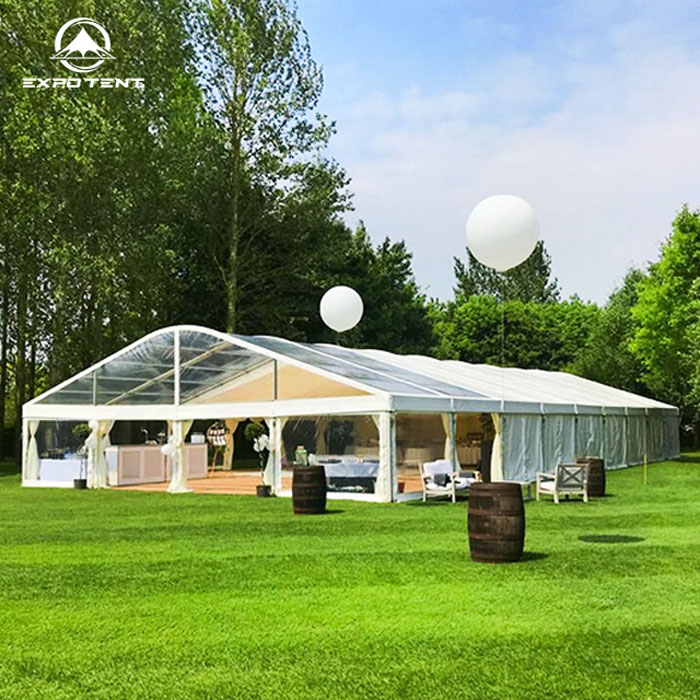
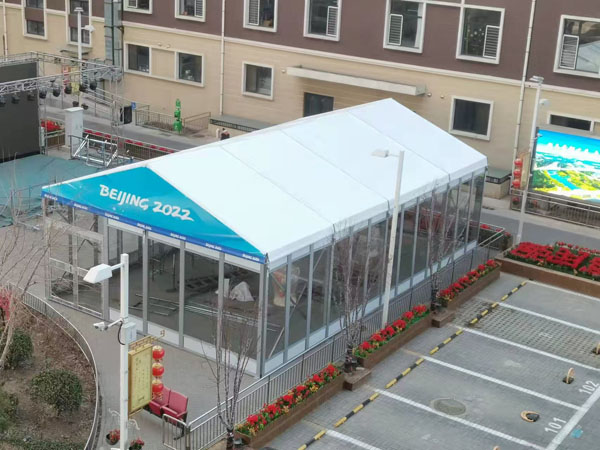
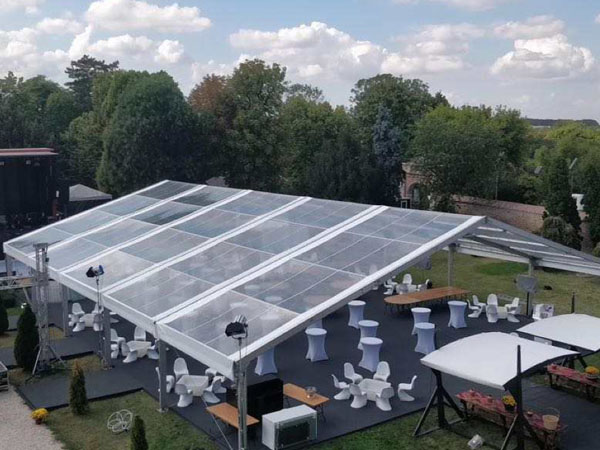
Premium Clear Top Tents for commercial events & big parties. Clear-span transparent marquees, waterproof & UV-resistant. Custom design for your venue.
Clear top tents stand apart from conventional shelter designs by centering transparent paneling as their defining feature, blending the practical need for weather protection with the quiet desire to remain connected to the surrounding natural world. Unlike fully opaque tents that wrap occupants in a closed, isolated space, these structures integrate clear, durable material across the roof and sometimes upper wall sections, allowing light to flow freely through the shelter at all hours of the day. In the early morning, soft sunlight filters through the clear surface, gently waking those inside without the harsh glare that can sneak through narrow mesh windows or unzipped tent flaps. As daylight fades, the same panels open up an unobstructed view of the sky, turning simple rest periods inside the tent into opportunities to watch drifting clouds, shifting twilight hues, and the slow emergence of stars above. This unique balance between enclosure and openness appeals to many people who love outdoor recreation but do not wish to feel cut off from the landscape they traveled to experience. Even during mild rain showers, occupants can sit comfortably beneath the clear top and observe raindrops trace slow paths across the surface, turning a weather delay into a calm, immersive moment rather than a frustrating confinement. The design does not sacrifice the core purpose of a tent, which is to create a safe, private zone away from wind, dew, and flying insects, but it redefines what that shelter can offer beyond basic protection. It speaks to a shift in outdoor preferences, where comfort is no longer measured only by dry ground and warmth, but also by the ability to witness the beauty of the environment without stepping outside into uncomfortable conditions. Many first-time users remark that the sensation inside feels far less claustrophobic than a standard tent, as the overhead transparency expands the perceived space and reduces the heavy, boxed-in feeling common with traditional fabric shelters. Careful shaping of the clear sections also prevents the material from sagging excessively under light loads, maintaining a steady, clean outline that preserves the view while keeping the interior reliably shielded from outside elements.
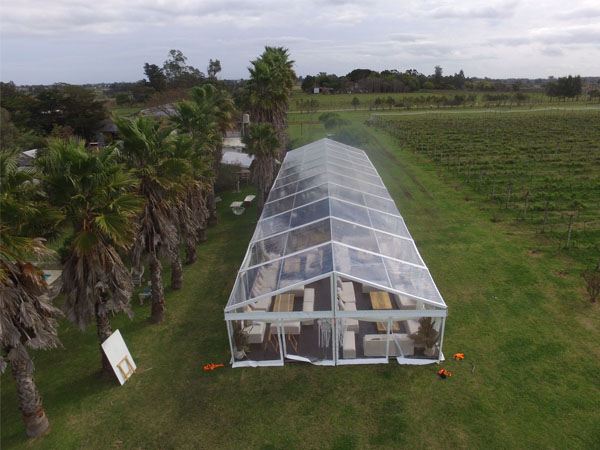
The materials used to form the clear sections of these tents are engineered to handle the varied stresses of outdoor use, balancing optical clarity with resilience against everyday wear and changing weather conditions. These transparent panels are chosen to resist scratches that might come from packing, brushing against tree branches, or accidental contact with hard camping gear, since fine abrasions would quickly cloud the surface and dim the view through the top. They are also formulated to withstand prolonged exposure to sunlight, resisting the slow yellowing and brittling that plagues many thin clear plastics left outdoors season after season. While the clear portions form the most noticeable part of the tent, they are paired with heavy, flexible textile fabric for the lower walls and base, bringing extra tear resistance and privacy where it matters most. This split construction serves a thoughtful purpose: the solid fabric sections block direct views into the tent from nearby campsites or passing visitors, preserving personal privacy, while the overhead panels retain the open sky view that makes the design special. Seams where clear material joins woven fabric receive reinforced sealing work to block moisture, a critical detail because any gap at these transition points would undermine the tent’s ability to stay dry during damp weather. The transparent material holds up well against light hail and wind when the tent is properly staked and guyed out, though it is not intended to endure extreme, sustained storm forces that would challenge any lightweight camping shelter. Manufacturers also design the surface to shed water efficiently, so precipitation beads up and slides away instead of pooling heavily on the top, which could add unwanted weight and strain the frame structure. Many versions include a secondary cover that can be draped over the clear top when full shade or complete privacy is needed, giving users simple control over how much light and visibility they allow into the space at any given time. This combination of specialized clear material and trusted tent fabric creates a versatile shelter that avoids the weaknesses of using only transparent material for the entire structure.
Setting up a clear top tent follows a familiar process for anyone who has pitched a tent before, though the presence of transparent panels calls for a few small adjustments to handling and placement. Most models rely on lightweight pole systems that slot into sewn sleeves or attached clips, creating the curved or angular frame that supports both the fabric walls and the clear top. It is important to lay out the tent on smooth ground free of sharp rocks, sticks, or rough debris that could nick the clear panels as the tent is stretched and secured. When unfolding the shelter, users are advised to avoid dragging the clear sections across abrasive surfaces, as even minor scuffs accumulate over time and dull the transparency. Once the frame is assembled, the tent is anchored to the ground with stakes and adjustable guy lines, which hold the structure taut and keep tension evenly distributed across the clear top. Uneven tension can create wrinkles in the transparent material, distorting the view and creating low spots where water can collect, so taking extra time to adjust lines pays off noticeably. The optional outer cover, when included, attaches easily over the clear roof and can be left packed away on clear nights for stargazing, or pulled into place during bright midday sun to reduce interior heat buildup. Packing up requires similar gentle care; the clear sections should be folded loosely rather than creased along sharp, repeated lines, because deep folds can create permanent marks that mar visibility. Rolling the tent loosely with fabric layers between the clear panels helps prevent direct contact between the transparent surfaces and zippers, buckles, or other hard components in the storage bag. With these small habits, the clear top maintains its clarity for many trips, and the setup routine remains straightforward enough for solo campers to manage without assistance. The learning curve is minimal, and most people quickly develop a rhythm that protects the special clear features while getting the shelter ready efficiently at the end of a travel day.
Light management inside a clear top tent creates one of its most distinctive qualities, changing the atmosphere of the space dramatically from sunrise through to late night. In the morning, natural light fills the interior much earlier than it would in a standard tent, eliminating the dim, shadowy environment that often keeps campers sleeping longer than they planned. This soft, diffused light makes it easy to dress, organize gear, or prepare simple meals inside without needing to turn on artificial lighting. During the brightest hours of the day, direct overhead sunlight can raise interior temperatures, which is why many users choose to deploy the supplementary cover, position the tent beneath light tree canopy, or angle the shelter so that the clear top avoids full midday sun exposure. When the cover is removed in the evening, the tent transforms into a quiet viewing space. As natural light fades, the sky deepens through gradients of orange, purple, and indigo, and these colors wash over the inside of the tent in a way that feels immersive and intimate. After dark, artificial light inside the tent travels outward through the clear panels, creating a gentle glow, so many campers opt for low-brightness lanterns to avoid washing out the view of the night sky. Keeping interior lighting dim preserves night vision and lets faint stars, distant constellations, and even passing meteor showers stand out clearly above. On nights with a bright moon, silver light spills through the clear top and illuminates the tent floor softly, enough to see outlines of bags and gear without additional lamps. This dynamic shift in lighting means the same shelter can feel bright and energizing in the morning, shaded and restful in the afternoon, and serene and dreamlike once night settles in. Few other camping shelters offer such dramatic shifts of mood tied directly to the movement of light across the sky above.
Ventilation is carefully engineered within clear top tents to counteract the tendency for warm air and moisture to build up beneath the sealed transparent roof, a common concern with solid overhead panels. Warm air naturally rises, and without planned airflow, condensation can form on the inner surface of the clear material, fogging the view and leaving tiny droplets that may fall onto bedding or gear. Designers address this by combining upper vent openings near the edges of the clear top with lower mesh vents along the side walls, creating a passive cross-flow of air that pulls moist, warm air upward and out of the shelter. Many of these vents can be partially or fully closed with fabric flaps when wind picks up or temperatures drop, letting users balance airflow and warmth to suit conditions. Mesh layers behind the vent openings keep insects from entering while air continues to circulate, a key function for camping in seasons where mosquitoes and other flying bugs are active. Proper ventilation also reduces the hazy fog that obscures the clear view, which is central to the tent’s appeal. Users learn quickly that leaving even small vents cracked open overnight makes a large difference, especially on cool, humid evenings when condensation is most likely to form. On breezy days, the airflow works effortlessly, while still air may require adjusting vent positions or slightly opening a tent door to encourage circulation. The ventilation system works in tandem with the optional sun cover as well; when the cover is fitted, it creates a small air gap between the cover and the clear top, which further aids cooling and reduces condensation risk. Thoughtful airflow design ensures that the visual benefit of the clear roof does not come with the common drawbacks of trapped humidity and fogged panels, keeping the view crisp and the interior more comfortable across a wide range of humidity levels.
Privacy is a consideration that shapes how people use clear top tents, and the design balances openness with practical ways to create seclusion when needed. The lower walls of these shelters are almost always constructed from opaque fabric, so anyone standing outside cannot see into the main living and sleeping area from ground level. Sightlines only open upward through the clear roof, meaning nearby neighbors at a campsite can see the sky above the tent but cannot observe activity inside. This arrangement works well in spacious campgrounds, open meadows, and remote backcountry spots where there are no elevated viewpoints looking down into the tent. For locations on hillsides, raised platforms, or busy sites with nearby higher ground, the removable outer cover becomes an essential tool. Drawn over the clear top, it blocks overhead visibility completely, turning the shelter into a private space identical to a traditional tent until the cover is taken off again. Users can choose moment by moment whether they want the open sky view or full privacy, a flexibility that fits shifting needs. During daylight hours, many people leave the cover on to stay shaded and unseen, then peel it back after dark for stargazing once other campers have settled down. This control helps avoid the self-conscious feeling that can come with staying in a shelter that feels exposed. Campers also often select their campsite locations with privacy in mind, seeking spots tucked among trees or set back from main paths to limit any chance of overhead lines of sight. The design does not attempt to be fully transparent everywhere, and that intentional restraint makes it far more usable for regular camping trips, blending the special viewing feature with the real-world need for personal space.
The suitability of clear top tents varies across different outdoor activities, and they tend to shine most in scenarios where slow, intentional enjoyment of the surroundings is the main goal. They are a favorite choice for leisure camping trips, where travelers plan to spend hours relaxing at the campsite rather than using the tent only for sleeping after long hikes. Weekend getaways at lakesides, grassy plains, and quiet woodland clearings are ideal settings, offering unobstructed overhead views free from heavy tree cover. They also work beautifully for photography enthusiasts who want a comfortable base to watch sunrise and sunset, able to lie inside and watch light change over the landscape before stepping outside with a camera. For car camping, these tents are easy to justify, as their size and extra features do not create problems when gear can be transported by vehicle. They are less commonly selected for fast, lightweight backpacking journeys where every ounce of weight matters, because the specialized clear panels and supporting structure add bulk compared to minimalist ultralight shelters. Similarly, they are not the primary pick for trips focused on harsh alpine environments with constant high wind or heavy snow load, where solid, low-profile shelters perform more reliably. Family camping groups often enjoy them, as children delight in watching clouds and stars from the safety of the tent, turning bedtime into a playful adventure instead of the end of the day. They are also well suited for festival camping and quiet retreats, where the tent becomes a small sanctuary to rest while still feeling connected to the atmosphere of the space around it. Matching the tent to the activity and environment ensures campers get the best experience from its unique design, leaning into its strengths rather than pushing it into conditions it was not built for.
Caring for a clear top tent extends the life of the transparent panels and preserves the sharp view that defines the shelter, and most care practices follow simple, consistent habits. After each trip, the tent should be allowed to dry completely before being packed away, because trapped moisture can promote mildew on the fabric sections and leave stubborn water spots on the clear surface. Drying takes place in shaded, well-ventilated areas; direct strong sunlight for long periods is avoided during drying, even though the clear material is UV stabilized, to reduce unnecessary cumulative exposure. When cleaning is needed, cool water paired with a very mild soap is used, applied with a soft sponge or microfiber cloth. Stiff brushes, abrasive cleaners, and chemical solvents are never used on the clear panels, as they scratch and degrade the surface, leaving permanent haze. Bird droppings, tree sap, and mud are cleaned off promptly, because these substances can bond tightly to the material over time and become far harder to remove without damage. If sap sticks to the clear top, gentle dabbing with a damp cloth is preferred over scraping. When storing the tent between trips, it should be kept in a cool, dry place, inside the loose storage sack, and not compressed tightly for months on end. Long-term tight compression can set deep creases in the transparent sections. Inspecting the tent before each outing is also wise: users check for tiny nicks, loose stitching at the seams joining clear and fabric sections, and worn spots on the base. Small repairs can be made with compatible clear repair tape designed for the panel material, stopping minor damage from spreading into larger tears. Consistent, gentle care keeps the tent looking clear and performing well through many seasons of use, protecting the feature that makes the shelter so distinctive.
The sensory experience inside a clear top tent creates memories that differ greatly from those formed inside standard camping shelters, blending the comfort of shelter with the immediacy of nature. Lying back on a sleeping pad and looking straight upward, the boundary between inside and outside softens. A slow bank of clouds drifting overhead feels close, as if the tent opens directly into the sky. On clear nights, the vast spread of stars fills the whole upper field of view, creating a sense of scale that is hard to replicate when standing outside, where eyes are drawn to ground-level distractions. The soundscape remains unchanged; wind rustling leaves, distant bird calls, crickets, and flowing water all reach the ears just as they would in any tent, but the visual connection adds a powerful extra layer to the experience. During light rain, the sound of drops falling onto the clear top pairs with the visual of streaks sliding across the surface, creating a calming, meditative rhythm. Many people find that this combination of sight and sound helps them unwind more deeply from busy daily routines. It is common for campers to spend long stretches simply lying quietly, watching the sky shift without feeling the need to move or entertain themselves. Even moments of waiting, whether waiting for rain to stop or waiting for darkness to fall, become enjoyable rather than tedious. The tent turns passive rest into an active engagement with the natural world, inviting slow observation instead of constant activity. This gentle shift in how people spend their time outdoors is one of the most meaningful benefits of the design, appealing to anyone who seeks quiet wonder during their time away from everyday spaces.
As outdoor design continues to evolve, clear top tents represent a growing desire to reimagine camping shelter not merely as a barrier against the elements, but as a frame for experiencing the natural world. Early shelter designs prioritized keeping the environment fully out, wrapping occupants in a sealed, protected bubble. This newer approach meets the need for protection while selectively removing the barrier above, letting the sky remain present. The concept has inspired many subtle refinements in shape, material blends, vent placement, and accessory options, all focused on balancing clarity, durability, comfort, and privacy. Feedback from campers continues to guide these refinements, as designers learn which features add the most value and which create unnecessary tradeoffs. These tents do not replace all other styles of camping shelter; different trips and environments will always call for low-profile, fully opaque, or ultralight alternatives. What they offer is a distinct choice for people who want more from their shelter than dryness and shade. They create a middle ground, where safety and enclosure do not mean disconnection. For those who value stargazing, sunrise light, cloud watching, and the quiet drama of changing weather, the clear top tent turns a place to sleep into a front-row seat to the sky. It is a simple yet powerful idea: a tent that keeps you safe, while refusing to block the most expansive view nature has to offer. This thoughtful balance ensures that the design will continue to capture the interest of outdoor lovers who believe that some of the best moments of camping happen when you can lie sheltered and still, and simply look up.
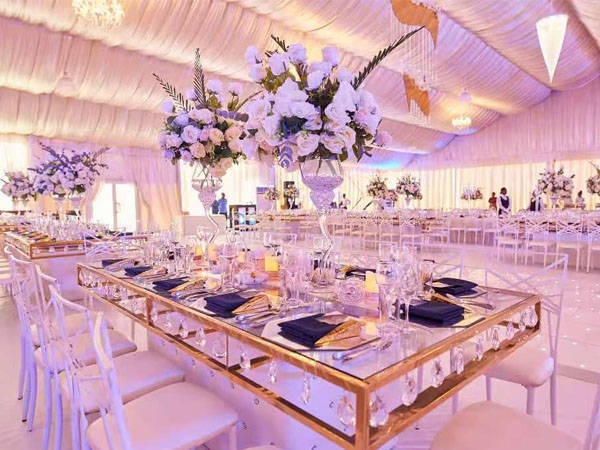
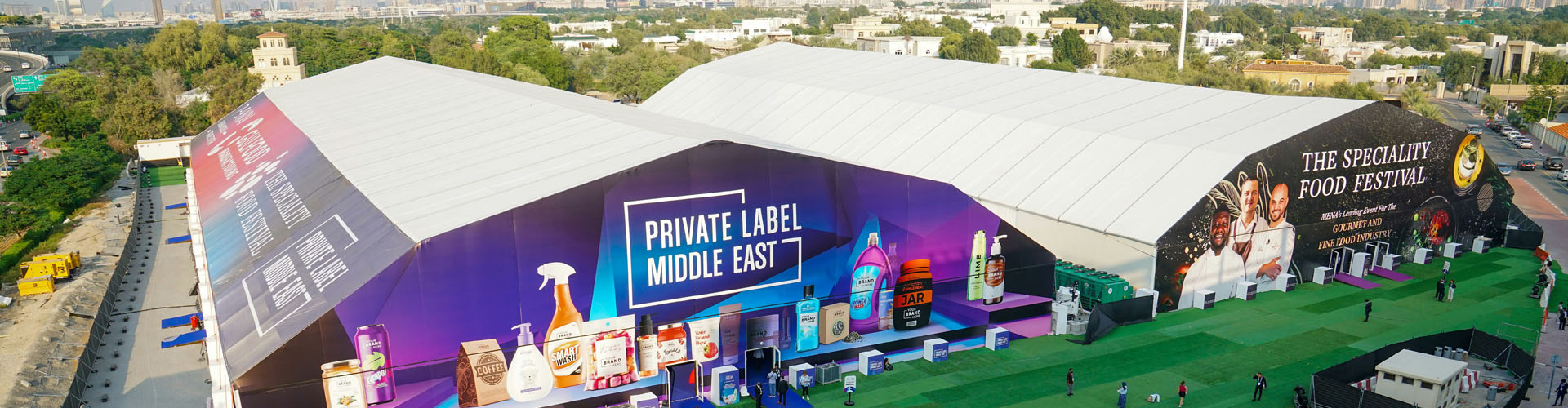
Expo Tent is a marquee manufacturer from china, marquee tents have become indispensable temporary shelter solutions for various outdoor activities, featuring diverse types, flexible customization, and outstanding practical advantages. Fully customizable to meet personalized demands, these tents support adjustable sizes, diverse color schemes, printed brand logos, and matched functional accessories like transparent windows, insulated linings, and waterproof sidewalls, perfectly adapting to weddings, trade shows, sports events, and corporate gatherings. Beyond flexible design, they boast remarkable strengths: premium waterproof, UV-resistant and flame-retardant materials ensure stable performance in changing weather, while lightweight aluminum frames enable quick assembly, disassembly and convenient transportation. With spacious unobstructed interior, excellent durability and cost-effectiveness, marquee tent delivers reliable, flexible and economical temporary space solutions for both commercial and personal outdoor scenarios.