
 Global
Wholesale Commercial Tent supplier. Waterproof, fire-retardant event canopies & marquees for business, exhibitions & outdoor shelter. Custom sizes & fast shipping available.
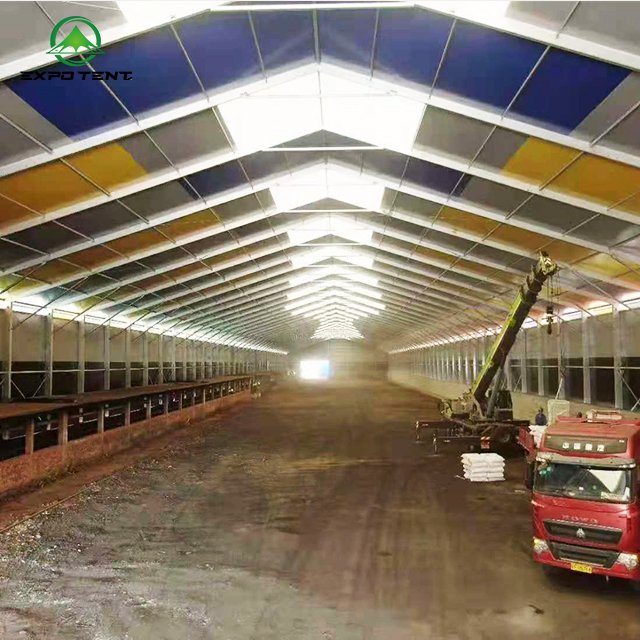
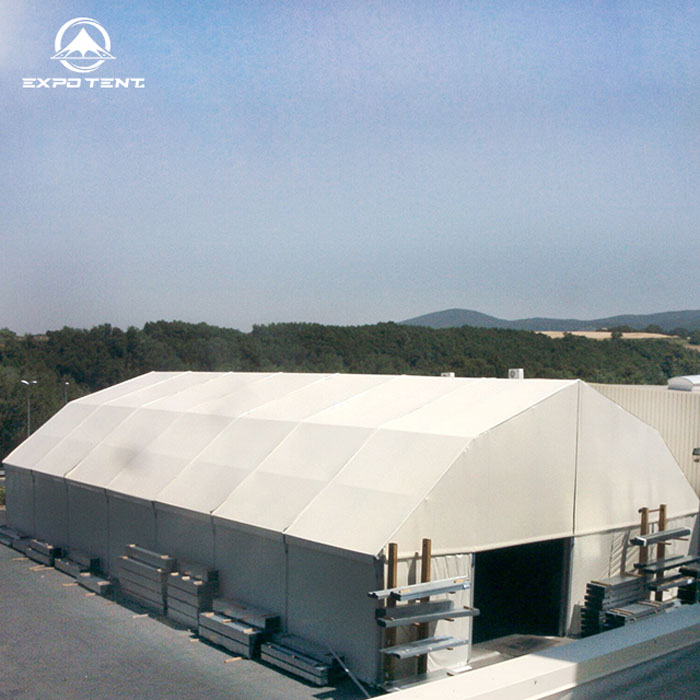
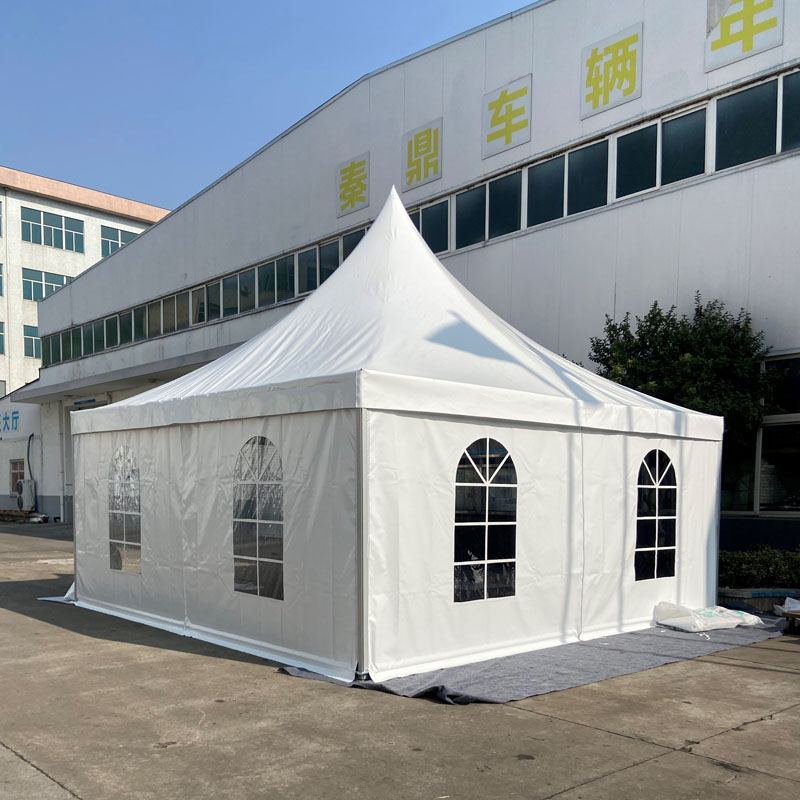
A commercial tent serves as a flexible, temporary covered space designed to support a wide range of business activities, separating it from smaller recreational tents built for casual camping or short personal outings. Unlike permanent buildings that require lengthy construction cycles and fixed location commitments, this type of structure can be assembled and taken down repeatedly, giving operators the freedom to adjust their layout based on shifting business needs. Many users choose these structures because they deliver usable shelter without the long-term overhead tied to brick-and-mortar facilities, making them suitable for situations where space demand is only seasonal or event-based. The core purpose extends far beyond simple protection from sunlight or light rain, as modern designs are engineered to maintain a comfortable interior environment that supports customer interaction, product display, staff work, and even extended periods of service delivery. People who rely on these spaces often value the ability to expand their operational footprint quickly, whether they need extra room during peak customer seasons or a dedicated area for a one-time promotional gathering. The basic form can stretch across modest footprints for small service stations or expand into large interconnected frameworks capable of hosting hundreds of individuals at the same time, and this inherent scalability remains one of the most compelling reasons that commercial operators continue to consider tent solutions for their space challenges. Even as construction methods for permanent structures advance, the convenience and adaptability of commercial tents keep them relevant across many different lines of work, offering a middle ground between fully fixed construction and having no dedicated covered area at all.
The materials used to construct commercial tents are carefully selected to balance durability, weight, and ease of handling, with fabric and frame components each fulfilling distinct roles in the overall performance of the finished structure. The outer covering is most commonly a woven synthetic fabric treated to resist water absorption, slow the spread of stains, and reduce fading caused by prolonged exposure to bright sunlight. This fabric is stretched taut across the supporting skeleton, which is typically made from smooth, lightweight metal sections that lock together without complicated welding or specialized construction tools. Every connection point along the frame is shaped to distribute tension evenly across the entire surface of the fabric, preventing rips or sagging that could compromise stability over hours or days of use. Additional reinforcing strips run along seams and corners, the areas that experience the highest stress during setup and while the tent remains erected. Manufacturers also prioritize fabric flexibility so the material can be folded, rolled, and stored compactly when not in use, without developing permanent creases that weaken its protective qualities. While thicker fabrics offer greater resistance to harsh weather, they also add to the total weight of the tent package, so designers match material thickness to the typical conditions each style of tent is expected to encounter. Frame pieces are coated to reduce scratching and limit the effects of moisture contact, cutting down on wear that might shorten the usable life of the whole assembly. Together, these material choices create a structure that is sturdy enough for professional use while still remaining portable for teams tasked with moving and installing the tent on different sites.
Setup procedures for commercial tents follow a logical sequence that teams learn through practice, and careful preparation on site helps avoid delays once work begins. Before any frame pieces are unpacked, the ground area intended for the tent is cleared of sharp debris, uneven mounds, and obstacles that could puncture fabric or create unstable footing for the supporting structure. Crews first lay out all fabric panels and frame segments in an organized pattern, matching each component to its intended position so nothing is misplaced during assembly. The base frame sections are connected on the ground first, forming the outer perimeter, before vertical support posts are attached and raised into place. Once the skeleton stands upright, the main fabric cover is lifted and guided over the top of the frame, with workers pulling edges gradually to keep tension consistent across every side. Anchoring systems are then secured around the outer edges; these anchoring elements hold the tent firmly in place against wind movement, and the method of anchoring changes depending on whether the tent sits on grass, pavement, or packed gravel. Side panels, entry doors, window inserts, and ventilation sections are attached last, after the main roof is properly aligned and tightened. A full inspection follows assembly, checking seams, tension points, anchors, and all locking joints to identify loose connections before people or equipment enter the space. Experienced teams can complete assembly efficiently, but they always move at a steady pace rather than rushing, because a rushed setup increases the chance of missed connections that can create safety risks once the tent is occupied. Taking the time to follow each step also makes takedown smoother later, as the crew can reverse the same sequence to pack every component back into its storage containers without tangling fabric or bending frame parts.
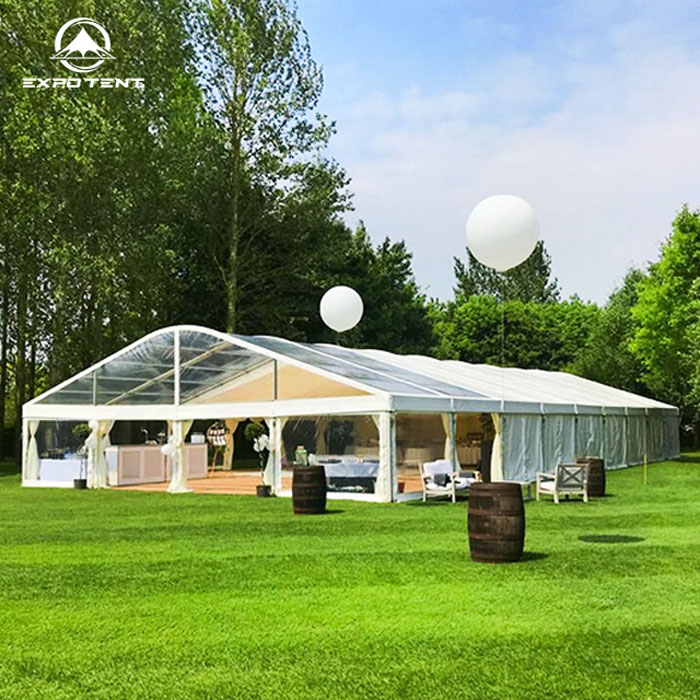
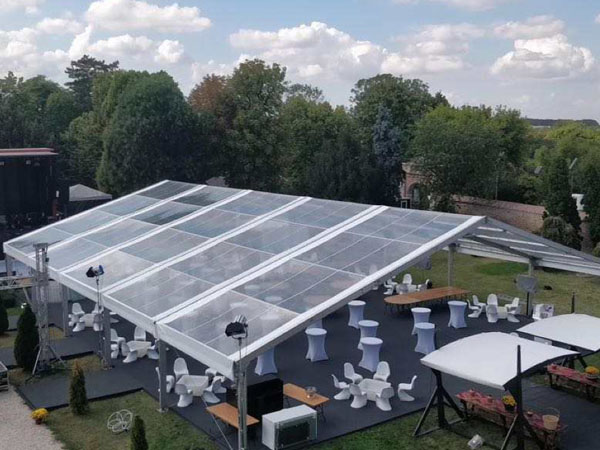
Interior configuration options allow commercial tent users to tailor the space precisely to match their operational goals, turning an empty shell into a functional environment for nearly any kind of business activity. Open floor plans are popular for product showcases, giving visitors unobstructed paths to move between display stations and speak with staff members. Users can divide the larger interior into smaller zones by adding lightweight partition walls, creating separate spaces for check-in, consultation, storage, and customer waiting without building permanent dividing structures. Doorways can be placed on multiple sides of the tent to manage foot traffic flow, separating entry and exit routes and reducing crowd bottlenecks during busy periods. Clear transparent panels can replace solid fabric sections along parts of the walls, letting natural daylight fill the interior and creating a more open feeling while still maintaining shelter from outside elements. Many operators add overhead lighting systems strung along the frame beams, ensuring visibility after sunset or in heavily overcast weather, and power distribution lines can be routed neatly along frame supports to avoid tripping hazards. Flooring choices also change the feel and practicality of the space; interlocking floor panels can cover muddy or uneven ground, creating a flat, clean walking surface for guests and protecting the tent fabric from dirt and moisture that gets tracked inside. Furniture, display counters, seating arrangements, and storage units can all be rearranged freely within the tent boundaries, so the same structure can serve a formal gathering one day and a casual service operation the next. This ability to reconfigure the interior quickly means the tent is never locked into a single function, and businesses can adjust their layout to respond to shifting crowd sizes or changing activity plans.
Weather management is a central consideration for anyone operating a commercial tent, as these structures must protect people and assets while handling fluctuations in outdoor environmental conditions. The sloped roof design found on most models guides rainwater toward the outer edges instead of allowing pools of water to collect on top, which is critical because standing water adds heavy weight that can stretch fabric and damage frame joints. Ventilation openings placed high along the walls or near the roof ridge help circulate air inside, lowering heat buildup on warm days and reducing condensation that might form on the inner fabric surface when temperatures drop. On bright, sunny days, the fabric blocks direct solar radiation, keeping interior temperatures noticeably cooler than the open air and shielding visitors and merchandise from direct ultraviolet exposure that can fade goods or cause discomfort. Even with protective fabric and thoughtful shaping, there are limits to what these tents can withstand, and operators must monitor weather forecasts closely while the tent remains standing. When strong wind or severe precipitation approaches, following established plans to reduce risk becomes necessary, which may mean clearing occupants from the space or beginning takedown if conditions exceed what the tent is built to endure. Proper tension on the fabric also supports weather performance; fabric that hangs loose can catch wind like a sail and put extra force on the frame and anchors. Regular checks of seams and outer surfaces help spot small leaks or worn areas early, before water penetrates into the interior and damages items stored or displayed within the covered area. By respecting these boundaries and maintaining the structure well, users can rely on the tent to deliver consistent shelter through many routine weather scenarios encountered during outdoor business operations.
Maintenance practices extend the service life of a commercial tent and preserve its appearance and functional performance through repeated cycles of setup and storage. After every use, the fabric should be inspected for dirt, mud, stains, small tears, or punctures before it is folded away. Light soiling can usually be removed with gentle cleaning methods that avoid harsh chemical cleaners, which may break down the protective coatings on the fabric over time. Any debris trapped along seams or in the folds must be brushed away, because gritty particles can abrade the fabric surface during storage and transportation. Fabric must be fully dry before rolling or folding for storage; packing damp fabric together encourages mold growth, which creates discoloration and weakens the woven fibers, leaving permanent stains and unpleasant odors that are difficult to eliminate. Frame sections are wiped down to remove dirt and moisture, and each locking joint is checked for grit buildup that could make assembly harder on the next occasion. Small fabric repairs can be completed using compatible patch materials designed to bond securely to the tent fabric, stopping tiny holes from expanding into larger rips during tensioning. All hardware, pins, clips, and anchoring components are collected and stored in labeled containers so nothing goes missing between uses, as a single missing connector can halt setup at a future event. Storage spaces for tent components should stay cool and dry, away from sharp objects, heavy stacked items, and sources of direct heat. Keeping up with these simple maintenance steps prevents minor damage from turning into costly failures, and it ensures that the tent looks professional and performs reliably every time it is deployed for business use.
Transportation and storage logistics are important practical factors for businesses that move their commercial tent between multiple sites throughout the year. When fully disassembled, fabric sections roll into compact bundles, and frame pieces separate into straight segments that fit inside protective carrying bags or hard-sided transport cases. These cases shield components from bumps, scrapes, and road debris while being loaded onto vehicles, and they also make loading and unloading easier for handling crews. The total bulk and weight of the tent package vary widely based on the overall size of the structure; smaller tent packages can fit easily inside standard passenger vans, while the largest systems require vehicles with expanded cargo space to accommodate long frame beams and large fabric rolls. Operators must plan transport routes and loading schedules carefully, accounting for the time required to load all parts securely and unload them at the destination site. Between events, dedicated storage space keeps the tent protected when it is not active, and many users prefer storage areas that separate tent materials from heavy equipment that could crush fabric rolls or bend metal frame pieces. Inventory checks are completed periodically to confirm all parts are present, because losing even one specialized frame segment or clip can delay deployment. Labeling each storage container with a description of its contents helps crew members locate the right pieces quickly when preparing for setup. While transportation and storage add extra steps compared with a fixed building, this mobility is the feature that unlocks the tent’s biggest advantage: the ability to bring covered business space directly to customers wherever the activity takes place, rather than requiring customers to travel to a permanent location.
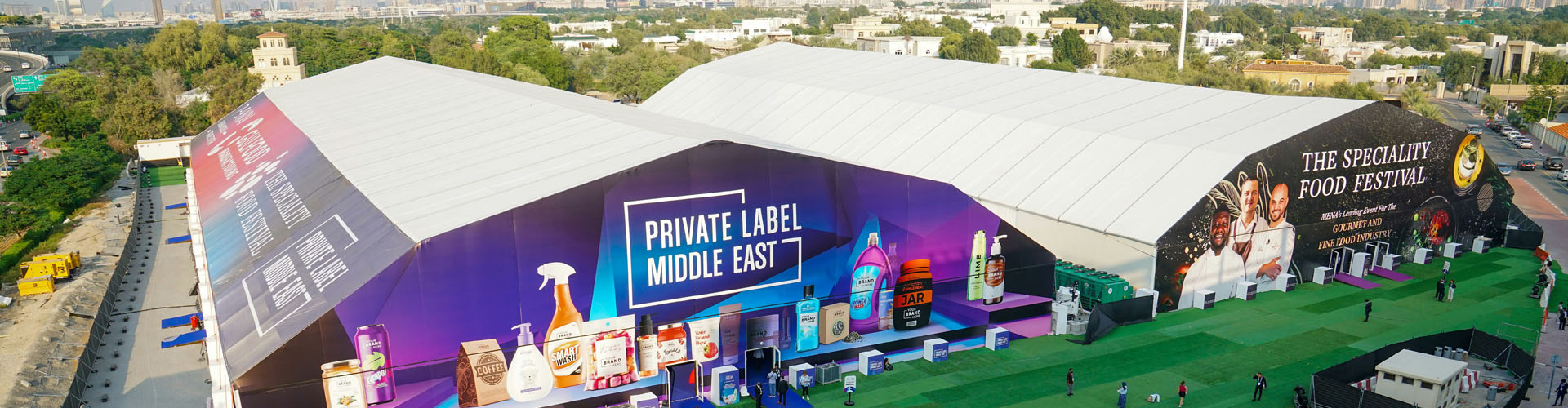
The visual presentation of a commercial tent can be shaped to align with brand identity, turning the shelter itself into a part of a business’s outreach and customer experience. Large continuous fabric surfaces offer smooth areas for printed graphics, logos, messaging, and decorative designs that can be seen from a distance by people passing by. These graphics can cover entire wall panels or smaller accent sections, and they can be updated over time as marketing messages change, without needing to replace the whole tent structure. Solid fabric panels are available in many base colors, allowing users to pick tones that match existing brand styling, while clear panels keep the look open and unobtrusive for settings where the surrounding landscape or view is an important part of the experience. Lighting placed outside or inside the tent also alters its visual character; soft lighting creates a welcoming atmosphere for evening customer gatherings, while brighter, focused lighting supports functional work like product demonstrations or order processing. Entrances can be framed with additional fabric accents or simple overhead signage to guide visitors toward the correct entry point, making the space feel intentional and polished rather than makeshift. Even subtle details, such as matching side panels and neatly arranged anchor covers, contribute to a professional impression that reassures customers and guests. Unlike generic fixed buildings that require expensive renovation to change appearance, the tent’s visual identity can be adjusted for every new event or season. This flexibility lets businesses craft distinct environments for different audiences, helping to create memorable moments that connect customers with the brand while still retaining all the practical shelter benefits the tent provides.
Risk planning for commercial tent operations focuses on protecting people, inventory, and the structure itself by anticipating common hazards that arise in temporary outdoor spaces. Site assessment before installation is the foundation of this planning, as crews look for overhead obstructions, unstable ground, drainage problems, and nearby hazards that could affect the tent once erected. Traffic paths around the tent are mapped out to separate vehicle movement from pedestrian zones, reducing the chance of collisions near entryways. Emergency routes are kept clear at all times, with exits positioned so occupants can leave quickly and safely if an unexpected situation develops, and these routes remain free of display racks, seating, and storage boxes while the tent is occupied. Staff working inside receive basic guidance on recognizing signs of structural stress, such as unusual fabric sagging, frame shifting, or loose anchor points, and they know the correct steps to alert others and begin clearing the space when concerns appear. Electrical systems inside the tent are arranged to avoid exposed wiring that could create tripping or spark risks, and any heat-generating equipment is placed at a safe distance from fabric surfaces. Crowd management plans are put in place for events that draw large numbers of people, to prevent overcrowding and ensure movement through doorways stays orderly. It is also wise to prepare backup supplies, including repair patches, extra anchoring hardware, and lighting backups, to address small issues quickly before they escalate. These risk management practices do not eliminate every possible concern, but they create a structured approach that supports safe, responsible use of the tent in busy commercial settings, helping operators maintain confidence that their temporary space is managed thoughtfully.
Looking ahead, ongoing refinements to commercial tent design continue to expand what these temporary structures can accomplish for businesses of all kinds. New fabric treatments improve resistance to staining and extend usable lifespans, while frame engineering creates connection systems that lock together faster and reduce the total number of separate parts required for assembly. Designers also focus on improving airflow systems and insulation options, making tents comfortable across a wider range of temperature conditions, from cool spring mornings to warm summer afternoons. Modular connection concepts let users add extensions, attach separate tent units together, or remove sections as needs change, building custom layouts without committing to one permanent shape. As businesses seek more flexible operational models that avoid the expense and inflexibility of fixed construction, the demand for well-built temporary covered spaces keeps growing. Operators are also finding creative new uses beyond traditional events, using commercial tents for seasonal service areas, mobile workspace hubs, temporary inventory holding zones, and on-site support stations for field operations. Even as the designs evolve, the core value remains unchanged: a commercial tent delivers adaptable, relocatable shelter that puts usable space under the control of the business user. The combination of portability, customizability, and reasonable deployment effort ensures these structures will remain a practical solution whenever an organization needs reliable covered space for a limited time or in a changing location, supporting countless types of commercial activity for years to come.
Expo Tent is a marquee manufacturer from china, marquee tents have become indispensable temporary shelter solutions for various outdoor activities, featuring diverse types, flexible customization, and outstanding practical advantages. Fully customizable to meet personalized demands, these tents support adjustable sizes, diverse color schemes, printed brand logos, and matched functional accessories like transparent windows, insulated linings, and waterproof sidewalls, perfectly adapting to weddings, trade shows, sports events, and corporate gatherings. Beyond flexible design, they boast remarkable strengths: premium waterproof, UV-resistant and flame-retardant materials ensure stable performance in changing weather, while lightweight aluminum frames enable quick assembly, disassembly and convenient transportation. With spacious unobstructed interior, excellent durability and cost-effectiveness, marquee tent delivers reliable, flexible and economical temporary space solutions for both commercial and personal outdoor scenarios.