
 Global
Shop Commercial Tents For Events: weather-resistant pop-up canopies & large marquees. Custom printing for trade shows, markets & outdoor events.
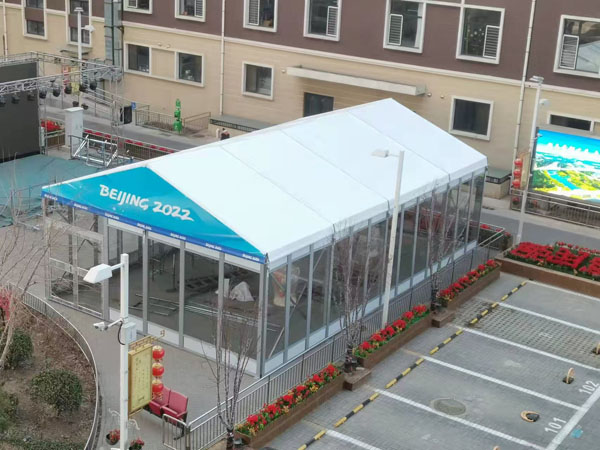
Commercial tents for events have become a foundational element of modern gathering planning, offering flexible shelter solutions that adapt to nearly every type of outdoor assembly and social occasion. Unlike permanent building structures, these fabric enclosures are designed for temporary deployment, allowing organisers to transform open land, parking areas, garden spaces, or open fields into fully functional venues within a reasonable timeframe. The core appeal lies in their adaptability, as the footprint and internal layout can be adjusted to match the scale of an event, whether the gathering is a small private celebration or a large public function hosting hundreds of attendees. Every design prioritises practical usability, with frames engineered for straightforward assembly and disassembly, removing the long lead times and rigid limitations that come with constructing fixed buildings. The fabric panels used in these tent systems are selected to balance durability and comfort, resisting minor abrasions while moderating the conditions inside the enclosed space. Even when set up in locations with limited existing infrastructure, these tents create a defined zone where guests can gather, dine, interact, or enjoy scheduled activities without being fully exposed to shifting outdoor weather. Event planners value this versatility because it unlocks venue options that would otherwise be unusable, turning underutilised outdoor spaces into memorable settings that carry a distinct atmosphere indoor halls often cannot replicate. Careful consideration goes into the base structure, with support frameworks built to distribute weight evenly across anchor points, creating stable shelter without heavy permanent foundations. This temporary nature also means that once the event concludes, the entire system can be packed away neatly, leaving the original site largely unchanged and free of lasting construction residue. Many organisers lean toward these tent options when they seek a neutral canvas that can be shaped to fit their creative vision, rather than working within the fixed aesthetic boundaries of an existing venue space.

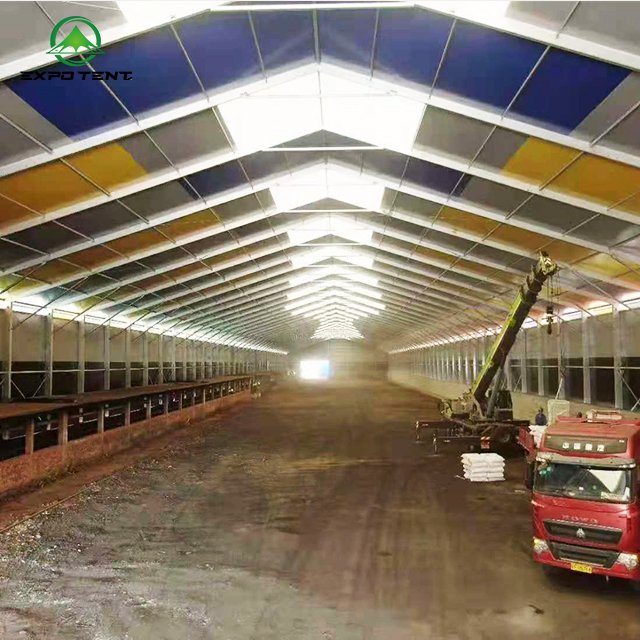
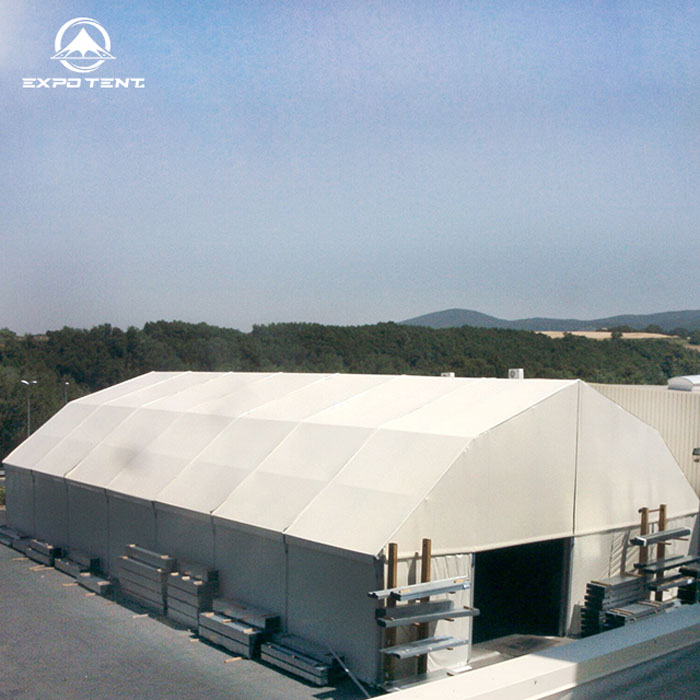
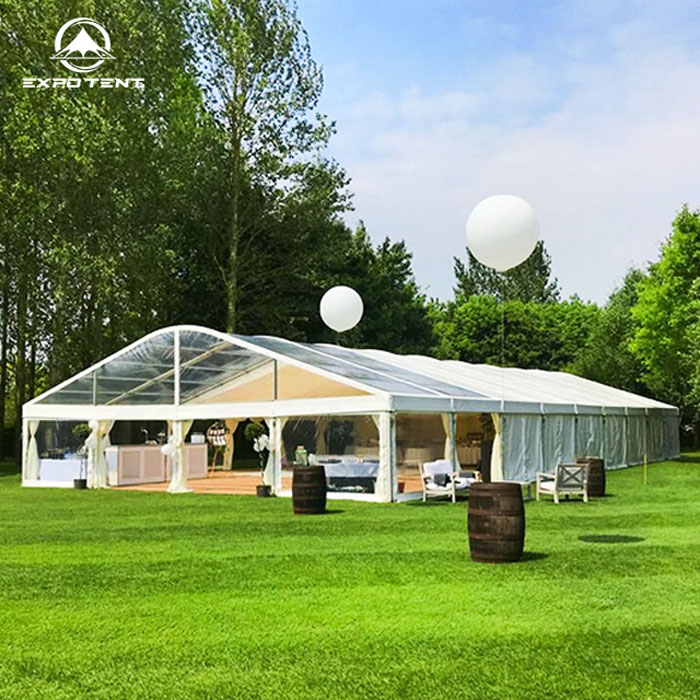
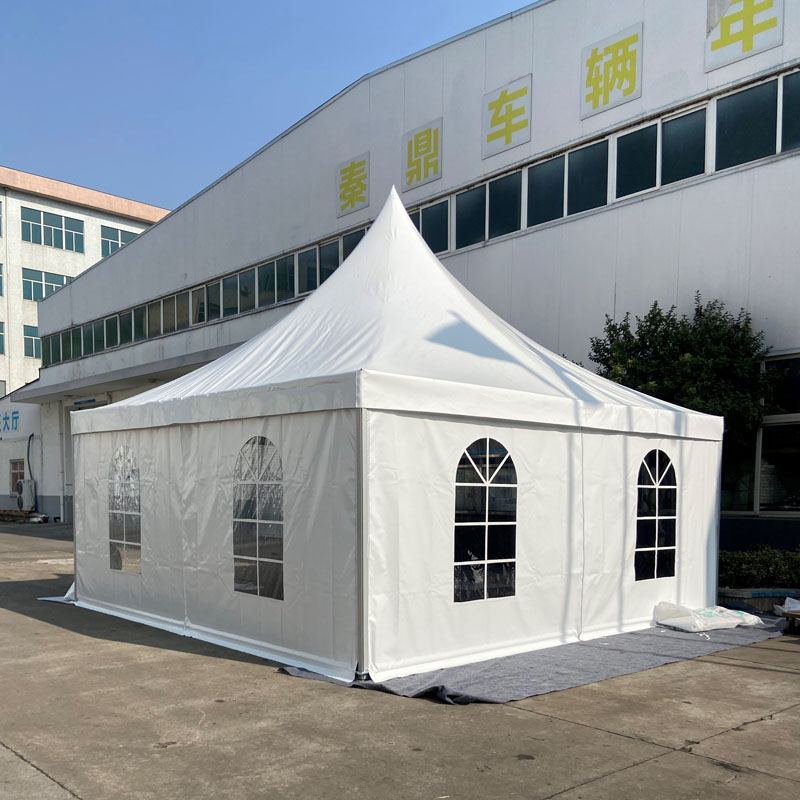
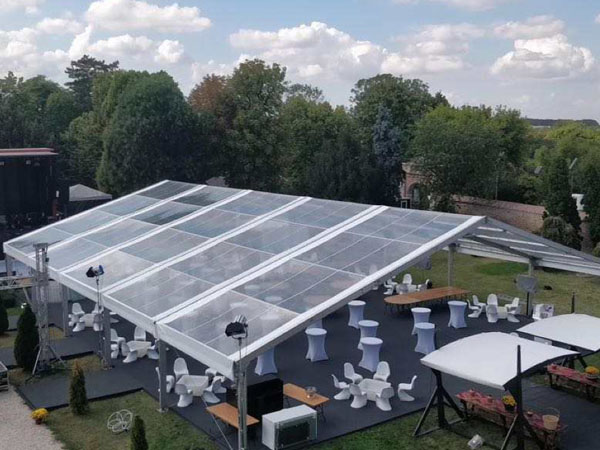
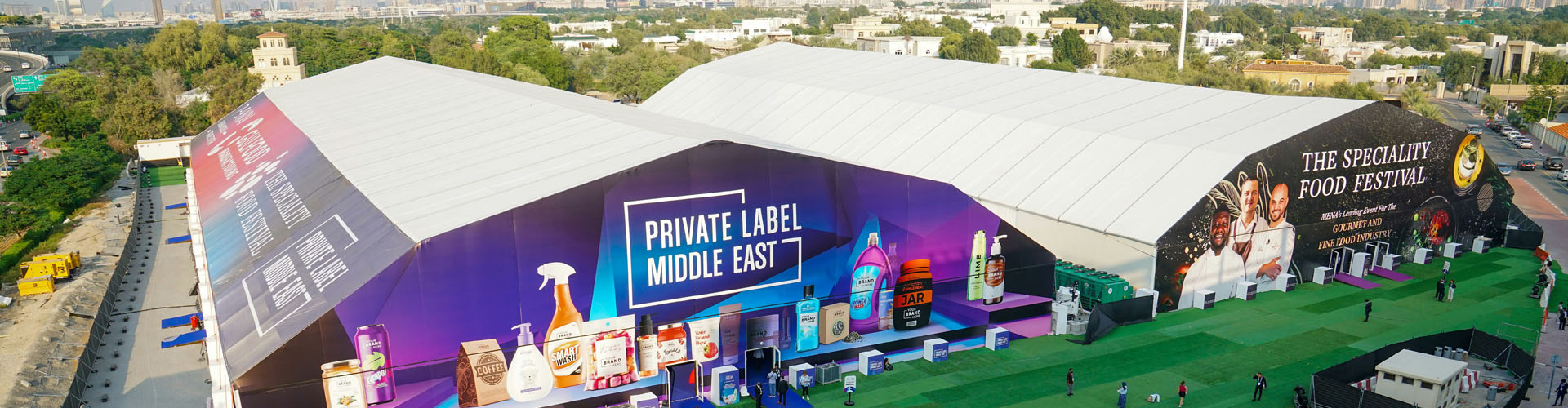
The range of structural styles available for event tents creates diverse options suited to different functional needs and visual preferences. One common configuration features a smooth, unbroken roofline with gentle slopes to guide rainwater away from the interior, preventing pooling and maintaining a dry environment for everyone underneath. Other styles incorporate peaked roof profiles that add vertical height at the centre, creating a more spacious feeling overhead and making the interior feel less cramped even when filled with seating, tables, display stands, and activity stations. Some designs are built to connect multiple tent sections together, forming sprawling interconnected spaces that can separate distinct zones such as dining areas, reception entry points, display zones, and quiet lounge areas under linked cover. Side panels offer further customisation, as they can be fitted fully around the frame for complete enclosure, partially opened to create covered walkways, or removed entirely to leave the space open to the surrounding outdoor scenery. This modular approach allows planners to adjust the level of enclosure according to predicted weather and the intended mood of the gathering. Taller frame designs accommodate larger items such as stage setups, audio visual equipment, and hanging decorative elements, giving creators room to build immersive setups that draw the eye of guests. Lower profile models work well for smaller auxiliary spaces like check-in booths, refreshment stations, or private meeting nooks that support the main event without competing for visual attention. Each structural variant carries its own handling characteristics, and experienced setup teams learn to match the tent style to the terrain, traffic flow, and intended use of the space to avoid functional bottlenecks on the day of the gathering. Thoughtful pairing of shape and purpose ensures that the tent supports the event’s natural rhythm rather than creating awkward obstacles for guest movement and activity.
Material selection forms a critical layer of performance for commercial event tents, directly influencing how well the shelter performs through changing environmental conditions and repeated cycles of setup and takedown. The outer fabric is typically a woven synthetic composite treated to reduce water absorption, so light to moderate precipitation runs off the surface instead of soaking through into the interior space. This fabric also receives treatments that reduce the transfer of solar heat, helping to keep the interior noticeably cooler than the direct outdoor temperature on bright, sunny days, and reducing glare that can disrupt presentations, dining experiences, and guest comfort. The material is manufactured to resist fading from prolonged sun exposure, preserving the intended colour and clean appearance of the tent across multiple rental cycles and outdoor uses. Frame components are most often constructed from lightweight yet sturdy metal alloys, chosen for their favourable strength-to-weight ratio so individual pieces remain manageable for crews to lift, transport, and position. The connecting joints and fittings are precision shaped to lock securely together, minimising wobble once the full frame is erected and distributing stress across the whole skeleton rather than concentrating force on single points. Reinforced stitching runs along every seam and anchor attachment point, areas that bear the highest tension when the fabric is pulled taut over the frame. Manufacturers also prioritise ease of cleaning, so surface dirt, food spills, and light staining can be wiped away between events, keeping the tent ready for subsequent bookings and extending the usable lifespan of each component. While no single material combination is perfect for every scenario, the thoughtful pairing of textile and metal elements creates a reliable system that balances robustness, portability, and guest comfort across many different event environments.
Climate management inside commercial event tents is an essential planning consideration, as enclosed fabric spaces can react quickly to shifts in outdoor temperature, humidity, and air movement. Even with heat-reducing fabric treatments, direct sunlight can gradually warm the interior, so many organisers integrate supplementary climate equipment designed to circulate or condition air within the tent boundary. Proper air circulation prevents stagnant, stuffy conditions when many guests gather closely together, and it helps keep air fresh in spaces where food is served and conversations fill the room. On cooler days, portable heating units can be arranged carefully to raise ambient temperatures without creating uneven hot spots or introducing safety risks near fabric surfaces. Ventilation strategies can be built into the tent layout by leaving gaps between side panels, installing mesh screening in place of solid fabric walls, or positioning circulation equipment at strategic entry and exit points to maintain steady airflow. Mesh side panels serve a dual purpose: they keep insects and airborne debris from entering the space while still allowing breezes to pass through, preserving the connection between guests and the surrounding outdoor environment. When heavy rain is expected, sealed side panels can be secured to block wind-driven moisture, and the sloped roof design works alongside interior climate choices to avoid humid, damp conditions that might make guests uncomfortable. Care must be taken to arrange climate equipment without blocking walkways, emergency access routes, or sightlines for staged activities. Balancing temperature and airflow is not about creating an indoor climate identical to a permanent building, but about stabilising conditions enough that guests can remain comfortable and focused on the event experience regardless of what the weather brings outside the fabric walls.
Site preparation and secure anchoring procedures are indispensable steps for safe and stable tent installation, and the process changes depending on the surface type where the tent will be placed. Grassy fields are among the most common locations, and anchoring systems designed for soft ground penetrate into the soil to hold the frame firmly against wind pressure and the tension of stretched fabric. Harder surfaces such as paved areas, concrete slabs, and compact gravel cannot accept ground stakes, so weighted anchoring systems are used instead, placing distributed mass along the base rails of the tent frame to counteract lifting and shifting forces. Before any frame parts are unpacked, the site is inspected to identify uneven ground, low spots that collect standing water, overhead obstructions, buried utility lines, and sharp objects that could tear fabric or damage frame sections. The ground may be levelled lightly where necessary, and drainage paths are planned to direct rainwater away from the tent perimeter so runoff does not pool around entryways or seep underneath the fabric walls. The layout is marked out clearly to match the planned tent dimensions, ensuring there is adequate clearance around the structure for guest movement, service access, and any auxiliary equipment that will run alongside the main shelter. Crews follow a sequential setup pattern that builds the frame symmetrically, attaching fabric sections gradually and applying tension evenly to avoid pulling the frame out of alignment. Once fully erected, every anchor connection, fabric strap, and joint fitting is checked again to confirm stability before furnishings, decor, and guest items are brought inside. Thorough site work reduces the chance of unexpected issues developing during the event, and it protects both the tent investment and the safety of everyone who will spend time beneath its cover.
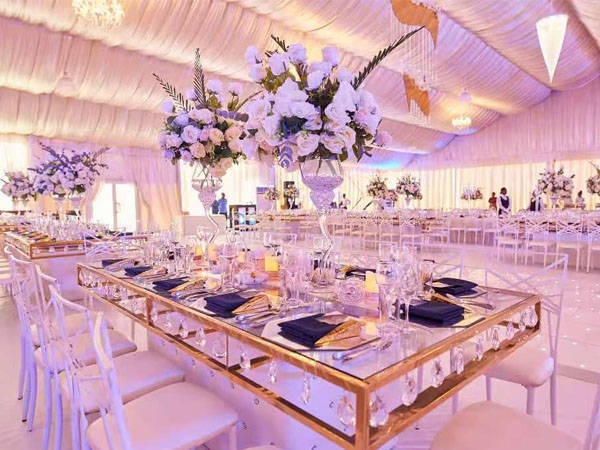
Interior layout design within commercial event tents offers tremendous creative freedom, allowing planners to shape the flow of an experience to match the purpose and tone of the gathering. The open, column-free space available in many larger tent models removes the fixed obstructions found in conventional buildings, letting seating, staging, bars, display booths, and activity zones be positioned almost anywhere to support the intended guest journey. Many layouts start with a clear arrival zone near the tent entrance, where guests can check in, receive materials, and transition gently from the outdoor environment into the event space. From there, paths guide traffic toward dining sections, performance areas, product displays, or social lounges, with wide aisles maintained to prevent crowding and support smooth movement during peak arrival and departure times. Lighting schemes are frequently integrated into the overhead frame, with suspended fixtures casting soft ambient light or focused beams onto stages, tabletops, and feature decor. Drapery, fabric swags, greenery installations, and hanging signage attach easily to the tent’s upper structure, softening the utilitarian look of the fabric shell and helping organisers establish a cohesive visual theme. Furniture arrangements can shift dramatically from one event to the next; the same tent might host rows of theatre-style seating for a presentation one day and round banquet tables for a formal meal the next. Power distribution is routed thoughtfully along frame edges and under protective covers, supplying electricity for lighting, sound systems, catering appliances, and digital displays without creating tripping hazards. The flexibility of the blank interior canvas means the tent can be transformed to feel intimate and warm for small gatherings or grand and expansive for large-scale public functions, adapting fully to the story the event aims to tell.
Logistical coordination around commercial event tents touches every part of event planning, from transport and scheduling to catering workflows and staff positioning. Each tent component is packaged into compact, stackable bundles that fit within standard transport vehicles, making it possible to move complete setups between locations without specialised heavy haul equipment. Delivery and setup times are scheduled carefully around other vendor arrivals, so the tent shell is fully erected and inspected before catering teams, decorators, audio visual technicians, and furniture suppliers begin their own installation work. Catering operations often rely on tent spaces as covered service areas, prep zones, or dining halls, and planners must account for the space required for serving stations, storage of food supplies, waste collection, and staff movement behind the scenes. Service access routes are kept separate from primary guest pathways whenever possible, allowing vendors to restock supplies, clear waste, and manage equipment without disrupting the guest experience. Timing for takedown is also mapped out in advance, usually scheduled after the event concludes and once all guest-facing elements have been removed. Crews follow a reverse sequence of assembly to avoid damaging fabric during removal, folding and rolling panels carefully to prevent snags, dirt buildup, and creasing that would be difficult to remedy later. Communication between the tent handling team and the event lead remains consistent throughout the process, addressing last-minute adjustments such as adding extra side panels, repositioning entry points, or adjusting anchoring when wind conditions change. Strong logistical coordination turns the tent from just a shelter into a smoothly functioning hub that supports every vendor and activity operating within its boundaries.
Safety considerations are woven into every stage of working with commercial event tents, extending far beyond stable anchoring and proper frame assembly. Clear ingress and egress paths are maintained at all times, with unobstructed routes leading outward from all occupied sections of the tent, and these paths are kept free of stacked decor, furniture, equipment, and storage items. Layout planning accounts for the maximum number of people expected inside, ensuring there is enough room for comfortable occupancy without overcrowding walkways and exit points. Flammable decorative materials, open-flame equipment, and heat-generating devices are positioned with deliberate separation from tent fabric surfaces, and fire suppression tools are placed in accessible locations as a precaution. Staff working inside the space are briefed on the location of exits and emergency protocols, so they can assist guests quickly if an unexpected situation develops. Electrical systems used within the tent are arranged to avoid frayed cabling, overloaded connections, and exposed wiring, with cables secured and protected to prevent accidental damage from foot traffic or moving equipment. Weather monitoring remains ongoing while the tent is occupied, as wind gusts and sudden storms can create forces that impact the structure, and teams have predefined plans to respond to worsening conditions. Even seemingly small details contribute to overall safety, such as securing loose fabric flaps that could catch wind and create sudden stress on anchors, and keeping the area around tent perimeters clear of debris that could become airborne in strong winds. These layered precautions do not detract from the enjoyment of the event; instead, they create a secure foundation that lets guests and organisers focus on the purpose of the gathering with greater peace of mind.
Sustainability aspects of commercial event tents continue to gain attention as organisers seek ways to reduce the environmental footprint of outdoor gatherings. The reusable nature of these tent systems stands as one of their most meaningful sustainable attributes, because the same fabric and frame components can be deployed repeatedly for dozens of events over many years. This contrasts sharply with single-use temporary coverings and disposable construction materials that are discarded after a single function, generating large volumes of waste. When maintained properly, fabric panels can be repaired locally after minor tears rather than replaced outright, extending service life and reducing the rate at which components reach disposal. Cleaning processes can be adjusted to limit water use and avoid harsh chemical cleaners, protecting surrounding soil and vegetation when wastewater runs off the site. Transport efficiency also factors into sustainability; because tents break down into compact loads, multiple event setups can be scheduled along similar travel routes to cut down on vehicle trips and associated emissions. Many event designers also leverage the tent’s neutral aesthetic to reduce reliance on disposable decor, using lighting, natural foliage, and reusable props to shape the atmosphere instead of single-use decorative goods. At the end of a tent’s usable cycle, many of the synthetic fabrics and metal frame parts can be diverted from landfill streams through recycling programmes that process the materials into new raw stock. While tents themselves do not eliminate the environmental impact of large events, they offer a lower-impact shelter alternative that aligns well with efforts to build circular practices within the events industry. Organisers increasingly value this attribute when comparing venue options, choosing reusable temporary shelter as one tangible step toward more responsible event delivery.
Looking ahead, the role of commercial event tents continues to evolve as event formats shift and creative expectations grow among hosts and attendees. New fabric formulations and refined frame designs keep improving portability, weather resistance, and light management, giving planners even more control over the environment they build outdoors. Integration with modern event technology is expanding too, with frame systems engineered to support heavier hanging installations, integrated power tracks, and custom projection surfaces that turn tent interiors into immersive digital environments. Event styles are moving toward more open, nature-connected experiences, and tents fit this trend perfectly by creating a soft boundary between curated indoor activity and the natural landscape outside. Hybrid gatherings that combine in-person attendees and remote streaming audiences also benefit greatly from tent spaces, as the modular structure can hold dedicated broadcast zones alongside areas for live guests, with controlled lighting and sound suited for recording and streaming. As communities seek flexible spaces for seasonal markets, cultural festivals, pop-up activations, and emergency community gatherings, commercial tents provide a fast-deploying solution that adapts to shifting social needs. Even as permanent venue offerings expand, the unique charm and adaptability of tent-based events remain difficult to replicate. The enduring appeal rests on the simple fact that these structures do not impose a fixed identity on an event; they serve as a blank, sheltering platform that can be reimagined, rearranged, and re-styled endlessly for every new group that gathers beneath them. This combination of practical resilience, creative flexibility, and temporary low-impact presence ensures commercial event tents will remain a central fixture of outdoor event planning for many years to come.
Expo Tent is a marquee manufacturer from china, marquee tents have become indispensable temporary shelter solutions for various outdoor activities, featuring diverse types, flexible customization, and outstanding practical advantages. Fully customizable to meet personalized demands, these tents support adjustable sizes, diverse color schemes, printed brand logos, and matched functional accessories like transparent windows, insulated linings, and waterproof sidewalls, perfectly adapting to weddings, trade shows, sports events, and corporate gatherings. Beyond flexible design, they boast remarkable strengths: premium waterproof, UV-resistant and flame-retardant materials ensure stable performance in changing weather, while lightweight aluminum frames enable quick assembly, disassembly and convenient transportation. With spacious unobstructed interior, excellent durability and cost-effectiveness, marquee tent delivers reliable, flexible and economical temporary space solutions for both commercial and personal outdoor scenarios.