
 Global
Custom Event Tent with full-color custom printing. Heavy-duty pop-up canopy for trade shows, farmers markets & festivals. Add logos, side walls.
A custom event tent serves as a flexible and adaptable foundation for nearly every kind of outdoor gathering, designed to move far beyond the simple function of blocking sun or light rain. Unlike ready-made shelters that come in fixed shapes and limited visual choices, this kind of tent is built around the unique needs of each event, whether the gathering leans toward casual social connection, focused product engagement, or carefully curated celebration. Every element of its layout can be adjusted from the very beginning, starting with the overall footprint that matches the available space at a venue, whether that space sits on grass, pavement, packed gravel, or stable decking. Organizers can choose longer, narrow frames for walk-through display paths or wide, open bays to hold seating groups and service counters without awkward gaps or wasted floor area. The core structure balances sturdiness with portability, using lightweight yet strong framing materials that do not require permanent installation or complicated foundation work. Even the basic shape can shift away from standard rectangles, with angled ends, connected multi-bay sections, or soft rounded edges to fit the flow of guest movement. Guests often notice the difference immediately when they step under a custom tent; it does not feel like a generic add-on dropped into the scene, but rather a purpose-built space that fits naturally into the overall atmosphere. Thoughtful planning at this stage also accounts for how people will enter and exit, where service stations will sit, and how sightlines will work for presentations or displays, all before any fabric or finishing pieces are selected. This level of personalization means the tent can grow and change alongside the event vision, rather than forcing the event design to shrink and adapt to the limits of a prefabricated shelter. It creates a protected zone where the host retains control over the guest experience, shielding attendees from sudden shifts in weather while preserving the open, airy feeling that makes outdoor events appealing.

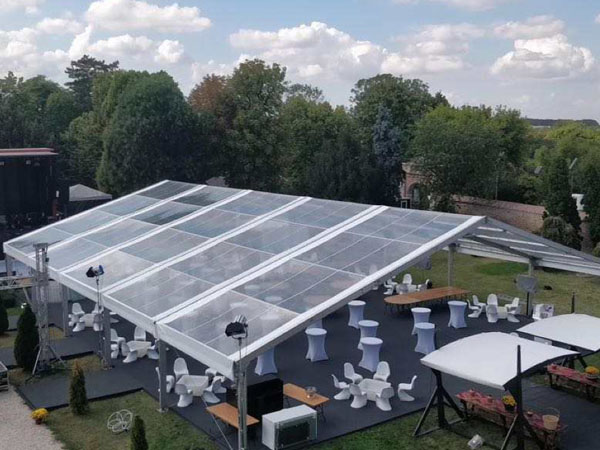
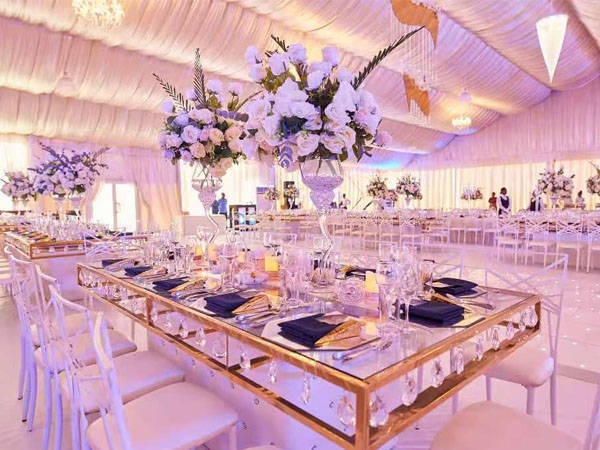
The fabric chosen for a custom event tent shapes both its practical performance and its visual character, with a wide range of options that respond to different lighting conditions, weather risks, and aesthetic goals. Many fabrics are engineered to reduce heat buildup underneath the canopy, filtering harsh bright sunlight without turning the enclosed area dark and cramped. Some fabric selections carry subtle texture or matte finishes that soften reflections from stage lights and camera flashes, making them well suited for events with photography, video recording, or live streaming. Other fabric treatments help water bead and run off smoothly along the seams and slopes of the roof, preventing pooling that can damage the material or create dripping spots over guest seating. Fabric panels can also be added or removed independently, letting hosts adjust how open or enclosed the space feels throughout the day. On mild, pleasant afternoons, side panels can stay completely rolled up to keep cross breezes moving through the tent, while those same panels can be fastened down quickly if wind picks up or a light shower begins. Translucent side sections are another popular choice, allowing natural daylight to pass through while maintaining a barrier against wind and airborne dust, and solid opaque panels offer privacy when the tent holds meetings, private dining areas, or quiet lounge spaces. The fabric is cut precisely to match the custom frame dimensions, reducing loose sagging areas that catch wind or look uneven. Careful attention is paid to seam construction and attachment points, ensuring tension stays evenly distributed across the whole canopy surface. Beyond function, fabric color sets the underlying tone of the space; soft neutral tones create a calm backdrop for branded displays and floral arrangements, while deeper or brighter shades can establish a bold mood that aligns with the event’s theme. All these fabric choices work together to turn a plain covering into an active part of the environment that supports comfort and visual cohesion for every person inside.
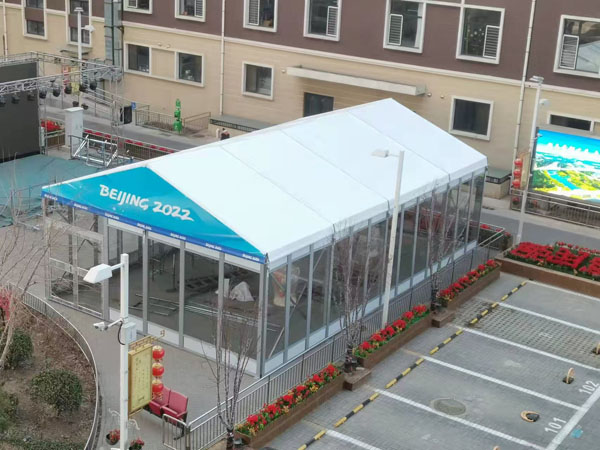
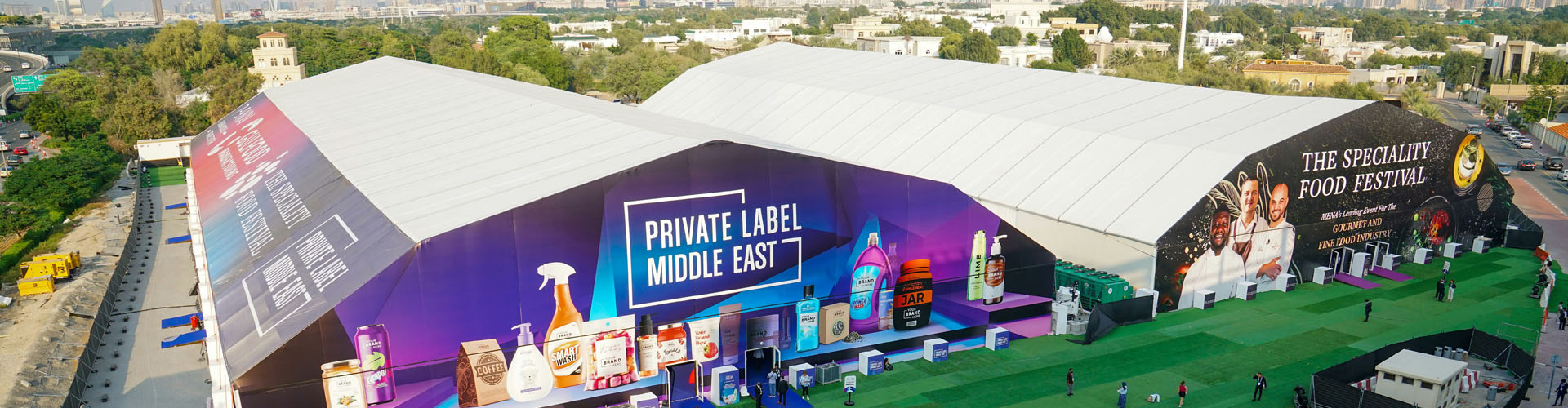
Branding integration is one of the most valued features of a custom event tent, offering a large, unbroken canvas that reaches every guest before they step fully into the event space. Graphics can be applied across roof sections, side panels, valances, or entrance headers, arranged to match how people naturally approach and move around the tent. Designs are not limited to simple centered logos; layouts can include flowing patterns, illustrative artwork, thematic messaging, directional markers, or decorative borders that wrap continuously around the structure. Printing methods are selected to keep images sharp and color consistent even after repeated exposure to outdoor light, with careful alignment so graphics do not distort when fabric stretches under normal tension. Hosts can choose which areas to highlight, placing key visual elements at eye level for walking guests while using larger roof graphics to be seen from farther away by people moving through a larger event grounds. This kind of subtle, built-in branding avoids the clutter of separate freestanding signs and banner stands that can block walkways or tip over in light wind. The branding becomes part of the tent itself, creating a unified look where shelter and messaging exist as one. For events with rotating zones, some panels can be designed to hold interchangeable graphics, so the same tent structure can support different themes or messaging across multiple days or separate event sessions. Every graphic is planned around the shape of the tent’s frames and seams, ensuring important text and imagery do not fall behind support poles or get split awkwardly across panel joins. When done well, this integrated branding does not overwhelm visitors; instead, it gently reinforces the event identity and helps guests orient themselves within the wider venue, turning the tent into a recognizable landmark within a larger outdoor space.
Internal layout customization allows hosts to shape the feeling and function of the space beneath the canopy, separating activity zones without building permanent dividing walls inside the tent. Support poles can be positioned during the design phase to stay out of high-traffic pathways or key viewing areas, clearing space for dining tables, product displays, demonstration stations, stage platforms, or casual lounge furniture. Partial fabric dividers, hanging drapery, lightweight rail systems, or low freestanding barriers can create softer separations between zones, such as a check-in area near the entrance, a central activity space, and a quieter resting section toward the back. Electrical access points can be mapped out alongside the frame design, with designated routes for safe cable management that keep cords secured and away from foot traffic, supporting lighting, audio equipment, refrigeration units, or display screens. Lighting itself can be planned into the structure, with mounting points built into the framing to hold string lights, spotlights, uplights, or diffused overhead fixtures, removing the need for unstable temporary lighting rigs. Even ventilation can be addressed in the layout, by positioning open side sections or mesh panels to guide airflow toward crowded zones where heat from people, cooking equipment, or lighting may build up. The layout can also accommodate service workflows, creating dedicated space for staff to prepare items, restock supplies, or greet guests without crossing through areas meant for attendees. Access paths are sized to keep movement smooth even when the tent reaches its maximum expected occupancy, and space can be reserved for quick cleanup stations or storage of extra supplies out of guest sight. This intentional internal planning means the tent does not just provide overhead cover; it creates a sequence of experiences as guests move through different parts of the space, supporting the natural rhythm of the event from arrival through departure.
Accessory compatibility expands what a custom event tent can accomplish, with a wide range of add-on elements that attach cleanly to the original frame without damaging the main fabric or structure. Mesh wall panels are frequently used in warm environments to keep insects out while preserving airflow and visibility, and they can be zipped open at designated entry points to maintain controlled access. Heated or cooled air attachments can connect to built-in mounting points for events held during cooler seasons or periods of intense heat, helping maintain a steady, comfortable temperature under the canopy. Flooring systems can be paired with the tent footprint, including interlocking padded tiles, woven matting, or raised platforms that level uneven ground, protect shoes and furniture from mud or sand, and define the boundary of the tent space visually. Rain gutters can link multiple connected tent sections together, guiding runoff away from seams and entryways to prevent water from dripping between joined bays. Awning extensions can project outward from one or more sides of the tent, creating shaded transition zones between the main canopy and the open venue space, perfect for queue lines or small display areas. Storage pockets, hanging racks, and valance trim pieces attach to existing frame channels, keeping small supplies, informational sheets, or decorative elements organized. Many accessories are designed to be modular, so hosts can pick only what their event requires rather than purchasing a full set of features that will rarely be used. These add-ons also maintain visual consistency because they are engineered to match the tent’s color palette and construction style, avoiding mismatched temporary gear that disrupts the polished look of the space. Each accessory is considered during the initial design process, so load limits, attachment positions, and clearance space are all accounted for before the tent is produced, resulting in a setup that feels cohesive and purpose-built rather than cobbled together from separate rental items.
Transportation and assembly design is built into every custom event tent, balancing large tailored dimensions with practical handling for teams working at outdoor venues. Framing pieces are split into manageable lengths that fit within standard transport vehicles, with labeled connection points so assembly teams can follow a logical sequence without guesswork. All connecting hardware shares consistent fittings where possible, reducing the number of specialized tools and spare parts that must travel to each site. Fabric panels are sized to roll or fold neatly into protective storage bags, with reinforced carry handles to reduce strain during loading and unloading, and protective covers help prevent dirt, scuffs, and prolonged sun exposure when the tent is not in use. The assembly sequence prioritizes safety and speed; the frame takes shape first on the ground before fabric is lifted into place, minimizing the time that crews work at height. Base plates and anchoring options adapt to different ground surfaces, with weighted base solutions for paved areas and stake systems for soft ground, each selected to match the expected wind exposure at the venue. Crews do not need advanced construction training to complete setup, though careful site assessment still happens before installation to check for overhead obstacles, underground lines, and natural drainage patterns. Disassembly follows the reverse of the build process, letting teams break the tent down efficiently once the event concludes, with separate storage for fabric, frame, hardware, and accessories to prevent tangled cords or scratched metal components. Because the tent is custom fitted, there is no need for makeshift ties, extra straps, or filler fabric to cover gaps that often appear with mismatched rental units. This thoughtful handling design means the same custom tent can travel between many different locations over time, supporting multiple events throughout a season while remaining simple to pack, move, and rebuild accurately each time it is deployed.
Weather adaptability stands as one of the most important advantages of a custom event tent, as its design can be tuned specifically to the typical weather patterns of the locations where it will operate. The roof slope is adjusted during design to encourage fast runoff, with steeper angles chosen for areas that see frequent heavy downpours and gentler slopes for drier climates where shade is the primary goal. Wind performance is addressed through frame bracing patterns and anchoring plans that match the open exposure of the site; tents set up on exposed waterfronts or hilltops receive extra reinforcing elements that may not be necessary for sheltered spaces among trees or buildings. Sidewall systems offer flexible response to shifting conditions, letting staff enclose the space quickly when wind or sudden rain arrives and open it again once conditions improve. UV-resistant fabric treatments slow fading and material breakdown from repeated sun exposure, extending usable life and keeping the interior noticeably cooler than unprotected open areas. Even condensation is considered in cooler, humid settings, with fabric properties and ventilation openings arranged to reduce moisture buildup on the inside of the canopy. This does not mean the tent is intended to withstand every extreme weather event, but it creates a reliable buffer against the unpredictable light weather shifts that commonly disrupt outdoor plans. Hosts gain greater scheduling confidence because they are not entirely dependent on perfect, cloudless skies. They can build event timelines knowing there is a controlled space ready if the weather turns, rather than scrambling last minute for emergency cover or canceling planned activities. This layer of protection also makes guests feel more secure, knowing they have a dry, shaded place to gather even if the forecast does not stay exactly as expected.
Reusability gives custom event tents long-term value, as the core structural frame can serve many different events, with only fabric panels or graphic elements updated to match new themes. A single frame system can support a corporate gathering one month, a community celebration the next, and a private milestone gathering later in the year, simply by swapping out printed side panels or adjusting accessory setups. When a host wants a completely new visual style, they can commission fresh fabric skins and graphics without replacing the full metal frame, which remains stable and functional through many cycles of setup and takedown. Care and maintenance follow straightforward routines; fabric can be cleaned gently after use to remove dirt, pollen, or light stains before being stored dry, and frame components can be inspected for scuffs, bent sections, or loose connectors between events. Minor worn parts, such as straps, zippers, or anchoring hardware, can be replaced individually instead of requiring replacement of the whole tent. This reusability also supports more intentional event planning, reducing the amount of single-use temporary materials that are often brought in for one-off outdoor functions. Over repeated uses, hosts learn how the tent performs at different venues and in different weather, refining their setup workflows and accessory choices to fit their most common event types. Some users gradually build up a library of interchangeable side panels, lighting kits, and flooring sections, creating a modular system that can be reconfigured endlessly. Rather than treating shelter as a disposable part of event production, they treat the custom tent as a long-term asset that evolves alongside their programming, capable of shifting from large public showcases to smaller intimate gatherings whenever the need arises.
Guest comfort is woven into every small design choice for a custom event tent, focusing on subtle details that shape how people experience time spent under the canopy. The height of the roof can be adjusted to avoid a cramped, low feeling; taller clearances keep air circulating freely and make the space feel open and generous, while moderate heights create a cozier atmosphere for smaller, more intimate groups. Support poles are placed away from seating areas and conversation circles so guests do not need to lean around structures or worry about bumping into frames. Sound behavior is also considered; soft fabric surfaces help diffuse echoes that often plague fully hard-sided temporary structures, making conversation easier without extra audio adjustments. Temperature control features work alongside airflow design to prevent hot spots where crowds gather, such as near food stations or presentation areas. Entryways are wide enough to let groups move in and out without bottlenecks, and transitions between the tent interior and outside ground are smoothed with flooring or ramp options where needed. Even glare is managed through fabric tone and panel placement, so guests can look at screens, printed materials, or each other without struggling against harsh reflected sunlight. These comfort features rarely draw explicit attention from attendees, but they shape their overall impression of the event. Guests stay longer, engage more fully with displays and conversations, and leave with a more positive memory when they are not distracted by overheating, glare, dampness, or awkward crowding. The tent stops being just a roof overhead and becomes a welcoming environment that encourages connection, whether guests are stopping briefly to view an exhibit, sitting down for a meal, or lingering to talk with other attendees.
Sustainability considerations increasingly guide the design and use of custom event tents, aligning the practical shelter needs of outdoor gatherings with thoughtful resource choices. Durable construction means each tent can be redeployed dozens of times, reducing the cycle of single-use plastic coverings and disposable banners that are discarded after a single event. Fabric options are available that use materials produced with reduced environmental impact, paired with printing processes that limit excess waste and harsh residues. Because graphics can be updated by replacing only fabric panels instead of the entire structure, less material ends up discarded when event themes change. The modular nature of the tent also supports local reuse; the same unit can serve multiple groups and locations, cutting down on repeated production of new shelters for separate one-time events. Maintenance practices extend service life further, with routine inspections and careful storage preventing premature damage that would force early replacement. When a component eventually reaches the end of its usable life, many frame materials and fabric types can be processed through appropriate recycling streams rather than going directly to landfill. Hosts also reduce reliance on other disposable event supplies when the tent itself provides built-in branding, shade, and enclosure, removing the need for many separate temporary signs and coverings. This approach does not treat sustainability as an afterthought decoration added to the event; it embeds resource awareness into the core decision of investing in a custom, reusable shelter. Event planners can deliver immersive outdoor experiences while lessening the leftover waste that so often follows large gatherings, balancing the excitement of live in-person events with care for the spaces where those events take place.
Expo Tent is a marquee manufacturer from china, marquee tents have become indispensable temporary shelter solutions for various outdoor activities, featuring diverse types, flexible customization, and outstanding practical advantages. Fully customizable to meet personalized demands, these tents support adjustable sizes, diverse color schemes, printed brand logos, and matched functional accessories like transparent windows, insulated linings, and waterproof sidewalls, perfectly adapting to weddings, trade shows, sports events, and corporate gatherings. Beyond flexible design, they boast remarkable strengths: premium waterproof, UV-resistant and flame-retardant materials ensure stable performance in changing weather, while lightweight aluminum frames enable quick assembly, disassembly and convenient transportation. With spacious unobstructed interior, excellent durability and cost-effectiveness, marquee tent delivers reliable, flexible and economical temporary space solutions for both commercial and personal outdoor scenarios.