
 Global
Spacious festival tent for groups & festival camping. Windproof, breathable, quick-pitch design. Reliable outdoor shelter for music festivals & outdoor gatherings.
Festival tents are large, temporary fabric shelter structures built to deliver flexible covered space for various outdoor gathering scenarios. Unlike small consumer pop-up canopies, these structures are engineered for extended on-site deployment and can accommodate groups of different sizes, forming an essential infrastructure for modern outdoor events. They balance easy mobility, rapid assembly and reliable shelter performance, making them widely preferred when fixed buildings are unavailable or impractical for short-term activities.
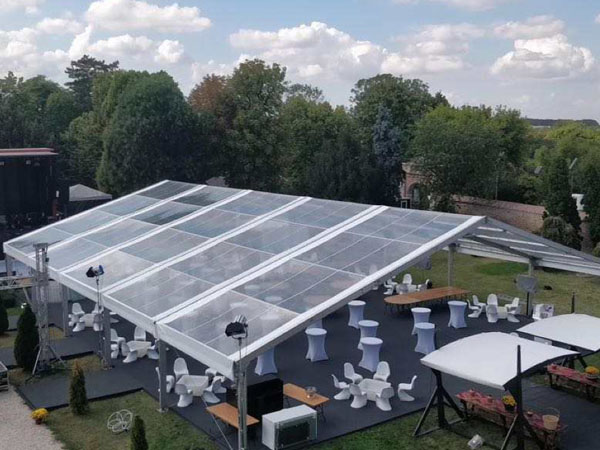
A festival tent refers to a modular temporary shelter system specially designed for outdoor festivals and large-scale outdoor assemblies. It is a non-permanent building solution that relies on assembled frames and flexible covering materials instead of permanent foundations. The core design goal is to create controllable semi-enclosed or fully enclosed zones in open outdoor environments. Such tents can be set up on lawns, paved plazas and other flat ground surfaces, and fully dismantled after events without leaving lasting damage to the site. The overall design prioritizes adaptability to changing outdoor environments and convenient turnover between different activity venues.
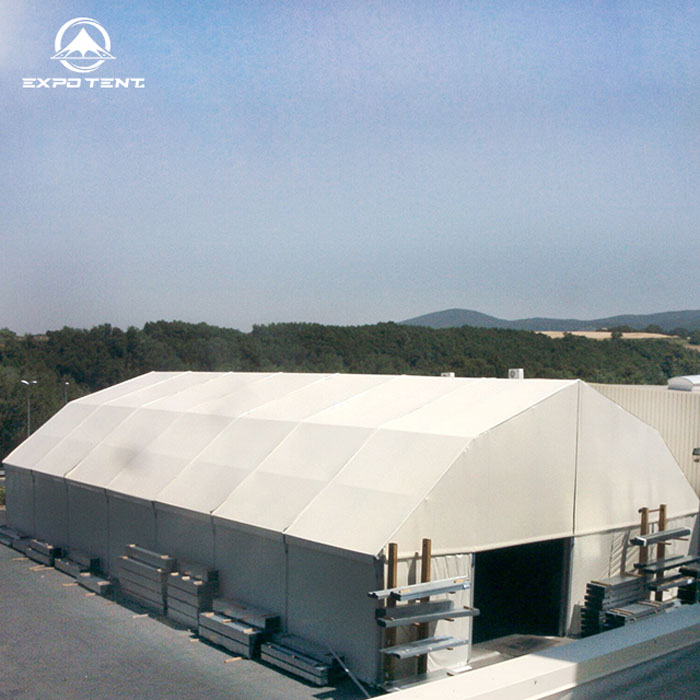
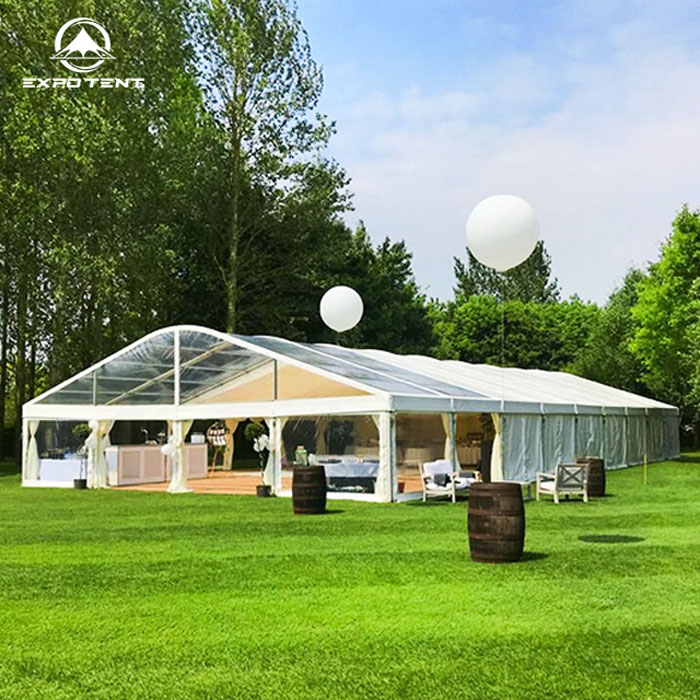
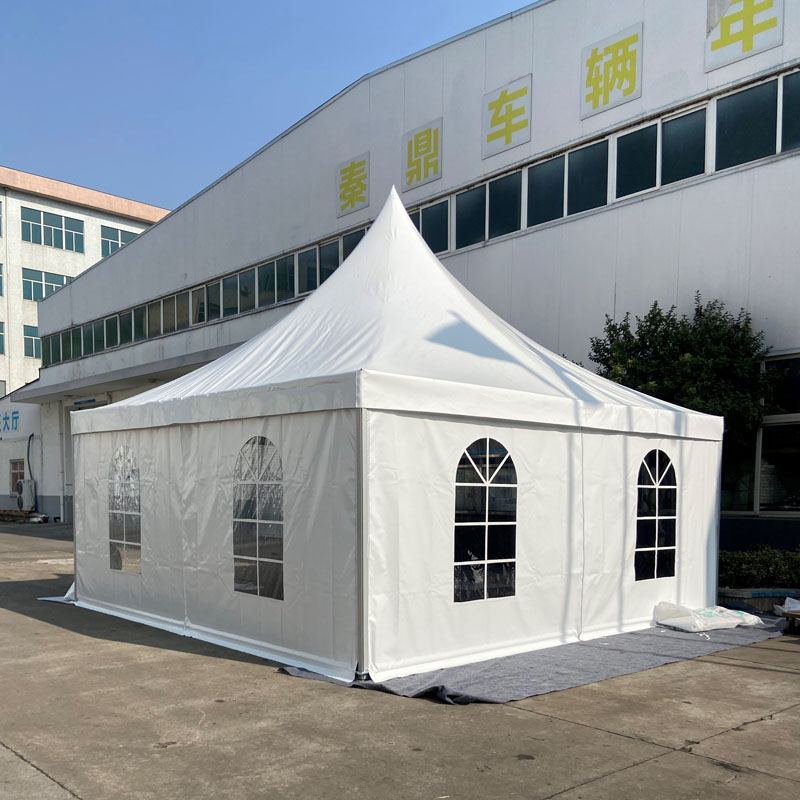
Festival tents can be grouped in multiple ways according to structural shapes and application scales. By outline shape, common types include arched tents, peaked A-frame tents and polygonal multi-sided tents. Arched festival tents feature smooth curved rooflines and offer spacious internal space without many intermediate supporting columns. A-frame tents adopt traditional triangular roof designs and carry stable load performance for moderate span sizes. Polygonal options such as hexagonal or octagonal tents are often selected for independent stage areas or small lounge zones.
When sorted by capacity, they fall into small, medium and large specifications. Small festival tents suit booths, first-aid stations and service counters. Medium-sized versions work for dining zones and audience waiting areas. Large-span festival tents are used for main performance spaces and collective assembly areas. Some customized irregular shapes are also available to match special site layout requirements.
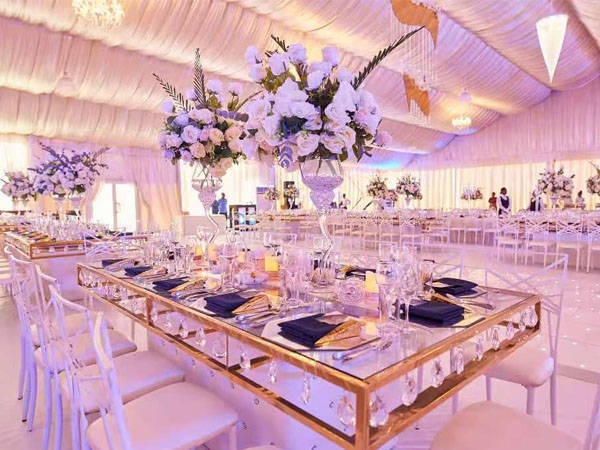
Festival tents serve a broad range of outdoor activity needs. The most typical use is music, art and cultural festivals, where they provide cover for performance stages, audience seating, merchandise stalls and catering areas. They are also applied for outdoor markets, seasonal celebration gatherings and community open-air activities. Inside these tents, organisers can set up rest zones, information desks and display areas.
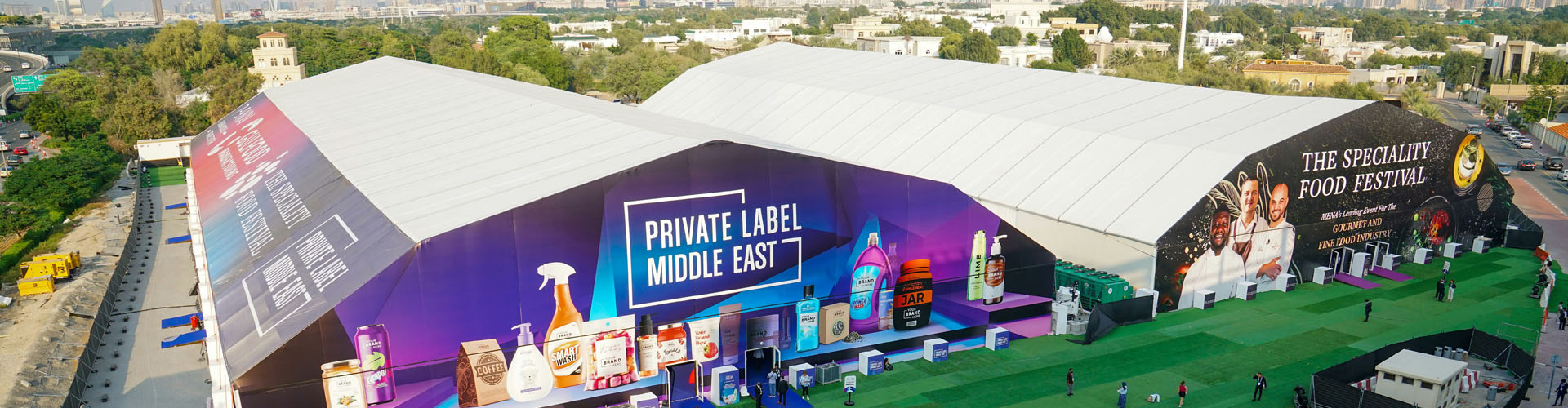
Besides public entertainment events, festival tents can act as temporary check-in points, storage zones and welfare service areas. In many outdoor arrangements, multiple tents are combined together to form interconnected functional clusters, separating different activity flows and improving the order of the whole venue.
One prominent feature of festival tents is high modularity. Standardised components allow users to extend or reduce the tent length freely to fit the planned area. They also carry outstanding mobility; all parts can be disassembled into separate packaged units for simple transportation between locations.
Weather adaptability is another major advantage. Properly configured festival tents can offer effective shelter against sunlight, light rain and moderate wind. The internal space stays relatively open, and optional ventilation setups prevent excessive heat accumulation in hot weather. Compared with permanent buildings, they have much shorter preparation cycles, and the whole layout scheme can be adjusted flexibly before the event starts. In addition, surface fabric supports custom printed patterns and colours to match the visual theme of festivals.
The main frame forms the load-bearing skeleton of a festival tent. It consists of extruded profile beams, vertical support posts, connecting joints and diagonal bracing parts. All frame components are produced with unified connection interfaces for quick locking during assembly. Vertical posts transfer roof loads down to the ground, while horizontal beams and arched rafters shape the roof profile and maintain the overall rigidity of the tent.
Diagonal braces are fitted at selected positions to resist lateral force and reduce structural shaking. Most connecting joints use mechanical locking structures instead of permanent welding, which makes disassembly straightforward. The frame system is designed with reserved mounting points for hanging lights, sound equipment and signage, meeting the extra equipment installation demands of festival sites.
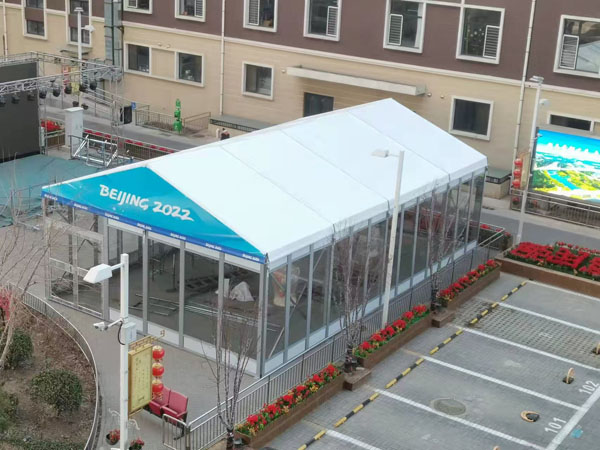
The fabric enclosure includes the roof covering and side wall panels. The roof fabric is the primary waterproof and sun-shielding layer, stretched tightly over the frame to keep surface tension and avoid sagging. Side panels can be fully installed, partially opened or completely removed according to on-site needs. Some side sections can be made into roll-up curtains or zippered access doors for flexible passage and airflow control.
The fabric material is processed to gain water resistance and dirt-repellent properties. Reinforcement strips are sewn at edges and stress points to prevent tearing under tension. Fastening accessories connect fabric edges to the frame, ensuring the covering stays secured under normal outdoor conditions. Different levels of light transmission can be chosen for fabric, creating either shaded dim interiors or soft diffused lighting inside the tent.
A complete festival tent solution contains a set of auxiliary supporting systems to enrich functionality. Ground fixing systems secure the whole tent to the site, with fixing methods adjusted based on different ground surfaces. Ventilation accessories include roof vents and side mesh panels to circulate indoor air.
Power and lighting accessories can be mounted on reserved frame positions to supply basic illumination. Signage rails, internal partition curtains and cable management fixtures are also common add-ons. For catering or service zones, supplementary internal railing systems can be arranged to guide visitor movement. All auxiliary parts follow the modular logic and can be added or removed independently without modifying the main frame.
Installation follows a standard sequential workflow. The site is first levelled and marked out according to layout drawings. Frame components are assembled section by section on the ground before being lifted and fixed in position. Roof fabric is spread and tensioned, followed by side wall installation and ground anchoring work. The whole process relies on matched hand tools, and installation teams carry out inspections of joints, fabric tension and fixing points before handover.
After-sales support covers technical guidance for repeated disassembly and reassembly. Service providers supply instructions for routine cleaning and fabric maintenance, advising on proper storage methods for frames and fabrics when not in use. If components suffer damage after long-term use, matching spare parts can be supplied for replacement. Technical consultation is available for users who intend to rearrange tent combinations or adjust layouts for new activity sites. Regular use guidance helps extend the service life of the entire festival tent system.
Expo Tent is a marquee manufacturer from china, marquee tents have become indispensable temporary shelter solutions for various outdoor activities, featuring diverse types, flexible customization, and outstanding practical advantages. Fully customizable to meet personalized demands, these tents support adjustable sizes, diverse color schemes, printed brand logos, and matched functional accessories like transparent windows, insulated linings, and waterproof sidewalls, perfectly adapting to weddings, trade shows, sports events, and corporate gatherings. Beyond flexible design, they boast remarkable strengths: premium waterproof, UV-resistant and flame-retardant materials ensure stable performance in changing weather, while lightweight aluminum frames enable quick assembly, disassembly and convenient transportation. With spacious unobstructed interior, excellent durability and cost-effectiveness, marquee tent delivers reliable, flexible and economical temporary space solutions for both commercial and personal outdoor scenarios.