
 Global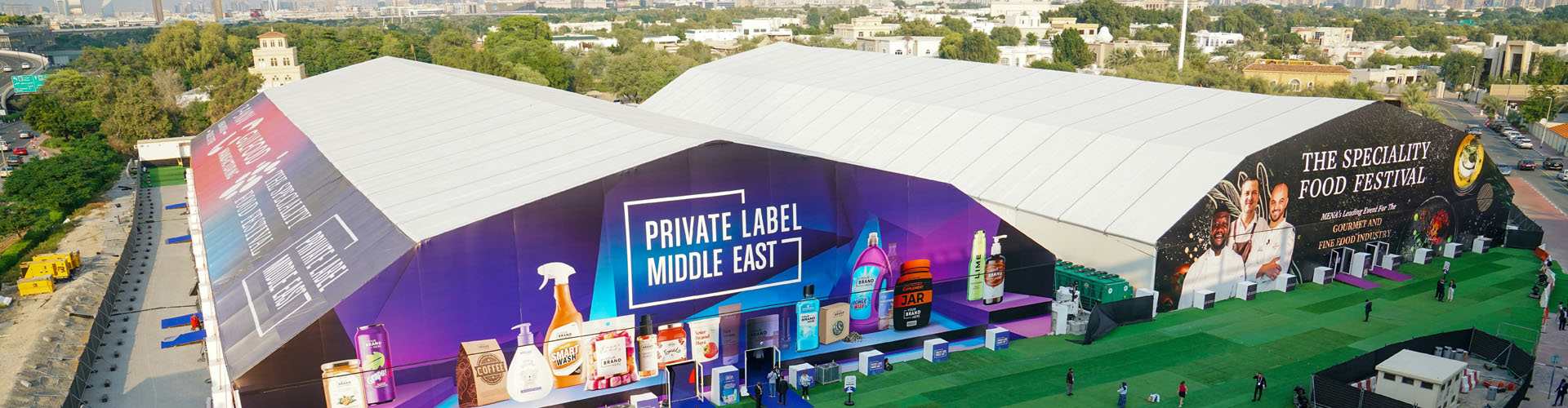
Industrial tents are versatile, modular temporary structures tailored for modern industrial operational needs. Featuring durable materials and flexible layouts, they serve storage, workshop and outdoor operation scenarios, offering cost-effective, quick-to-deploy space solutions superior to traditional fixed buildings.
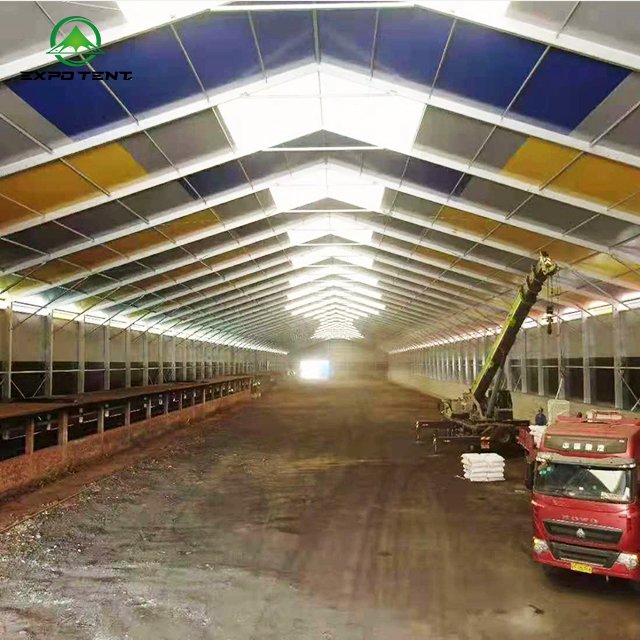
Industrial tents have emerged as a pivotal spatial solution for diverse industrial sectors, breaking the limitations of conventional brick-and-steel buildings with their unique modular design and adaptive performance. Unlike permanent construction facilities that require lengthy construction cycles and rigid site transformation, these tent structures can be assembled and disassembled efficiently on various flat ground surfaces, eliminating the need for complex foundation engineering. This core advantage enables industrial enterprises to quickly expand usable space in response to sudden production peaks, seasonal inventory surges, or short-term project demands. The overall structural design abandons redundant internal support columns in most models, creating a full clear-span interior space that maximizes the utilization of every square meter of the covered area. Whether for stacking bulk industrial materials, parking large mechanical equipment, or arranging temporary production lines, the unobstructed interior environment allows for free movement of staff, forklifts and transport vehicles, greatly optimizing daily operational efficiency.
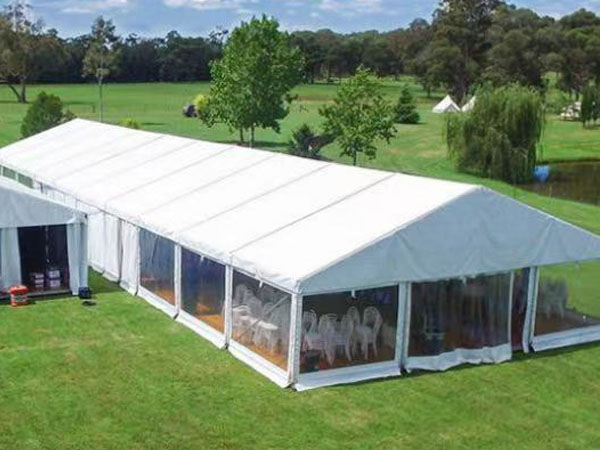
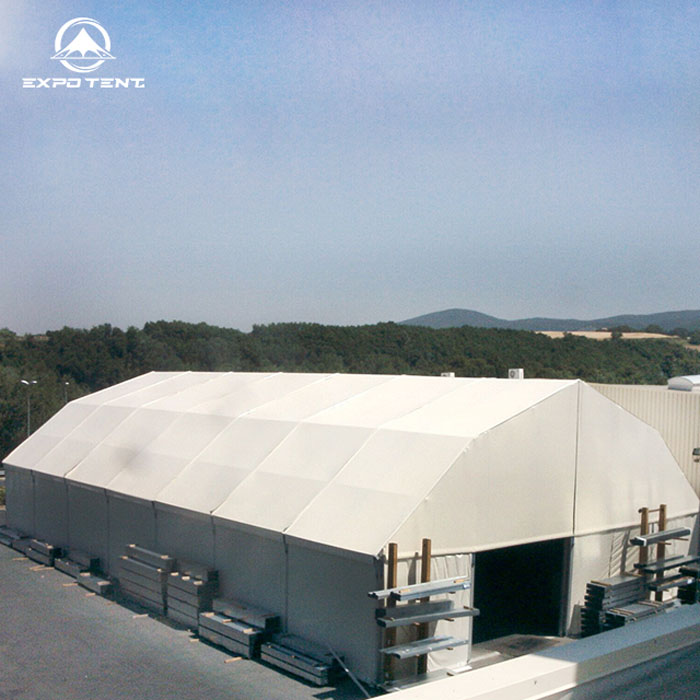
The material configuration of modern industrial tents is carefully optimized to adapt to harsh outdoor and industrial environments, ensuring long-term stable operation in complex conditions. The main supporting frames are mostly made of high-strength alloy materials with excellent anti-rust, anti-corrosion and deformation-resistant properties, which can resist structural damage caused by long-term wind exposure, moisture erosion and temperature changes. The outer covering fabric adopts thickened functional membrane materials that integrate multiple protective performances, including waterproof, ultraviolet resistance, mildew resistance and tear resistance. This specialized fabric can effectively block rainwater penetration and intense solar radiation, preventing stored goods and internal equipment from being damaged by weather factors. Additionally, the fabric features good thermal insulation and heat resistance, moderating internal temperature fluctuations to create a relatively stable internal environment suitable for material storage and manual operation throughout different seasons.
Flexibility in application and layout adjustment is one of the most prominent strengths of industrial tents, making them adaptable to ever-changing industrial operational requirements. These tents support flexible expansion and shrinkage in terms of coverage area and spatial specification, allowing enterprises to adjust the tent scale according to actual production and storage demands without wasting idle resources. For enterprises with frequent project site transfers or mobile operational needs, the detachable modular structure can be completely disassembled, transported and reassembled at new sites, realizing repeated cyclic use and greatly improving resource utilization. Meanwhile, the structural design allows for flexible installation of auxiliary facilities such as closed side walls, rolling doors, ventilation windows and lighting systems. Fully enclosed layouts can form independent closed spaces for storing precision parts and valuables, while semi-open designs suit outdoor processing, sorting and loading operations.
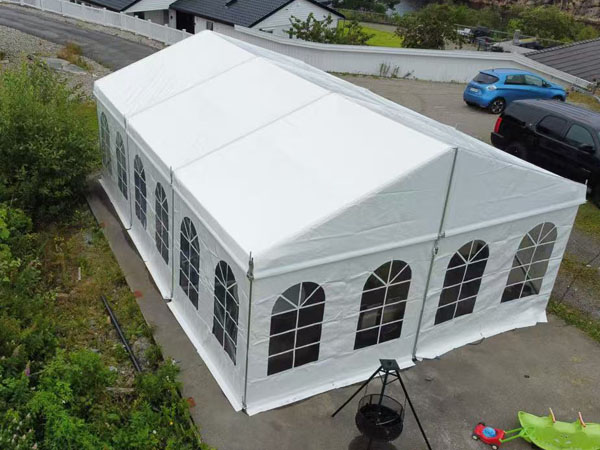
In terms of practical industrial application scenarios, industrial tents cover a wide range of production and logistics links, becoming an indispensable auxiliary facility for industrial operation. In the logistics and warehousing industry, they are widely used as temporary material warehouses and transit storage yards, effectively solving the problem of insufficient fixed warehouse space during peak shipping seasons. In the manufacturing sector, the tents can serve as temporary outdoor workshops, product inspection areas and equipment maintenance stations, providing sheltered operational spaces for off-site production and after-sales service work. Construction and engineering industries also frequently adopt industrial tents to build temporary material storage sheds and staff rest areas on construction sites, protecting engineering materials from weather damage and ensuring orderly on-site construction progress. Their multi-scenario adaptability makes them applicable to light industry, heavy industry, logistics, engineering and many other fields.
Compared with traditional fixed industrial buildings, industrial tents present outstanding comprehensive economic and operational advantages in industrial layout planning. Traditional factory buildings and warehouses require large upfront investment, long construction cycles and fixed spatial patterns, which cannot be adjusted flexibly with market and operational changes. In contrast, industrial tents avoid high foundation and construction costs, and their short deployment cycle allows enterprises to put new spatial facilities into use in a short time, quickly responding to market changes and operational adjustments. Moreover, the lightweight structure does not cause permanent damage to the site ground, making them suitable for temporary land use scenarios and compliant with flexible industrial land planning. For small and medium-sized enterprises or projects with uncertain operation cycles, industrial tents effectively reduce operational risks and capital pressure caused by blind fixed asset investment.
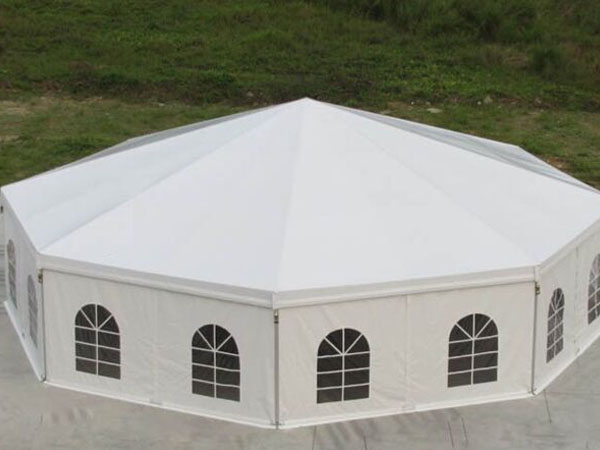
The safety performance of industrial tents is fully guaranteed through scientific structural design and high-quality material selection, meeting the basic safety requirements of industrial production and storage. The overall frame structure undergoes rigorous mechanical optimization to maintain stable structural performance under strong wind, heavy rain and other severe weather conditions, avoiding structural shaking or collapse. The functional covering materials have good flame-retardant performance, which can effectively inhibit the spread of open fire and reduce fire risks in industrial storage and production environments. In addition, the reserved ventilation and drainage designs further enhance the safety of internal operation. The reasonable ventilation structure avoids excessive humidity and air stagnation inside the tent, preventing mildew growth on materials and equipment, while the integrated drainage system ensures timely discharge of rainwater, avoiding water accumulation and potential safety hazards caused by long-term water immersion.
The maintenance and daily management of industrial tents are extremely convenient, which greatly reduces the long-term operational maintenance cost for enterprises. The smooth surface of the outer membrane fabric has excellent dust-proof and anti-fouling properties, and daily cleaning only requires simple water flushing and wiping to maintain a clean and tidy internal and external environment. The alloy frame has stable chemical properties, not easy to rust and age, and only needs regular simple inspection and anti-corrosion maintenance to maintain long-term structural stability. The modular assembly structure also facilitates partial component replacement; if individual parts are worn or damaged after long-term use, targeted replacement can be completed without overall disassembly, saving maintenance time and cost. The simple maintenance mode enables enterprises to focus more resources on core production and operation work.
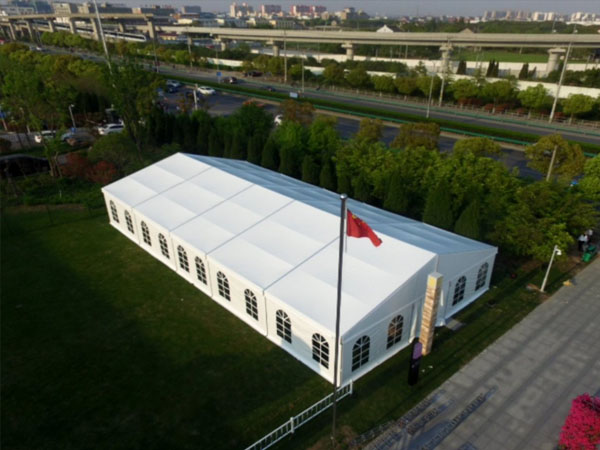
With the continuous upgrading of industrial operation modes, industrial tents are also evolving in structural design and functional configuration to meet higher-level industrial demands. Modern industrial tent designs pay more attention to humanization and operational refinement, with customizable internal height and spatial spacing to adapt to the storage and operation needs of large equipment and high stacked goods. More intelligent auxiliary configurations are gradually integrated, including natural lighting optimization design, silent ventilation systems and dust-proof sealing structures, which further improve the internal operational environment. At the same time, the lightweight and high-strength material upgrading further enhances the portability and durability of the tents, making them more suitable for long-term repeated use and complex extreme weather environments.
The environmental protection performance of industrial tents makes them conform to the current green industrial development concept, with low environmental impact throughout their service cycle. Unlike traditional building construction that generates a large amount of construction waste, dust and noise pollution, the assembly and disassembly process of industrial tents produces almost no construction waste, and all components can be recycled and reused. The selected membrane materials and frame materials are environmentally friendly and non-toxic, releasing no harmful substances during use and posing no impact on the on-site soil and air environment. After disassembly, the site can be quickly restored to its original state without leaving permanent construction traces, which is especially suitable for temporary industrial construction projects and environmentally restricted industrial zones, realizing the coordinated development of industrial operation and environmental protection.
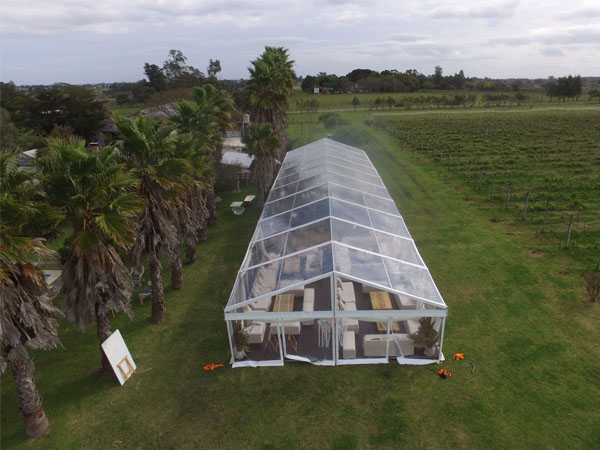
Looking at the future development trend of industrial auxiliary facilities, industrial tents will occupy an increasingly important position in flexible industrial spatial construction. As industrial production becomes more personalized, market demand more changeable and industrial layout more flexible, the rigid fixed building model can no longer fully adapt to the dynamic industrial development needs. The efficient, economical, flexible and environmentally friendly characteristics of industrial tents perfectly fit the development trend of modern industrial lightweight operation and flexible layout. With continuous technological iteration and structural optimization, industrial tents will achieve breakthroughs in safety performance, functional diversity and scenario adaptability, providing more comprehensive and professional spatial solutions for various industrial production, storage and operation links.
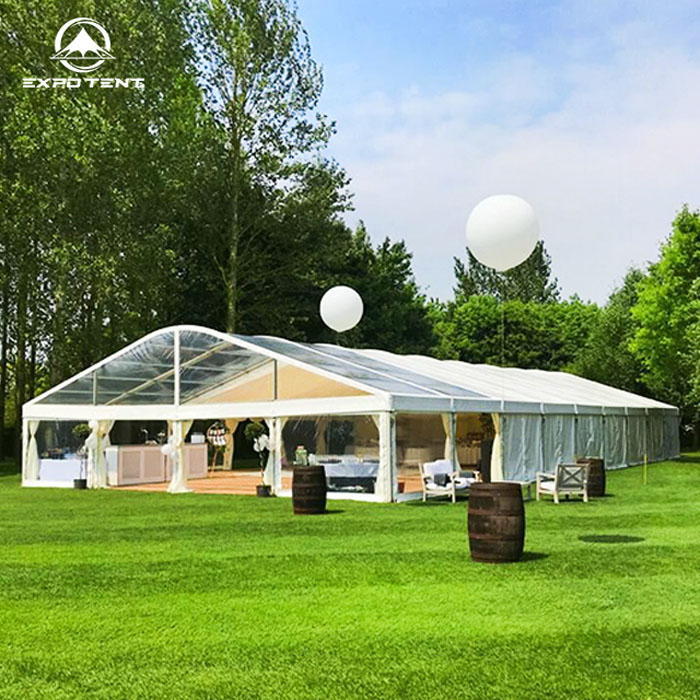
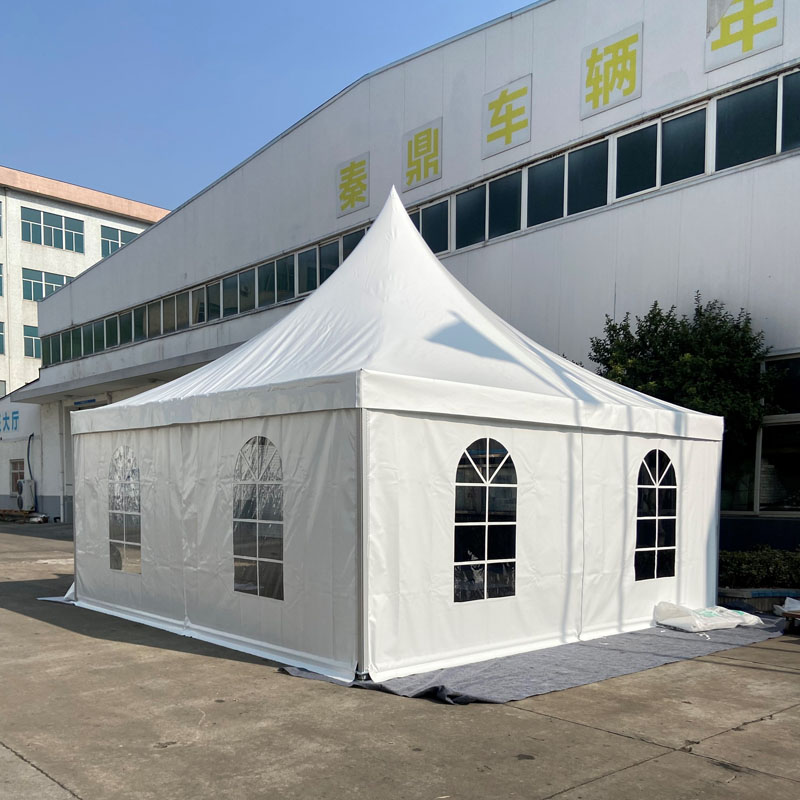
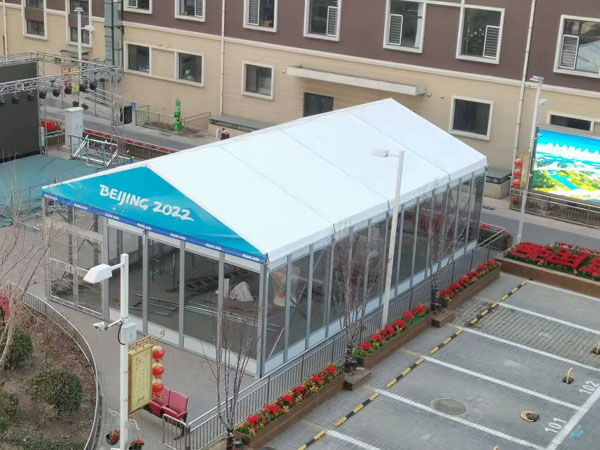
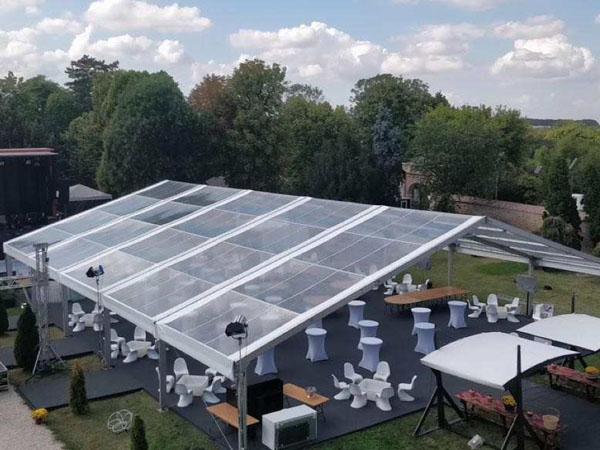
Expo Tent is a marquee manufacturer from china, marquee tents have become indispensable temporary shelter solutions for various outdoor activities, featuring diverse types, flexible customization, and outstanding practical advantages. Fully customizable to meet personalized demands, these tents support adjustable sizes, diverse color schemes, printed brand logos, and matched functional accessories like transparent windows, insulated linings, and waterproof sidewalls, perfectly adapting to weddings, trade shows, sports events, and corporate gatherings. Beyond flexible design, they boast remarkable strengths: premium waterproof, UV-resistant and flame-retardant materials ensure stable performance in changing weather, while lightweight aluminum frames enable quick assembly, disassembly and convenient transportation. With spacious unobstructed interior, excellent durability and cost-effectiveness, marquee tent delivers reliable, flexible and economical temporary space solutions for both commercial and personal outdoor scenarios.