
 Global
Marquee Tent Wedding custom outdoor wedding tents. Clear span, waterproof, durable aluminium frame for garden & countryside weddings.
A marquee tent wedding has become a favoured choice for couples seeking flexible, atmospheric celebration spaces beyond fixed indoor venues. It delivers a customisable blank canvas that adapts to different site landscapes, wedding scales and stylistic preferences, blending natural outdoor scenery with a sheltered, comfortable event zone. Unlike traditional venue halls, this form of wedding setting lets hosts shape nearly every visual and functional detail from layout to decoration, making it widely adopted for romantic, personalised wedding ceremonies and receptions.

Marquee tents designed for weddings are temporary, modular shelter structures built specifically for hosting nuptial events. They are erected on open ground such as lawns, farmlands, coastal plots and garden spaces, creating an enclosed or semi-enclosed wedding zone. The core appeal lies in its mobility and adaptability. Couples can hold their celebration at a meaningful outdoor location without being restricted by the capacity, layout or decoration limits of permanent buildings. The whole setup can be tailored to match intimate small weddings, grand banquets and combined ceremony-and-reception schedules, forming a soft, romantic backdrop for wedding photography, dining, dancing and guest gathering.
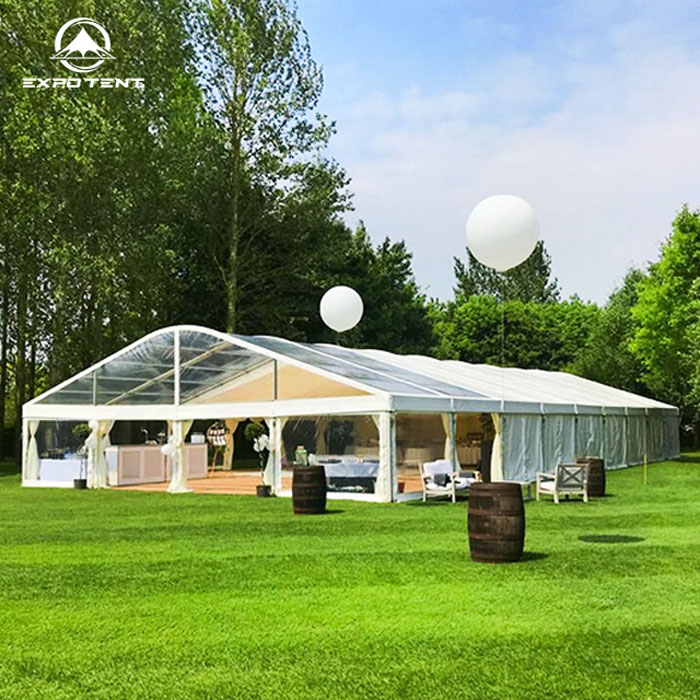
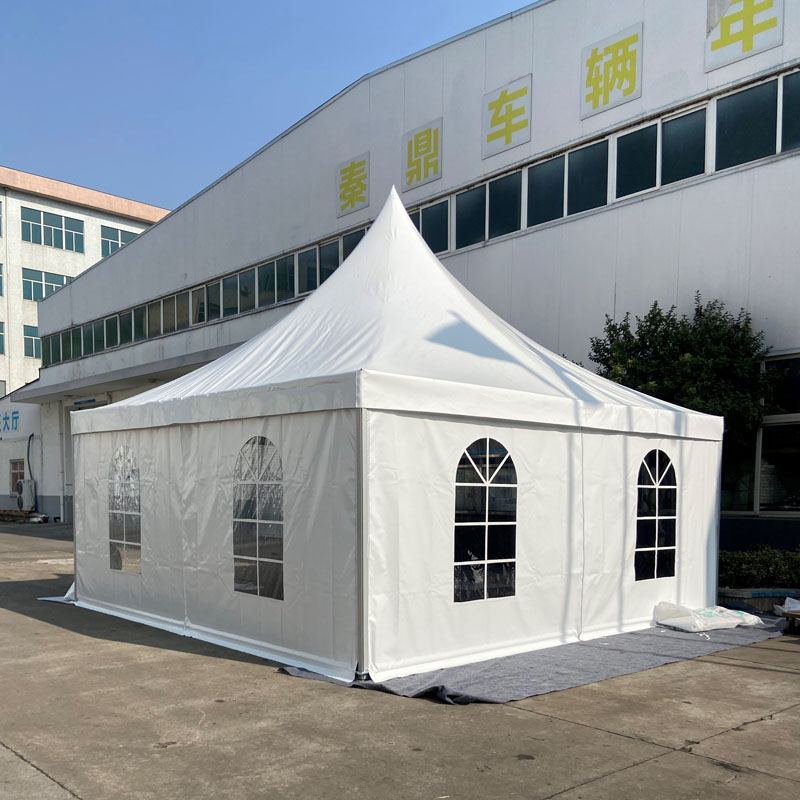
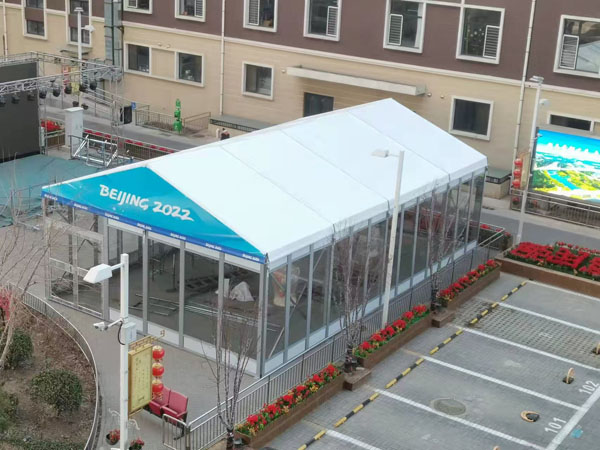
Wedding marquee tents can be grouped by several practical dimensions. By shape, common types include clear-span rectangular marquees, curved roof marquees, pagoda-style marquees and combined multi-unit marquee complexes. Rectangular clear-span models are the most prevalent, offering uninterrupted interior space free of intermediate support poles. Curved roof variants carry a gentler, more elegant silhouette and are often selected for high-end aesthetic-focused weddings. Pagoda marquees feature peaked roofs and are frequently used as separate welcome zones, cocktail lounges or entry awnings.
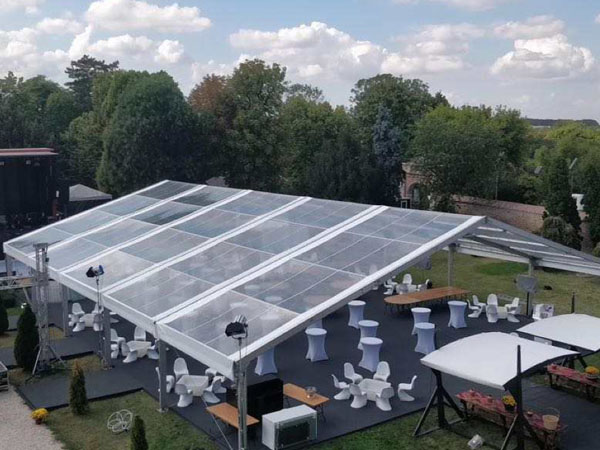
By functional partition, marquees fall into single-purpose and composite types. Single-purpose tents serve one core function such as the main dining hall or ceremony area. Composite marquee systems link multiple tent modules together to create connected zones: a welcome vestibule, ceremony space, dining area, bar lounge and rest preparation zone. They can also be sorted by transparency preference: fully fabric-enclosed marquees for privacy and temperature control, and partial or full clear-vinyl marquees that maximise views of the surrounding outdoor scenery.
The primary purpose of a wedding marquee tent is to provide a weather-resilient space for all stages of a wedding celebration. It can host the official wedding ceremony, where vows are exchanged in front of guests. It also works as the main reception area for seated banquets, buffet stations and cake-cutting moments. Additional common uses include pre-dinner cocktail areas, dance floors, live performance zones for bands or DJs, gift and greeting zones, and private bridal preparation rooms.
Beyond the main celebration, marquee spaces can accommodate guest rest areas, catering preparation zones and cloakrooms. When arranged with external passage canopies, they create covered walkways connecting different functional areas, protecting guests from sun, light rain or wind during movement. The flexible layout also supports post-wedding gatherings and evening fireworks viewing by adjusting opening sides and sightlines.
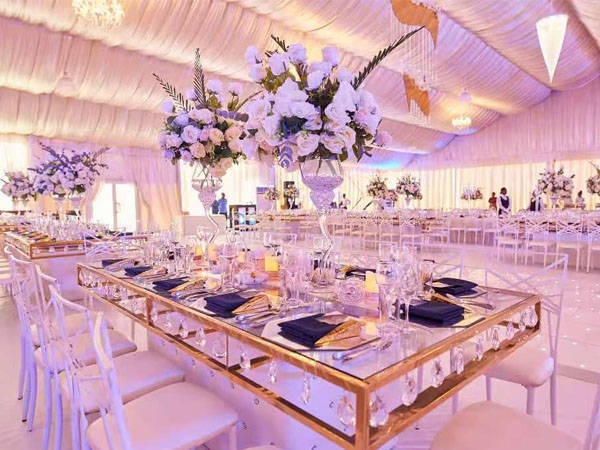
One defining feature of wedding marquee tents is the clear-span interior design in most main models. Without obstructive internal pillars, the space can be freely arranged with dining tables, stages, aisle decorations and seating layouts. They possess strong scene plasticity, acting as a neutral foundation for diverse wedding themes, from minimalist rustic and bohemian styles to luxurious formal celebrations. Lighting, florals, drapery and signage can all be installed onto the tent framework.
These tents are portable and reusable. Once an event concludes, the whole system can be disassembled, packed and transported for future use. They demonstrate good environmental adaptability, able to operate in mild to moderate weather conditions with supplementary climate equipment. Another notable feature is adjustable openness: side panels can be fully closed for warmth and privacy, partially rolled up for ventilation, or completely removed to merge the indoor wedding space seamlessly with the outdoor landscape.
The main frame forms the load-bearing skeleton of the marquee tent. It is assembled from extruded alloy profiles, manufactured into standardised beams, upright posts, ridge components and corner connectors. All components adopt modular specifications, which means individual parts are interchangeable and easy to assemble on site.
The frame transfers external loads such as wind and roof covering weight down to ground anchoring points. Connection joints are fitted with locking fittings to maintain structural stability once fully assembled. Clear-span marquees rely on arched or truss-style roof beams to span wide widths, removing the need for central vertical supports. Frames are finished with protective surface treatment to resist surface oxidation and scratches during storage, transport and repeated erection. The whole frame system is designed for quick assembly without permanent construction work on the land.
The roof and side enclosure materials form the weatherproof shell of the marquee. Standard fabric membrane material has water-repellent and UV-resistant properties, blocking rainfall and reducing direct solar radiation inside the tent. The roof membrane is stretched tightly over the top of the frame to prevent water pooling.
Side enclosures are supplied in separate panel units. Solid fabric panels provide full privacy and thermal retention, while transparent vinyl panels preserve outward views. Some optional soft sheer fabric panels can be layered over the exterior or interior for decorative draping effects, softening the hard lines of the metal frame. All membrane panels attach to the frame via integrated fastening strips or zippers, allowing individual panels to be detached or reinstalled separately. Seams between panels are treated to minimise water penetration under normal rainfall.
A complete wedding marquee setup relies on a range of matching auxiliary systems to improve guest comfort and event functionality. Climate control accessories include heating units for cool seasons and ventilation or cooling equipment for hot weather, helping stabilise the internal temperature. Lighting systems cover overhead main lighting, string lights, spotlights and decorative light strips that can be mounted onto the frame to build romantic ambient lighting for evening weddings.
Flooring systems are widely used for uneven lawn or field sites, including modular raised floor panels that create a flat walking surface and protect the original ground surface. Other supporting items include internal drapery, entrance doors, cable management covers, barrier posts, and built-in fixtures for suspending florals and decorative installations. Drainage accessories are arranged along roof edges to guide rainwater away from the tent perimeter. For larger weddings, temporary power distribution systems are arranged safely to supply catering equipment, sound devices and lighting.
Installation starts with site assessment before delivery. Crews check ground conditions, space boundaries and access routes to confirm anchoring methods. All frame, membrane and accessory components are delivered to the site in packaged sets sorted by assembly sequence.
The erection sequence begins with marking out the tent footprint and setting up ground anchors or weighted base supports according to site conditions. The main vertical posts and roof beams are then connected to build the complete skeleton frame. After frame inspection, the roof membrane is laid, stretched and secured. Side enclosure panels are hung and zipped into place afterwards. Flooring, lighting, internal decorations and auxiliary facilities are installed once the tent shell is stable. A full inspection of connections, tension of fabric, anchoring points and electrical safety is carried out before handover for the wedding.
When the wedding ends, the process reverses. Decorations and auxiliary systems are dismantled first, followed by side panels and roof fabric. The metal frame is taken apart piece by piece, cleaned, inspected and packed for storage or transport. No permanent structural residue remains on the site after full removal.
Support services cover guidance throughout the whole usage cycle. Pre-event consultation includes layout planning, matching auxiliary scheme advice and site preparation tips. During installation, technical teams carry out on-site checks to confirm the marquee meets the planned layout and stability requirements.
For issues arising before or during the event, responsive troubleshooting support is available to handle fabric, fitting or accessory problems. After disassembly, component inspection services help identify worn or damaged parts. Replacement guidance for consumable parts such as fasteners, zipper strips and fabric sections is provided. Long-term guidance includes correct cleaning, drying and storage instructions for frames and membranes, which helps extend the service life of the whole marquee system and maintain consistent performance for future wedding or event use.
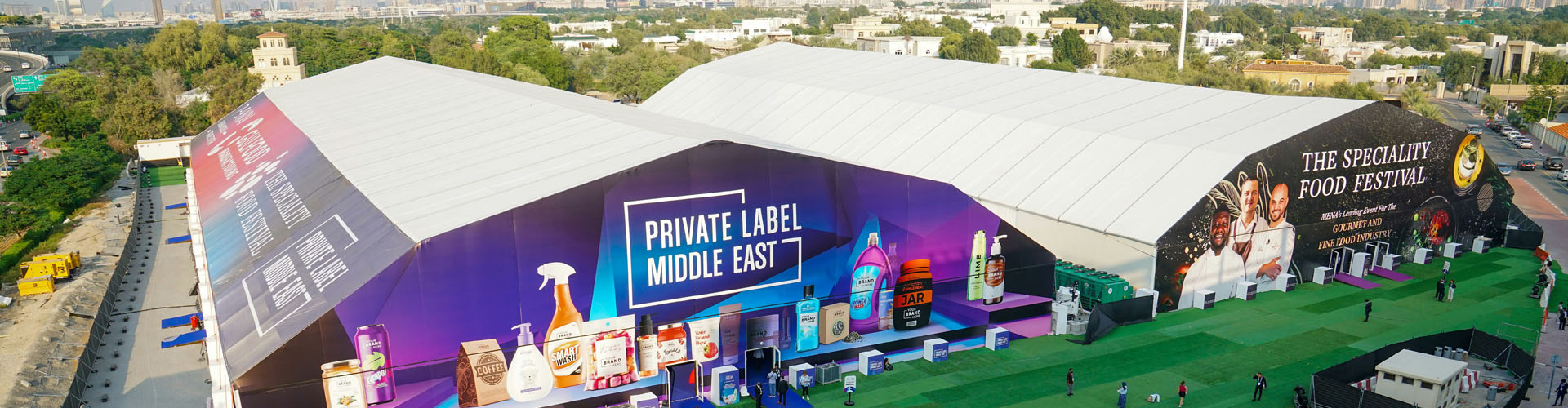
Expo Tent is a marquee manufacturer from china, marquee tents have become indispensable temporary shelter solutions for various outdoor activities, featuring diverse types, flexible customization, and outstanding practical advantages. Fully customizable to meet personalized demands, these tents support adjustable sizes, diverse color schemes, printed brand logos, and matched functional accessories like transparent windows, insulated linings, and waterproof sidewalls, perfectly adapting to weddings, trade shows, sports events, and corporate gatherings. Beyond flexible design, they boast remarkable strengths: premium waterproof, UV-resistant and flame-retardant materials ensure stable performance in changing weather, while lightweight aluminum frames enable quick assembly, disassembly and convenient transportation. With spacious unobstructed interior, excellent durability and cost-effectiveness, marquee tent delivers reliable, flexible and economical temporary space solutions for both commercial and personal outdoor scenarios.