
 Global
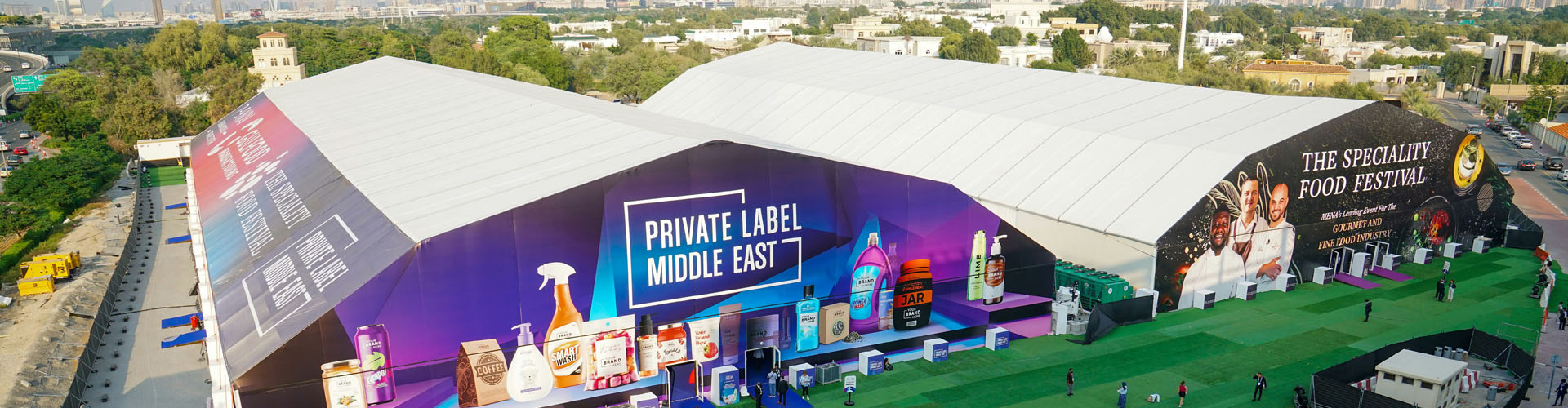
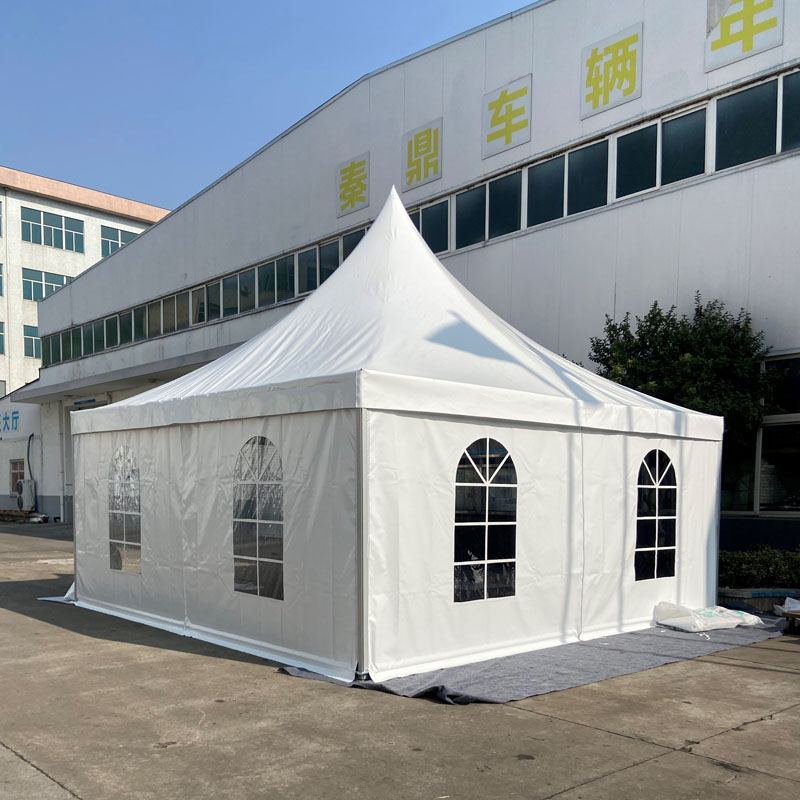
Pole Tent for weddings & outdoor events. Elegant high peak, waterproof heavy-duty PVC, spacious interior, fast setup. Custom sizes available for parties, festivals & corporate gatherings.
Pole tent is a classic type of temporary fabric shelter widely adopted for flexible outdoor coverage needs. It relies on supporting poles to hold up the fabric envelope and maintain the overall shape of the shelter. Compared with rigid building structures, it balances portability and usable space, making it a preferred option for many short-term and semi-permanent outdoor scenarios.
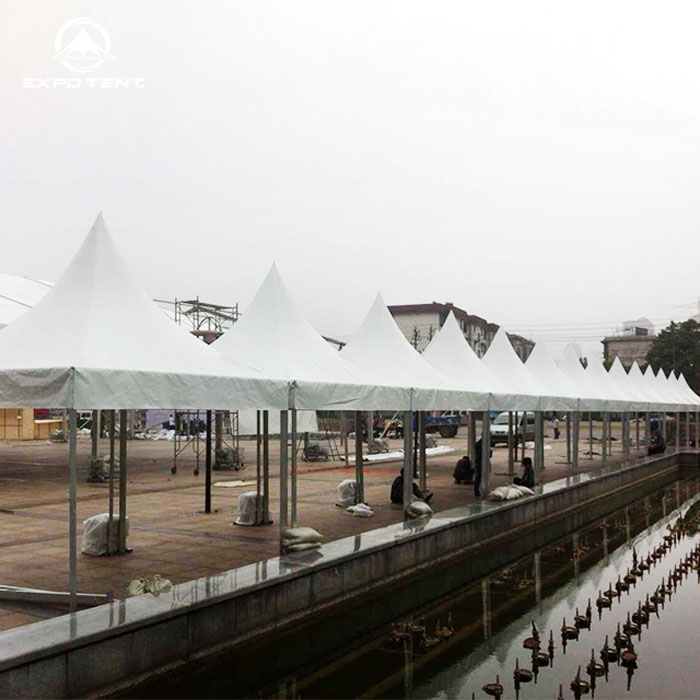
A pole tent is defined as a tensile fabric structure supported by vertical poles and anchored to the ground. Its basic working principle is to use tension in the canopy fabric together with the supporting force of poles to form a stable covered space. This form of tent has a long application history and evolves continuously with improvements in textile materials and connection hardware. Unlike frame tents built with interconnected metal frames, the load transfer path of a pole tent is concentrated on supporting poles and perimeter anchoring points. The overall silhouette usually features gentle curved roof surfaces, which helps shed rainwater and debris.
Pole tents can be grouped according to several practical dimensions. By footprint shape, common types include rectangular, square and irregular custom-shaped pole tents. By roof layout, they are divided into single peak and multi-peak styles; multi-peak pole tents connect multiple roof units to expand continuous indoor area. In terms of usage cycle, they cover event-grade temporary pole tents and heavy-duty reinforced pole tents for extended setup. Classification can also follow sealing configurations, distinguishing open-sided versions and fully enclosed tents with sidewall panels. Each category is designed to match different space sizes, durations of use and enclosure requirements.
Pole tents serve a broad range of outdoor activities. They are frequently arranged for outdoor celebrations, market stalls and pop-up gathering spaces, offering shaded and rainproof zones for participants. They can act as temporary catering areas, lounging zones and display spaces for outdoor exhibitions. In field environments, pole tents function as temporary work shelters and material storage covers. They are also used for outdoor recreation to create comfortable gathering areas. Thanks to the quick assembly feature, they can be deployed rapidly when extra covered space is needed and dismantled conveniently once activities finish.
One prominent feature of the pole tent is its soft curved roof appearance, which delivers a distinctive visual effect different from angular framed shelters. The structure has good adaptability to flat ground surfaces. It can be configured flexibly, with side panels added or removed freely to switch between open and closed modes. The whole package after disassembly is compact for transport and storage. The tensile fabric surface has good water runoff performance when properly tensioned. It should be noted that proper anchoring and tension adjustment are critical; insufficient tension may lead to fabric sagging and water pooling on the roof.
The main structural system consists of supporting poles, top connection fittings and perimeter tensioning components. Supporting poles transfer the vertical load from the canopy down to the ground. Top fittings connect pole tops and fabric webbing loops, distributing pulling force evenly across the roof. Perimeter tension lines extend from fabric edges to ground anchors, creating the required tension to keep the roof stretched. All connecting hardware is designed to avoid sharp edges that could abrade the fabric. The arrangement density of poles is determined by the overall span and the expected load on the shelter. Every component in the structural system works cooperatively to maintain shape stability.
The fabric enclosure system includes the main roof canopy and detachable sidewall panels. The canopy is the core weather-resistant layer, manufactured from coated textile materials with resistance to water penetration and sunlight exposure. Reinforced webbing and seam binding are stitched along stress lines and connection points to prevent tearing under tension. Sidewall panels can be attached via zipper or clip connections. Some sidewall options include transparent sections for light transmission or mesh sections for ventilation. All fabric joints are sealed properly to reduce water seepage. The fabric can be cleaned and maintained with simple methods after use.
Multiple auxiliary systems improve the usability of pole tents. Lighting systems can be suspended safely inside the shelter to provide illumination for night use. Interior divider curtains are available to separate one large space into smaller independent zones. Floor mats or removable ground covering can be laid inside to improve comfort and protect the original ground surface. Guy line adjustment hardware allows operators to fine-tune fabric tension during and after installation. Additional accessories include entry curtains and internal hanging points for lightweight objects. These auxiliary parts are optional and can be selected based on actual scene demands.
Installation starts with site preparation to clear sharp objects and confirm a flat setup area. Anchoring points are positioned according to the layout plan, then anchors are secured into the ground. Poles are lifted and set in position, followed by spreading the canopy over pole tops and connecting all tension lines. Adjustment of guy lines is carried out step by step to achieve uniform fabric tension and smooth roof surface. After setup, a full inspection on connections, fabric condition and anchoring firmness is required. For after-service, routine inspection of fabric, poles and fittings is recommended before each reuse. Damaged fabric sections or worn hardware can be replaced separately. Guidance on proper storage, cleaning and disassembly is provided to extend the service life of the pole tent. Users are advised to inspect the shelter regularly during long-time deployment and perform tension re-adjustment when necessary.
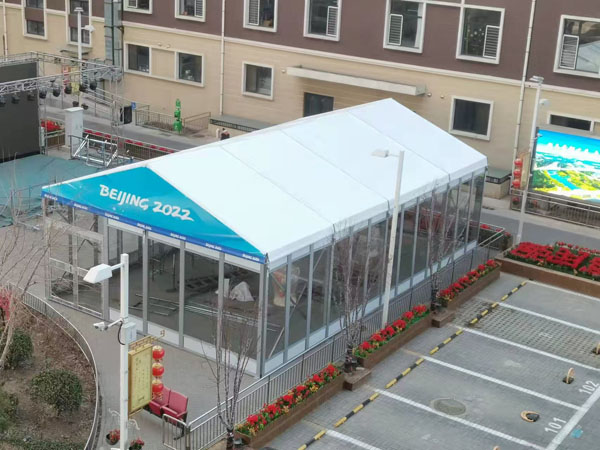
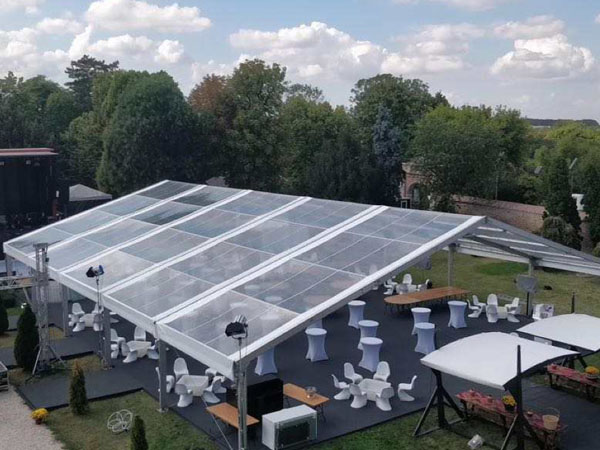
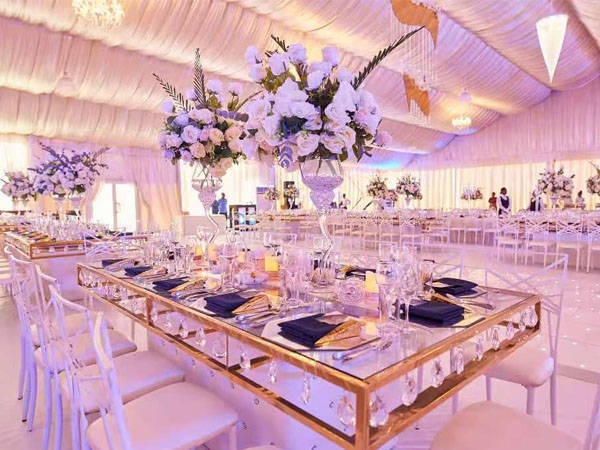
Expo Tent is a marquee manufacturer from china, marquee tents have become indispensable temporary shelter solutions for various outdoor activities, featuring diverse types, flexible customization, and outstanding practical advantages. Fully customizable to meet personalized demands, these tents support adjustable sizes, diverse color schemes, printed brand logos, and matched functional accessories like transparent windows, insulated linings, and waterproof sidewalls, perfectly adapting to weddings, trade shows, sports events, and corporate gatherings. Beyond flexible design, they boast remarkable strengths: premium waterproof, UV-resistant and flame-retardant materials ensure stable performance in changing weather, while lightweight aluminum frames enable quick assembly, disassembly and convenient transportation. With spacious unobstructed interior, excellent durability and cost-effectiveness, marquee tent delivers reliable, flexible and economical temporary space solutions for both commercial and personal outdoor scenarios.