
 Global
Shop durable Tent 4x4 for offroad camping. Waterproof, easy setup rooftop tent for 4WD, SUV & overland trips. Shop now & get fast shipping.
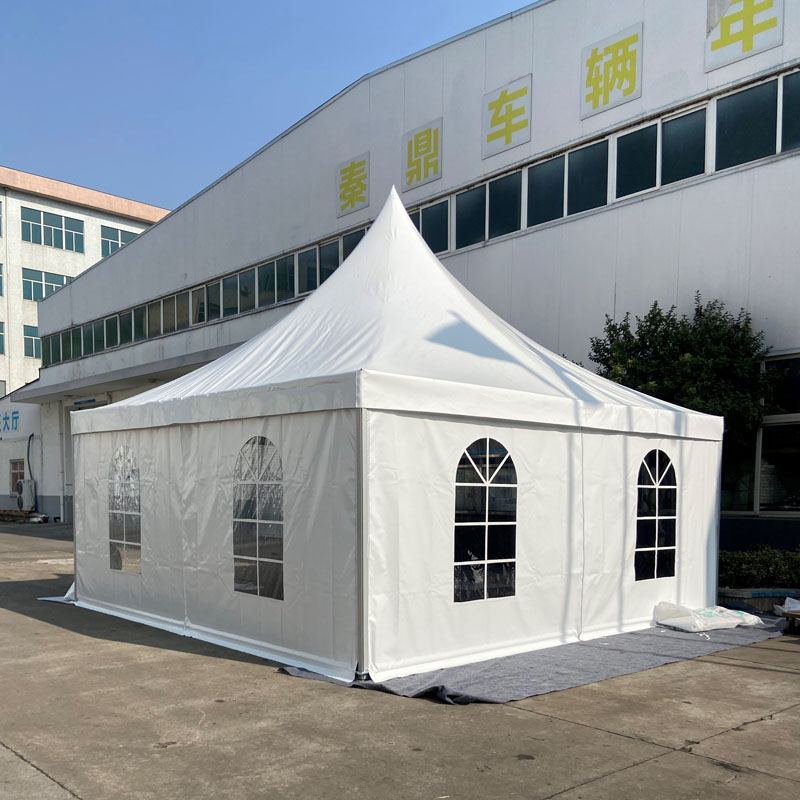
The 4x4 tent refers to a square shelter with matching length and width dimensions, designed as a versatile, freestanding temporary covering structure. It is engineered to deliver reliable covered space while maintaining a manageable footprint for transport and setup. This style of tent balances compact size with usable interior room, making it one of the widely adopted modular shelter formats across different informal and field scenarios. The following sections break down its core categories, application scenarios, functional features, structural composition, fabric enclosure, auxiliary supporting systems, installation workflow and after-service arrangements.

4x4 tents can be grouped based on frame materials and deployment modes. One common type is the pop-up variant, built for ultra-fast unfolding and quick stowage. Another category is the pole-assembled version, which uses separate connecting rods and requires sequential assembly. There are also reinforced heavy-duty models and lightweight portable editions. Lightweight versions prioritize low total weight and easy carrying for short-duration use. Reinforced types feature thicker frame components to withstand prolonged outdoor exposure and heavier external loads. Classification is also distinguished by enclosure options: fully closed shelters, half-sided screen designs and open canopy-only styles that leave sides uncovered.
The 4x4 tent serves a broad range of temporary coverage needs. It is frequently used as a small shade booth for outdoor events, providing shelter for stationary display areas and temporary service counters. It can act as a quick rest station for field activities, offering a protected space for people to take shelter from direct sunlight or light rain. This tent size also works well for temporary storage of small equipment and supplies, creating a bounded covered zone to keep items away from direct environmental contact. In recreational contexts, it functions as a supplementary gathering space beside main camping setups. It may also be arranged as a temporary screening or dividing unit to mark out independent zones within larger open sites.
The core trait of the 4x4 tent lies in its balanced square layout, which creates even interior space without awkward dead corners. Most designs support repeated disassembly and relocation, so the unit can be taken down and moved to new locations multiple times. Modular compatibility is another major feature; many designs allow side panels, window sections and add-on accessories to be fitted or removed according to real-time requirements. Good portable performance is typical for this shelter. When packed, it reduces into a compact bundle that fits inside ordinary carrying bags. The structure is built with stability considerations, and the square footprint helps distribute downward and lateral forces evenly across the base. Users can adjust ventilation and privacy flexibly by modifying side enclosures.
The main body structure forms the load-bearing skeleton of the tent. It consists of vertical support posts and horizontal cross beams that interlock to create a square frame. Joint connectors are fitted at every intersection point to lock poles together and prevent shifting during use. Some structures include diagonal bracing pieces to enhance rigidity and resist side force. The top frame forms the roof outline, which slopes slightly to encourage water runoff instead of letting water pool on the surface. The bottom ends of vertical posts are designed to connect with anchoring accessories. All frame components are separable, and each part maintains a simple shape to simplify handling. The skeleton carries tension from the outer fabric and transfers external pressure down to ground fixing points.
The canopy forms the top covering surface, and side enclosures are optional add-on components. The canopy fabric is stretched over the top frame and secured with built-in binding loops or fastener strips. Fabric materials are selected to resist ultraviolet exposure and repel light precipitation. Side curtains can be attached along the outer edge of the frame. Some side pieces include transparent view windows or mesh screens for airflow while blocking flying debris. Zippers or hook-and-loop fasteners are commonly used to open, close or fully detach side panels. Stitched seams are treated to reduce water penetration. The fabric is flexible enough to stretch tightly when mounted, yet remains foldable for packing. Tension adjustment points are distributed around the perimeter to keep the surface taut and avoid sagging.
A complete supporting system contains multiple auxiliary parts to improve usability and security. Ground anchoring accessories secure the tent to the ground and reduce the risk of shifting under wind. Weight bags are used on surfaces where ground stakes cannot be inserted. Guy lines provide extra lateral tension for enhanced stability. Carry bags are included to hold all disassembled frame parts and fabric. Additional accessories can include internal hanging straps for small object storage and replacement fasteners for worn connection points. Some sets contain spare fabric patches for minor surface repairs. These accessories are matched to the tent size and work together to extend the reliable service condition of the shelter.
Installation starts with site selection. Users need to choose a flat ground area and clear sharp objects that may damage fabric. The frame components are unpacked and sorted by type. The top frame is assembled first, followed by vertical support posts to stand up the skeleton. The canopy is laid over the finished frame and fastened gradually from the center outward to ensure even tension. Side enclosures are mounted next if they are required. Anchoring components are then installed and tensioned moderately. After assembly, users check all joints, fabric fastenings and anchoring points to confirm everything stays stable. Disassembly follows the reverse sequence: remove anchors first, take off side panels and canopy, then detach frame sections for packing. Proper installation sequence prevents overstretching the fabric and avoids frame deformation.
Regular inspection helps maintain the working state of the tent. After each use, fabric should be cleaned of dirt and fully dried before storage to avoid mold. Frame parts are checked for bending and surface abrasion. Fittings and fasteners are examined for looseness or breakage. Damaged small accessories can be replaced individually. When the tent is not in use, it should be stored in a dry, ventilated place and kept away from sharp objects and persistent high heat. Support services cover guidance for assembly troubleshooting and advice on routine maintenance. Guidance is also available for identifying replaceable components. Users are advised to stop using the tent once structural damage appears, to prevent safety risks during continued deployment. Proper maintenance extends the usable life of the 4x4 tent and keeps its performance consistent across repeated deployments.
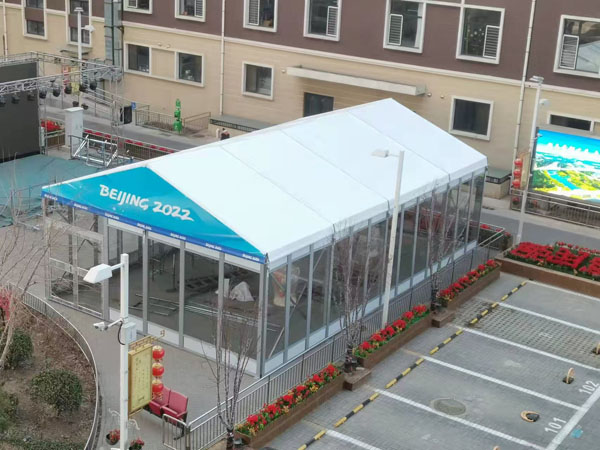
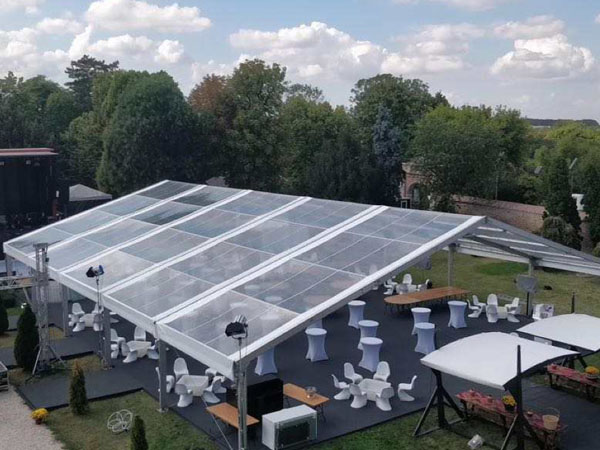
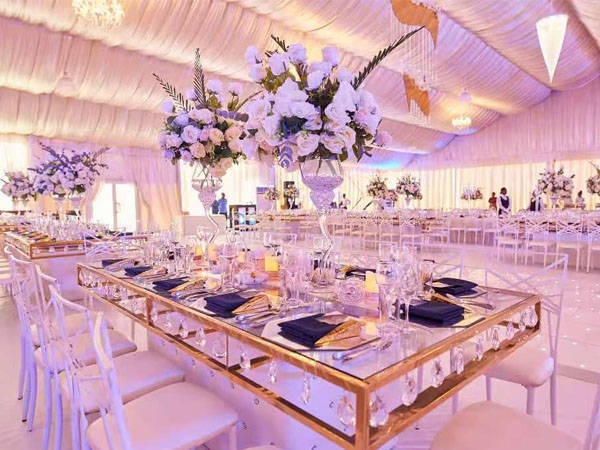
Expo Tent is a marquee manufacturer from china, marquee tents have become indispensable temporary shelter solutions for various outdoor activities, featuring diverse types, flexible customization, and outstanding practical advantages. Fully customizable to meet personalized demands, these tents support adjustable sizes, diverse color schemes, printed brand logos, and matched functional accessories like transparent windows, insulated linings, and waterproof sidewalls, perfectly adapting to weddings, trade shows, sports events, and corporate gatherings. Beyond flexible design, they boast remarkable strengths: premium waterproof, UV-resistant and flame-retardant materials ensure stable performance in changing weather, while lightweight aluminum frames enable quick assembly, disassembly and convenient transportation. With spacious unobstructed interior, excellent durability and cost-effectiveness, marquee tent delivers reliable, flexible and economical temporary space solutions for both commercial and personal outdoor scenarios.